
Last updated November 15, 2026
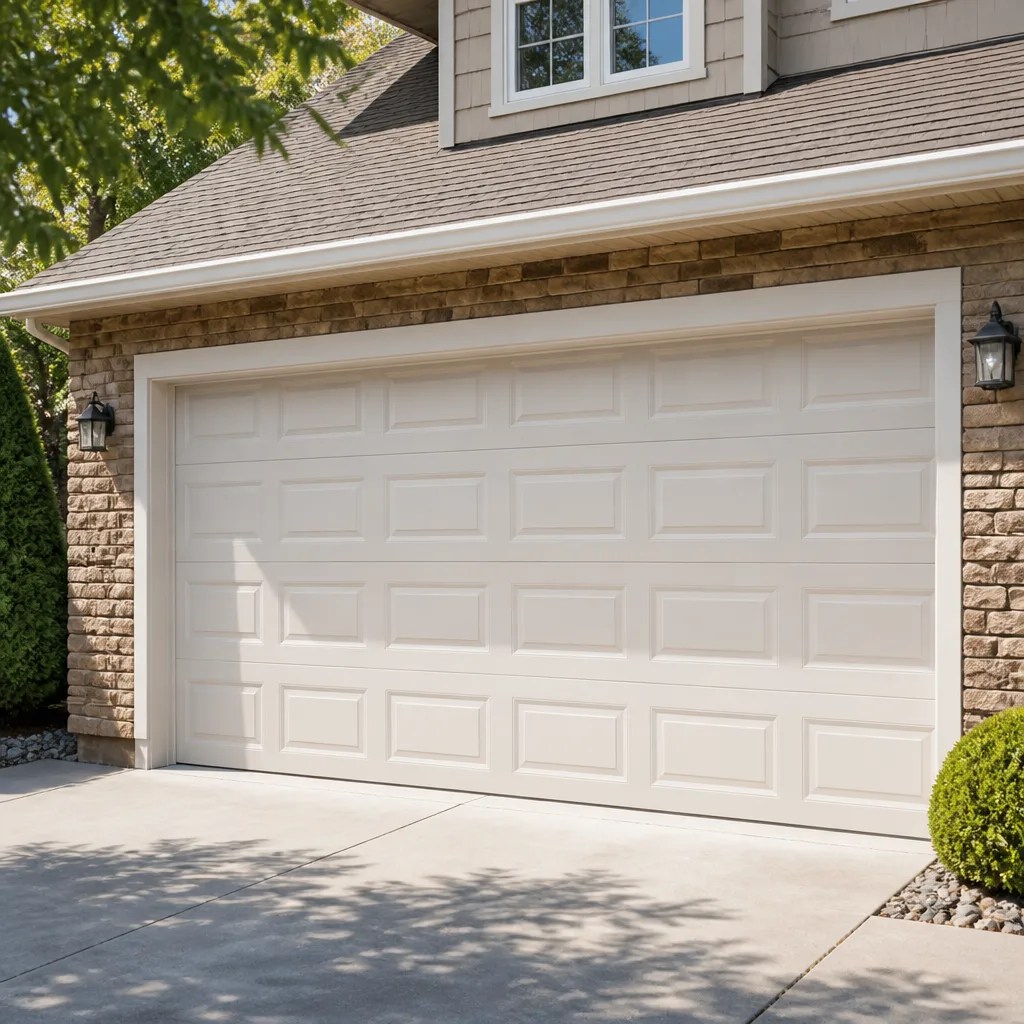 Raised-panel steel
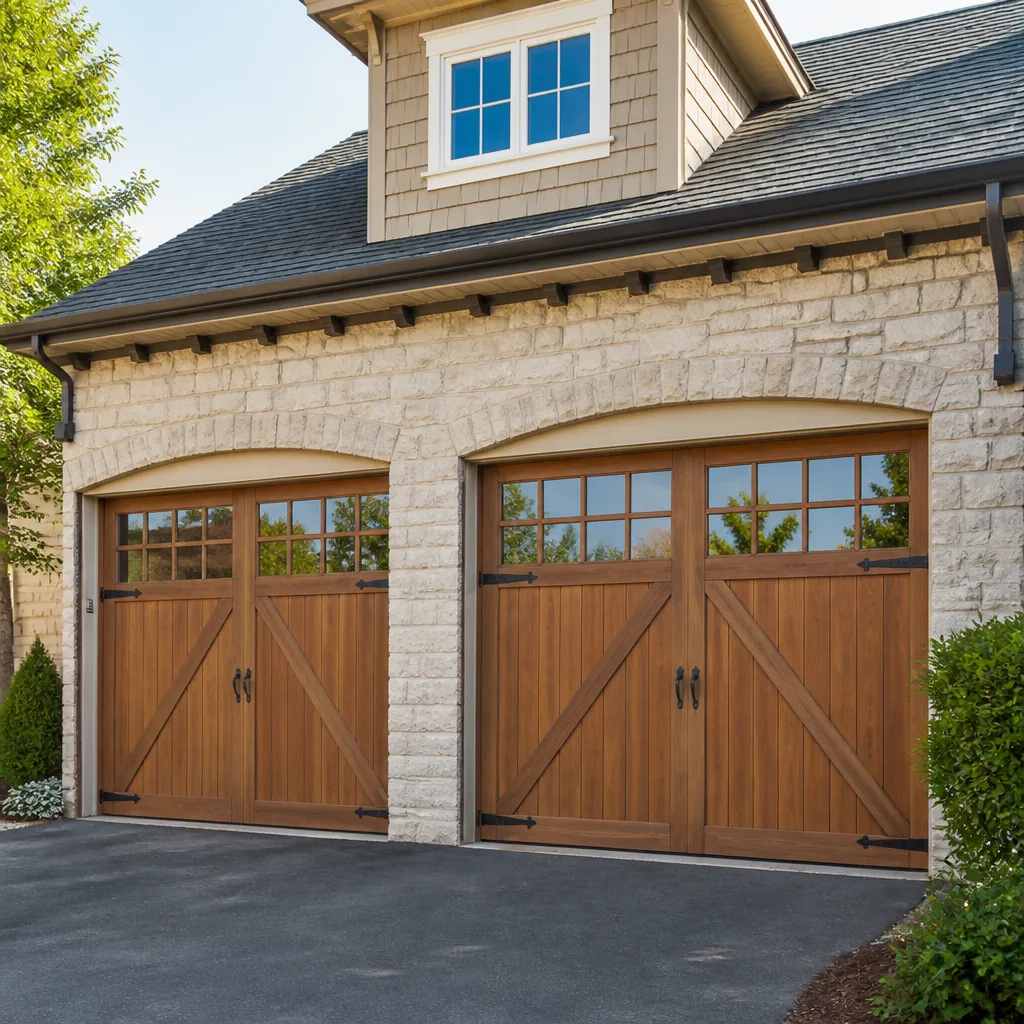 Carriage house
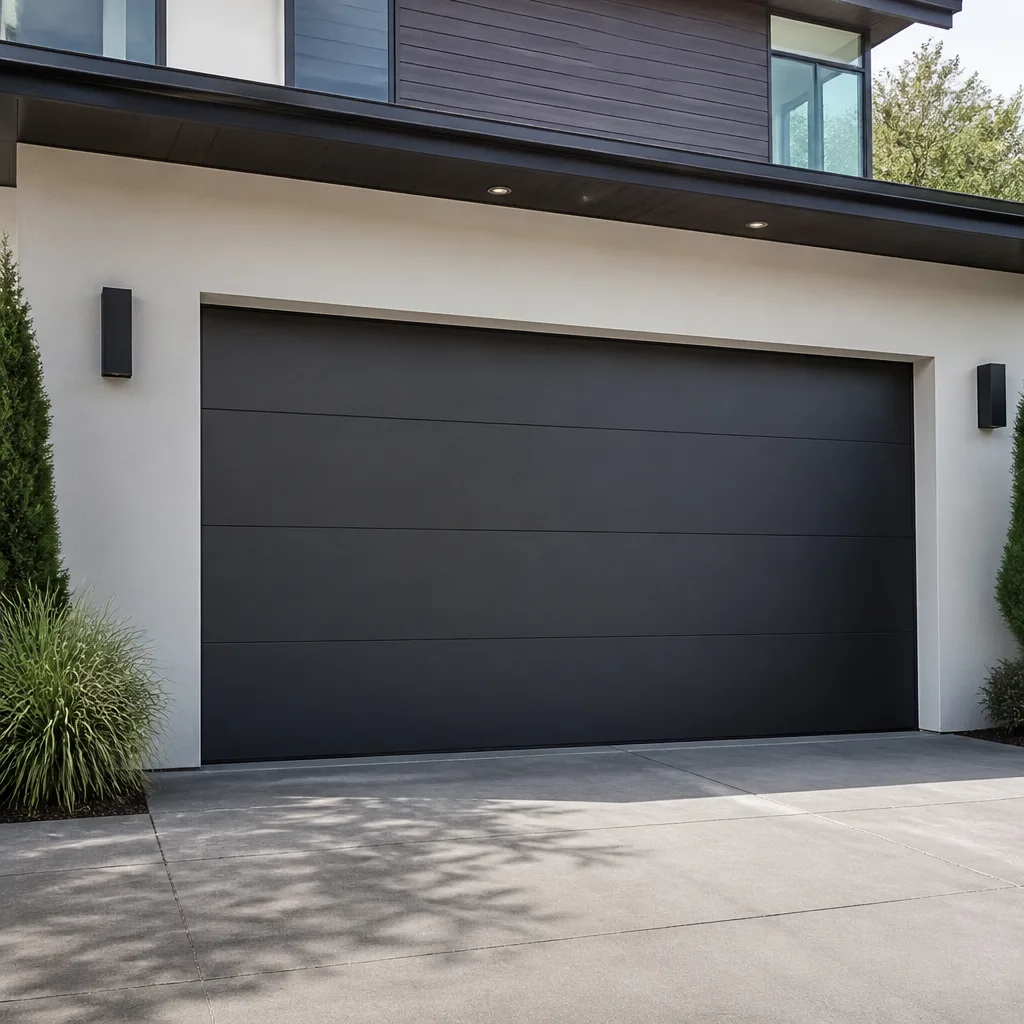 Modern flush
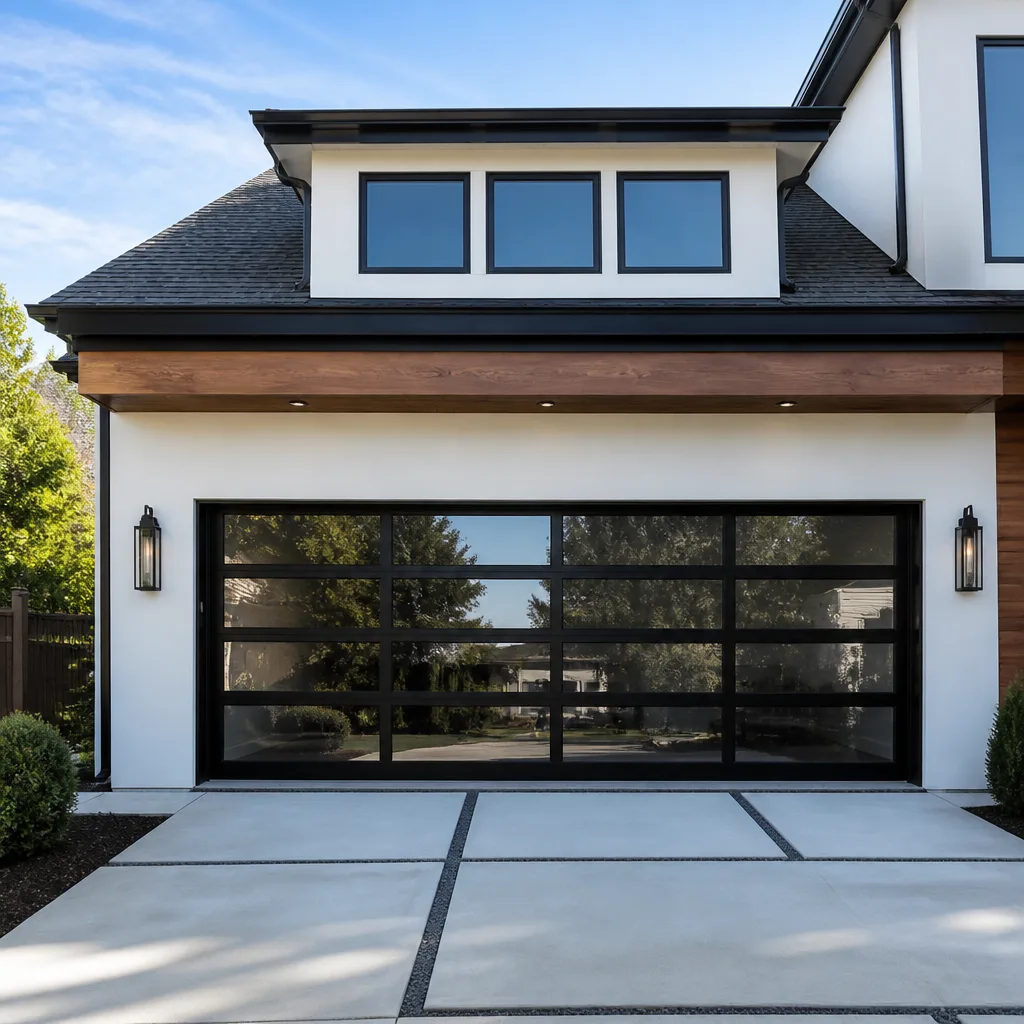 Full-view glass
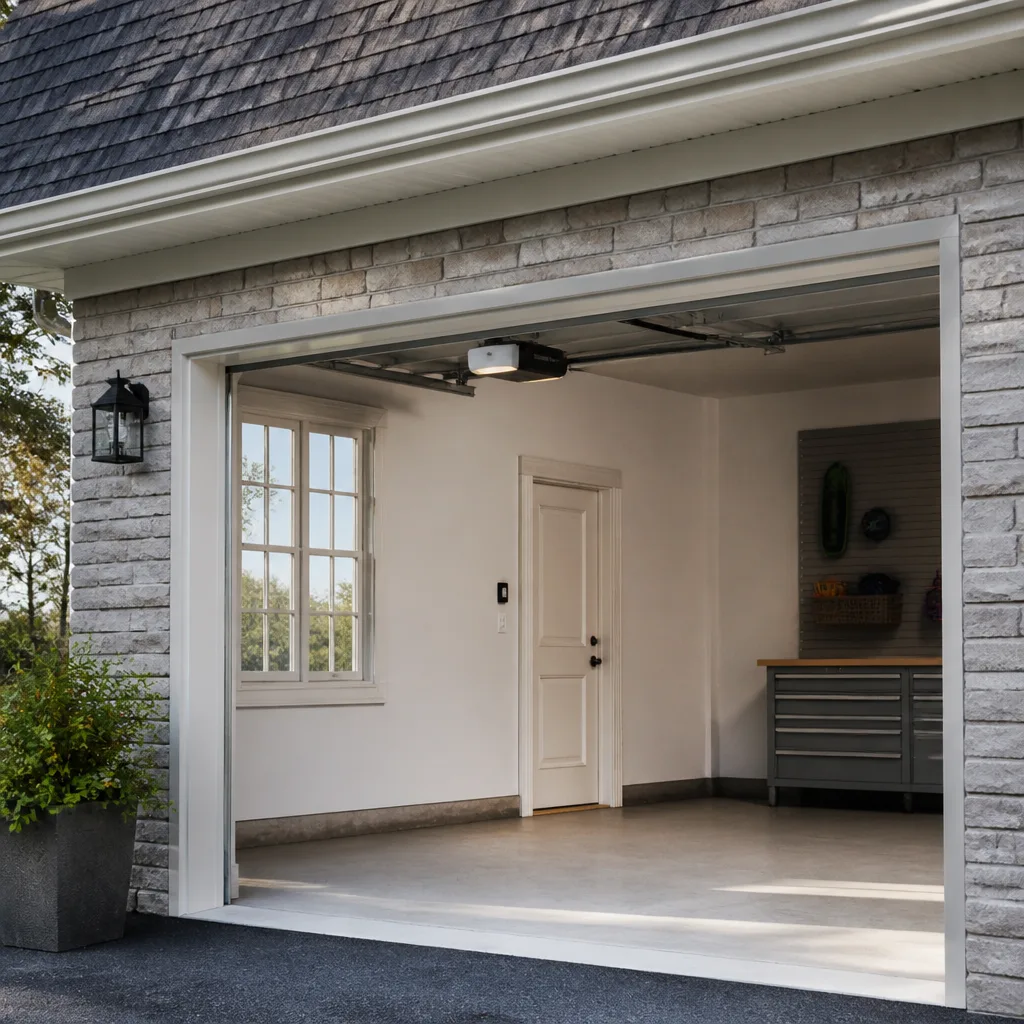 LiftMaster openers
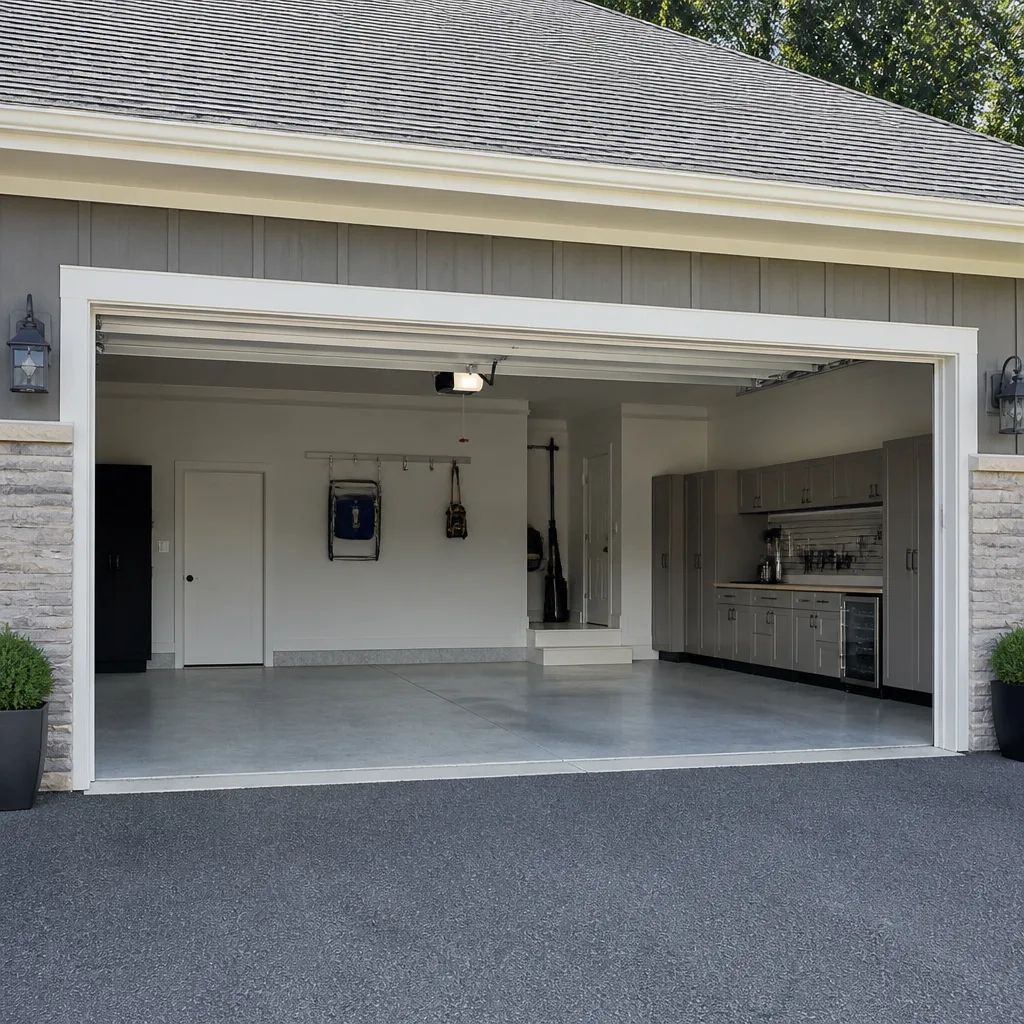 Chamberlain openers
Full 25-point door and opener safety check with every visit - springs, cables, rollers, tracks, and your LiftMaster or Chamberlain opener included
You get a price before we start. It does not change when the pro arrives.
Get your free estimateChoosing the Right Garage Door Brand: A Buyer’s Guide for Brockton
Most “best garage door brand” guides are written as if the door were the whole decision. It isn’t. The brand that performs best in your Brockton home depends heavily on two things the brochures never mention: what opener system is already hanging from your ceiling, and whether your installer can actually source parts for that brand in southeastern Massachusetts without waiting on a truck from halfway across the country. A premium door installed by someone who can’t get a replacement section or a torsion spring in a reasonable window is a worse choice than a mid-tier door backed by deep regional inventory. This guide walks you through how to evaluate brands by what matters on this side of Massachusetts: steel gauge, insulation core, warranty terms, opener compatibility, wind load rating, and real parts availability. By the end, you’ll know how to compare a Raynor quote against a Clopay one without getting lost in the marketing.
Quick Answer
The right garage door brand for a Brockton home is the one with available local parts support, an insulation core and steel gauge suited to cold winters, a wind load rating appropriate for the region’s storm exposure, and native compatibility with the opener you already own. For most homeowners, that means choosing among proven manufacturers like Clopay, Amarr, Raynor, and Wayne Dalton for the door, while LiftMaster, Chamberlain, and Genie dominate the opener side. The brand name matters less than the specification match and the quality of the installation behind it.
Styles & brands we work with
- Raised-panel steel
- Carriage house
- Modern flush
- Full-view glass
- LiftMaster openers
- Chamberlain openers
Table of Contents
- Why Brand Choice Matters More Than You Think in Brockton
- How to Evaluate Parts Availability in Southeastern Massachusetts
- Steel Gauge, Insulation Core, and Warranty: Cold-Climate Comparison
- Which Door Brands Work With Your Existing Opener
- Residential vs. Commercial-Grade Lines: When to Upgrade
- Using Wind Load Ratings in Brockton’s Storm Environment
- A Step-by-Step Framework for Comparing Brand Quotes
- Why Installation Quality Beats Brand Every Time
Why Brand Choice Matters More Than You Think in Brockton
Garage door brands are not interchangeable the way light bulbs are. Each manufacturer builds its doors to slightly different tolerances, uses its own hinge and roller profiles, and stocks a distinct catalog of replacement sections. When a door is damaged – a dented lower panel from a backed-out car, a bent track from a bump – the repair depends on whether the exact section is still in production and whether the local supply chain can reach it. This is where brand choice stops being a marketing question and becomes a practical one.
In Brockton, the housing stock runs across a wide spread of eras, from older triple-deckers with detached or under-house garages to newer subdivisions where attached two-car garages are standard. That means a single street can hold doors from four different manufacturers, installed across four different decades. We’ve worked on all of them. The brands we see most in this area – Raynor, Clopay, Amarr, Wayne Dalton, and Chamberlain-powered doors – are the ones with the deepest aftermarket support. When we work on a door from one of those manufacturers, replacement parts are usually reachable quickly. When we work on an orphan brand, the homeowner may wait weeks for a custom-ordered section.
The point isn’t to scare you away from smaller manufacturers. It’s to make sure you ask the question that actually determines long-term cost: can this brand’s parts be sourced locally, and how fast? A brand that advertises aggressively but has no regional dealer network in New England is a liability for a Brockton homeowner. A quieter brand with parts already sitting in a Massachusetts warehouse is an asset. Our garage door repair work is built around that reality, which is why we track which brands move through the local supply chain and which don’t.
How to Evaluate Parts Availability in Southeastern Massachusetts
Parts availability is the single most under-discussed factor in door brand selection. The way to check it is not to read the manufacturer’s website – it’s to ask your installer directly. Here’s how to run the evaluation yourself.
- Ask where the nearest stocking distributor is. If the answer is vague, that’s your answer. A brand with a distributor in Massachusetts or Rhode Island can typically get a replacement panel or spring to a Brockton job within a short window. A brand with no regional presence means every part is a special order.
- Ask about discontinued section models. Every manufacturer discontinues door styles periodically. Ask how long the brand typically supports a model after it leaves the catalog. Some brands maintain replacement panels for years; others drop them quickly.
- Ask which opener brands your installer keeps on hand. Opener parts fail more often than door sections. If your installer stocks common LiftMaster or Genie logic boards and gear kits, your repair timeline shrinks dramatically.
- Ask how the door is ordered. A made-to-order door with a long lead time is fine if you’re planning ahead. It’s a problem if you’re patching a damaged door and want it fixed quickly.
- Ask what happens if a part is backordered. A good installer will tell you the realistic timeline, and offer a compatible alternative if one exists.
When you call us, this is exactly the conversation we’re set up to have. We work across eight major brands – LiftMaster, Chamberlain, Genie, Clopay, Amarr, Wayne Dalton, Craftsman, and Raynor – so we’re never in the position of telling a Brockton homeowner their brand “isn’t supported.” That breadth is a practical advantage: it means our advice on which brand to choose is grounded in what we actually work on and can source, not what we’re trying to sell. If you’re mid-repair and just need help today, our garage door opener repair team handles the diagnostics for both the door and the drive system together.
Steel Gauge, Insulation Core, and Warranty: Cold-Climate Comparison
Cold-climate performance in a Brockton winter comes down to three specifications: steel gauge, insulation core type, and warranty coverage. Understanding each one lets you read a spec sheet the way a professional does, without relying on the manufacturer’s framing.
Steel Gauge
Gauge is a measure of steel thickness, and lower numbers mean thicker steel. The range across major residential brands runs roughly from 24-gauge to 27-gauge on standard steel doors. Thicker steel resists denting, holds its shape better through freeze-thaw cycles, and stays quieter when the door cycles. A 24-gauge door costs more than a 27-gauge door, but in an area that sees real winter temperature swings, the heavier gauge pays back in longevity. Ask the brand’s spec sheet for the actual gauge on the model you’re considering – not the brand’s premium flagship, but the specific door.
Insulation Core
The two insulation types you’ll encounter are polyurethane and polystyrene, and the difference is meaningful. Polyurethane is injected as a liquid foam and bonds directly to the steel skin, adding structural rigidity along with thermal resistance. Polystyrene is a rigid board inserted into the panel cavity. Polyurethane doors are typically stronger and better insulated; polystyrene doors are typically less expensive and lighter.
- Polyurethane foam: bonded to the steel, adds rigidity, better thermal performance, higher cost.
- Polystyrene board: inserted, lighter, lower cost, less structural contribution.
- Non-insulated: best reserved for detached garages where temperature isn’t a concern, never for an attached garage under living space.
For a Brockton attached garage, where the garage shares a wall with the house, polyurethane is worth the upgrade. It separates the garage from the living space thermally and holds up better to the repeated heating and cooling that comes with seasonal use.
Warranty Terms
Warranties vary considerably across manufacturers and across product lines from the same manufacturer. The variables to compare are the length of the section warranty, the length of the hardware (track, hinges, rollers, springs) warranty, and the exclusions. Common exclusions include dents, damage from car impact, and any installation not done by a qualified technician. A longer warranty on a lower-grade door is often worth less than a shorter, clearer warranty on a higher-grade door. Read the warranty against the gauge and insulation spec, not on its own.
Which Door Brands Work With Your Existing Opener
This is the compatibility issue most buyer’s guides skip, and it’s the one that catches Brockton homeowners most often. Most garage doors installed in this area are paired with openers from one of three manufacturers: LiftMaster, Chamberlain, and Genie. Those three dominate the residential opener market, and their systems differ enough that “which door works with my opener” is a real question.
The good news is that door brand and opener brand are largely independent decisions. A Raynor door will work with a LiftMaster opener without modification, and a Clopay door will work with a Genie opener just as easily. Where compatibility matters is at the opener-to-remote and opener-to-accessory level:
- LiftMaster and Chamberlain share a corporate parent and use compatible radio frequencies and accessory ecosystems. A remote from a LiftMaster system usually works with a Chamberlain and vice versa. Many newer units include MyQ connectivity as standard.
- Genie uses its own ecosystem. Genie remotes and wall controls are not interchangeable with LiftMaster or Chamberlain, so if you’re replacing an opener, confirm the accessories you have will carry over or plan to replace them.
- Older Craftsman openers, still common in Brockton homes, use legacy radio protocols. Replacing one requires either matching the legacy protocol or replacing the remotes and keypad alongside the opener.
If you’re adding a new door to an existing opener, the compatibility question is minimal: the door’s weight and balance are what matter, and any reputable brand can be specified to work with a modern opener. If you’re also replacing the opener, choose the opener first and the door second, so that the door’s weight and lift profile match the opener’s rated capacity. We handle this end-to-end because we work on both sides: from the panels to the opener, we’re not handing you off to a separate contractor when the drive system needs attention. If you’re unsure which brand you have, Laurel Garage Door Repair can identify it on a diagnostic visit.
Residential vs. Commercial-Grade Lines: When to Upgrade
Every major door brand markets two distinct product families: a residential line and a commercial line. They share a logo but very little hardware. Knowing the difference helps you avoid underbuying for a heavy-use door and overbuying for a light-use one.
What Distinguishes Commercial from Residential
- Cycle rating: Commercial-rated doors and openers are rated for far more open-close cycles than residential units. A residential door is designed for normal household use; a commercial door is designed for dozens of cycles a day.
- Hardware gauge: Commercial track, hinges, and rollers are heavier. A commercial door handle-mounted track is thicker steel and less prone to bending.
- Section weight and lifting mechanism: Commercial doors are heavier and often use high-lift or vertical-lift track configurations, which require different and typically higher-capacity opener systems.
- Warranty: Commercial warranties are usually shorter in calendar terms because the door is expected to be worked harder. Reading the warranty without the cycle rating is misleading.
When the Upgrade Is Worth It
For a Brockton homeowner, the commercial upgrade is usually worth considering when the door is heavily used – a family with two or three drivers cycling the door many times a day, or a home business that generates steady traffic. It’s rarely worth it for a door that opens twice a day. The upgrade also has a hidden cost: the opener needs to be commercial-grade or at least higher-cycle-rated to keep up. Pairing a residential opener with a commercial door wears the opener out faster. If your door is heavily used, we’d rather spec a heavier residential door than push you into commercial hardware the rest of the system can’t support. This is the kind of judgment call we make daily on Brockton homes, where attached garages often serve as the main entry point for the whole family.
Using Wind Load Ratings in Brockton’s Storm Environment
Wind load rating is the specification most homeowners skip and the one that matters when a storm rolls through. It describes the wind pressure a door is engineered to withstand, expressed as a design pressure rating. Code requirements for wind load vary by jurisdiction and by the exposure of the specific building, so the right rating for your door isn’t a number to guess at – it’s something to confirm with your local building department and to have specified by the installer quoting the job.
What you should know as a buyer:
- Not every brand rates every door. Some manufacturers rate all their residential doors; others rate only certain product lines. If a brand can’t provide a wind load rating for the model you’re considering, that’s a red flag for a storm-exposed region.
- Reinforcement is part of the system. A door rated for higher wind pressure typically uses heavier struts, thicker track, and more robust hinges and rollers. The rating is a function of the whole door, not just the panel steel.
- Higher ratings cost more, and are worth it in exposed locations. A door facing an open lot, a long driveway, or a hilltop lot takes more wind pressure than a door sheltered by neighboring buildings. Ask your installer to assess your specific exposure before choosing a rating.
- Confirm local requirements first. Brockton’s building department can tell you the minimum wind load requirement for your property. Ask them before you buy, then make sure the door you select meets it.
Once you know the target rating, comparing brands becomes straightforward: ask each brand’s spec sheet for the design pressure rating on the specific model and ask the installer how the door is reinforced to meet it. A door that meets the rating is appropriate; a door that doesn’t, regardless of how attractive the price is, isn’t the right choice for a Brockton installation.
A Step-by-Step Framework for Comparing Brand Quotes
Here’s how to compare two or three garage door brand quotes systematically, without getting distracted by the brand name at the top of the page.
- Confirm the model number on every quote. Brands sell multiple lines at multiple price points. Without a model number, you’re comparing logos, not doors.
- Check the steel gauge and insulation core. Both should be on the quote. If they’re not, ask.
- Check the hardware specification. Track gauge, hinge gauge, roller type, and spring rating should all be listed. Cheap quotes often shorten the hardware to hit a number.
- Verify the opener compatibility. If the quote includes an opener, confirm it’s rated for the door’s weight and cycle expectation. If it doesn’t, confirm your existing opener will handle the new door.
- Ask for the wind load rating. Confirm it meets the local requirement and matches the exposure of your door.
- Read the warranty terms for both sections and hardware. Note exclusions and confirm installation is covered if done by the installer quoting the job.
- Ask the parts availability question. Where is the nearest stocking distributor, and how quickly can a replacement panel be sourced?
- Confirm the price you’re quoted is the price you pay. The written estimate sets the final price. Ask for it in writing before any work starts.
Run each quote through this list and the comparison usually sorts itself out. Brand prestige is the last factor, not the first. In our experience, the door that wins this evaluation is often not the most expensive option – it’s the one with the best-specified hardware behind a brand that can actually support it locally.
Why Installation Quality Beats Brand Every Time
You can buy the best-specified door on the market and still end up with a poorly performing garage if the installation is wrong. The variables that determine how a door runs are almost entirely installation variables: spring tension, track alignment, roller engagement, hinge placement, and balance. A door out of balance wears its opener prematurely, stresses its springs, and cycles loudly. A door in balance runs smoothly for years regardless of the brand on the label.
This is why “which brand should I buy” is really two questions. The first is which door meets your climate, code, and usage needs. The second is who’s going to install it, and whether they’ll stand behind the installation. On the first question, the differences between a Clopay and an Amarr door of equivalent specification are smaller than the marketing suggests. On the second, the differences are large, and they show up within the first year.
Garage doors are all we do. Every call, every technician, every tool in the trade is specific to garage doors, from a broken torsion spring to a full installation. Our technicians have up to 12 years of experience, and that experience is concentrated on the brands you already own. A brand-agnostic specialist with no incentive to favor one manufacturer is the right party to give you an honest comparison. If you want the same hands on the installation and on every repair that follows, that continuity is what we build our service around. It’s the difference between the right fix and just a quick fix. For a door that runs right for years, both the brand conversation and the installation matter, which is the reason we handle the whole lifecycle from one specialist outfit.
Common Mistakes to Avoid
- Buying on brand prestige alone. A well-known brand name on a poorly specified door is still a poorly specified door. Check the gauge, core, and hardware before you check the logo.
- Ignoring parts availability until something breaks. Ask the distribution question before you buy. A Brockton homeowner stuck waiting weeks for a replacement panel learns this the hard way.
- Pairing a heavy door with an underrated opener. The opener has to be rated for the door’s weight and cycle expectation. A mismatched pair wears out faster than either component on its own.
- Skipping the wind load conversation. Storm exposure in this region isn’t hypothetical. Confirm the requirement with the building department and ask each brand for the design pressure rating on the model you’re considering.
- Assuming the best warranty is the longest. Read the exclusions. A shorter, clearer warranty on higher-grade hardware often beats a longer warranty on a lower-grade door.
- Comparing quotes without model numbers. Two quotes with different model numbers aren’t a comparison. Get the model number in writing before you decide.
- Letting a generalist install the door. Track alignment and spring tension are specialist work. A handyman can hang a door, but balancing it is a different skill.
See the difference
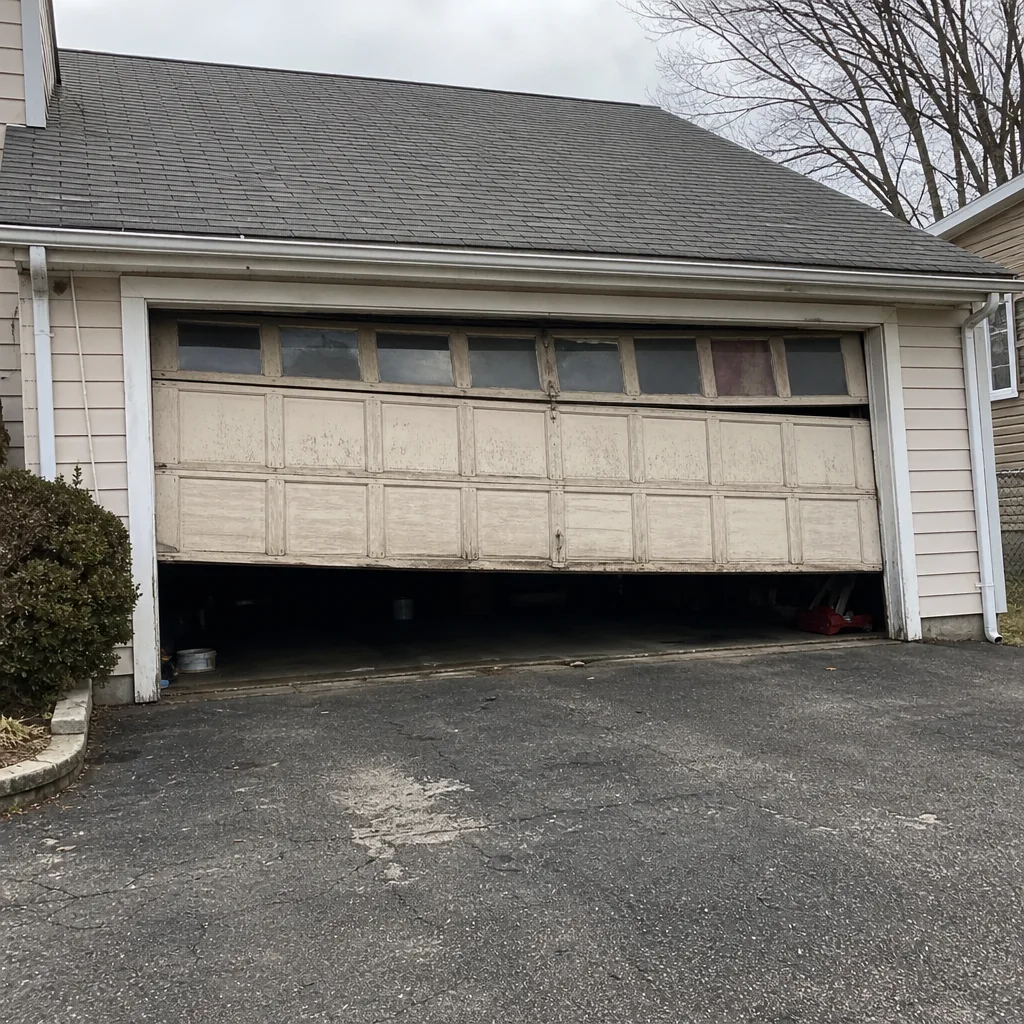 Before
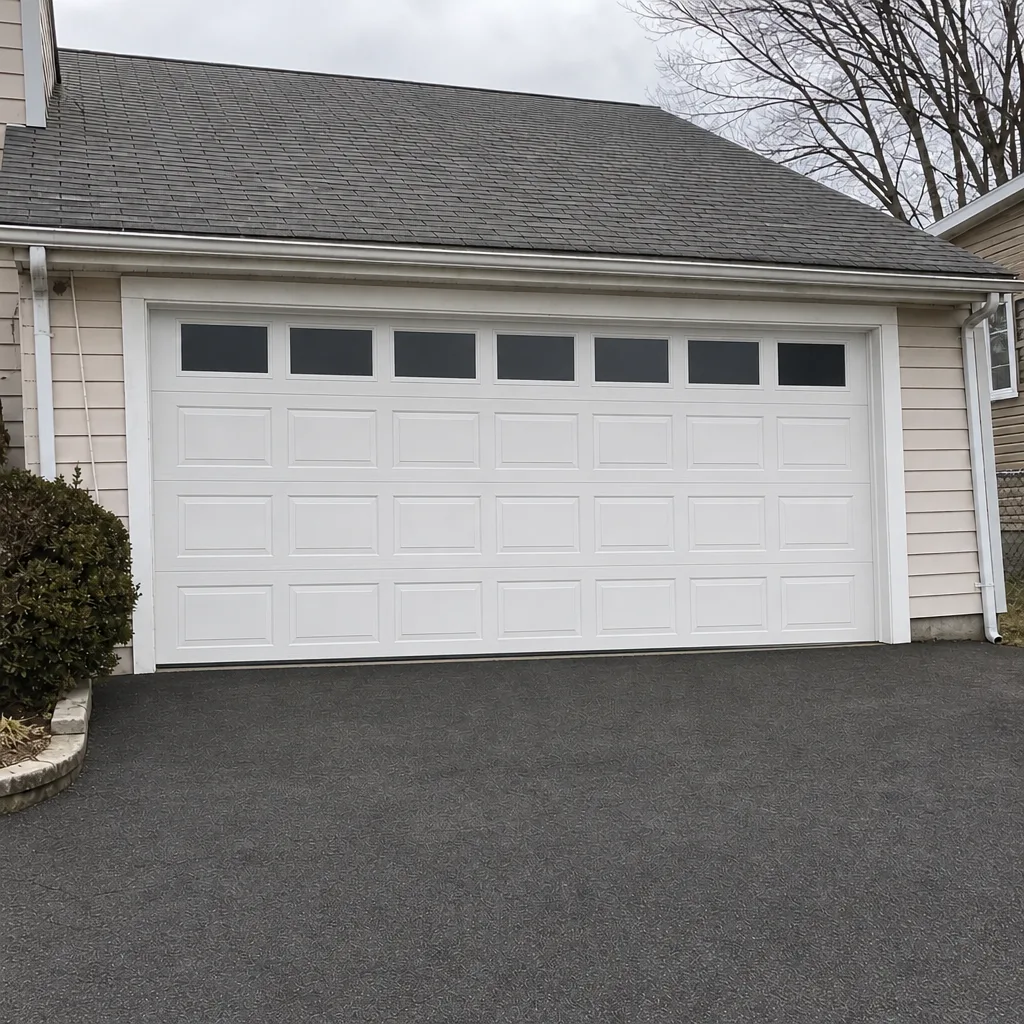 After
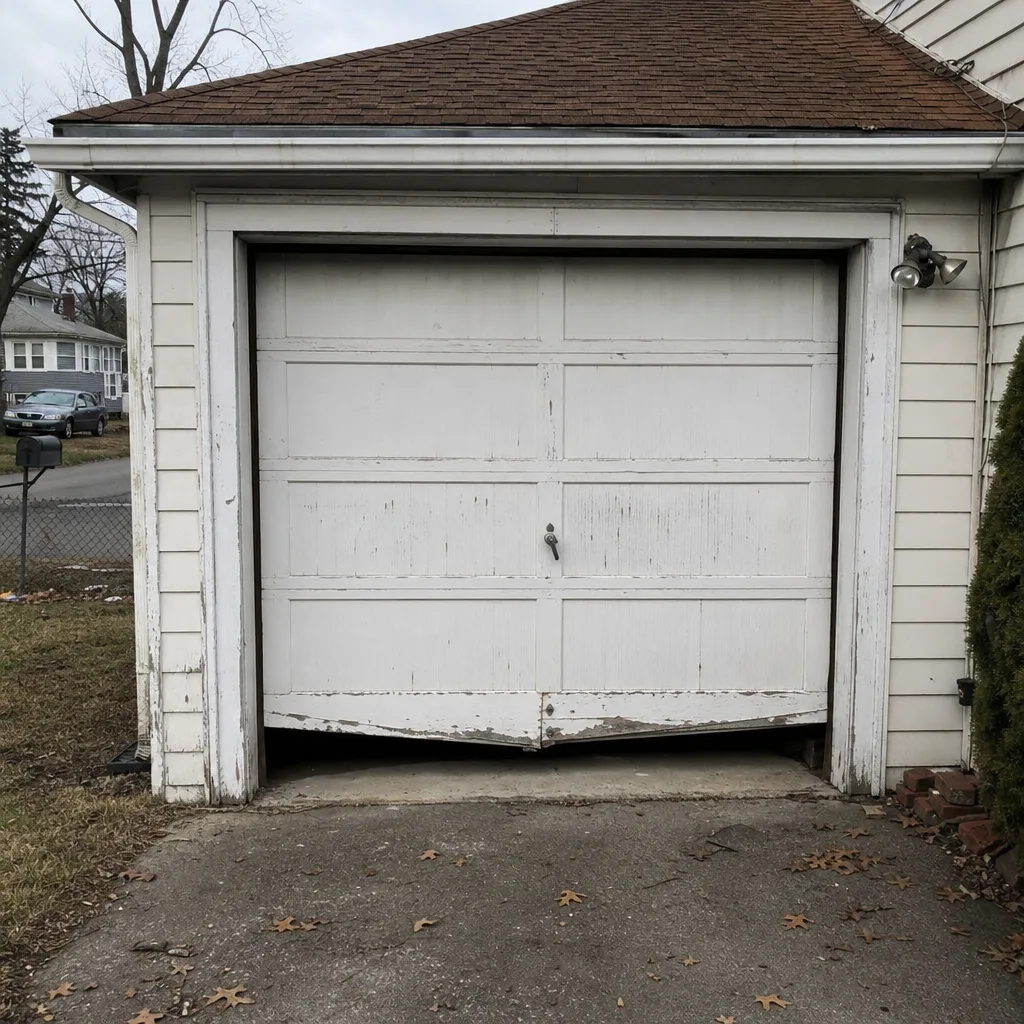 Before
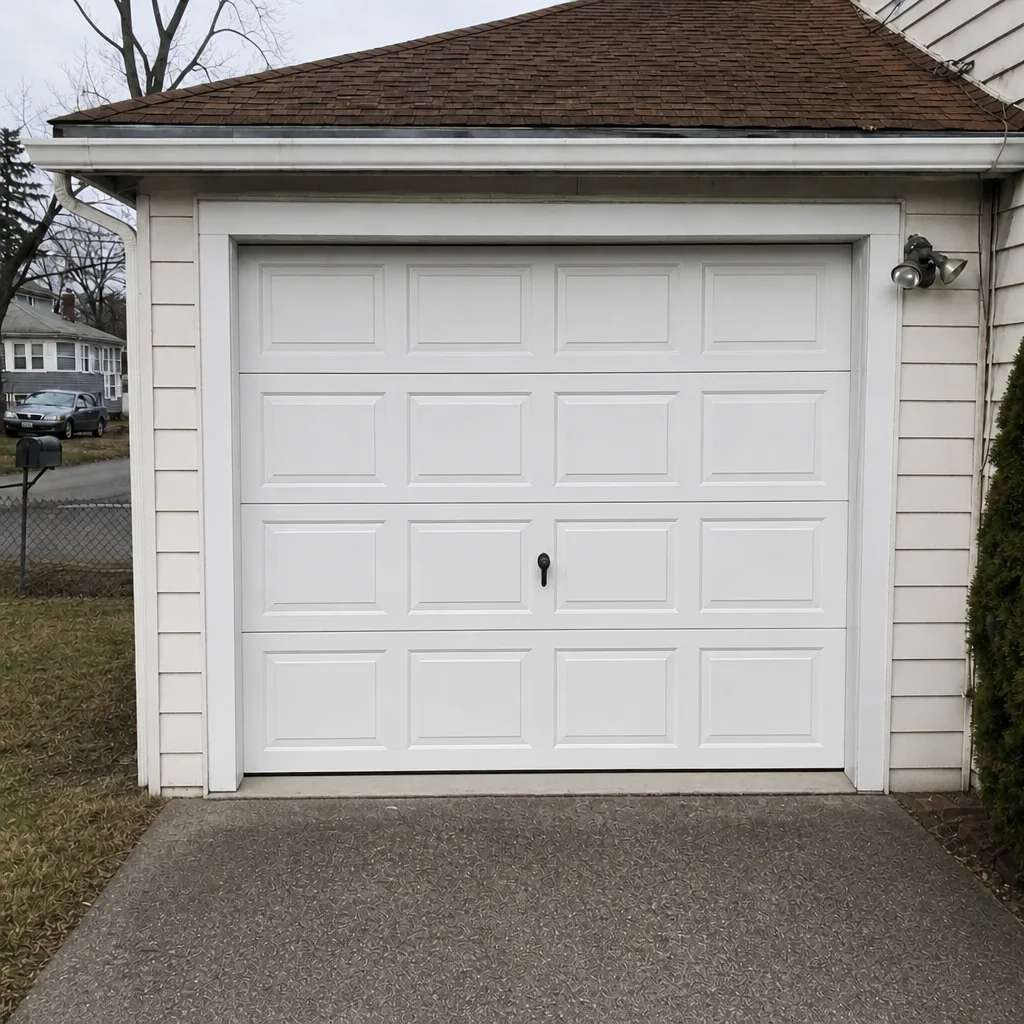 After
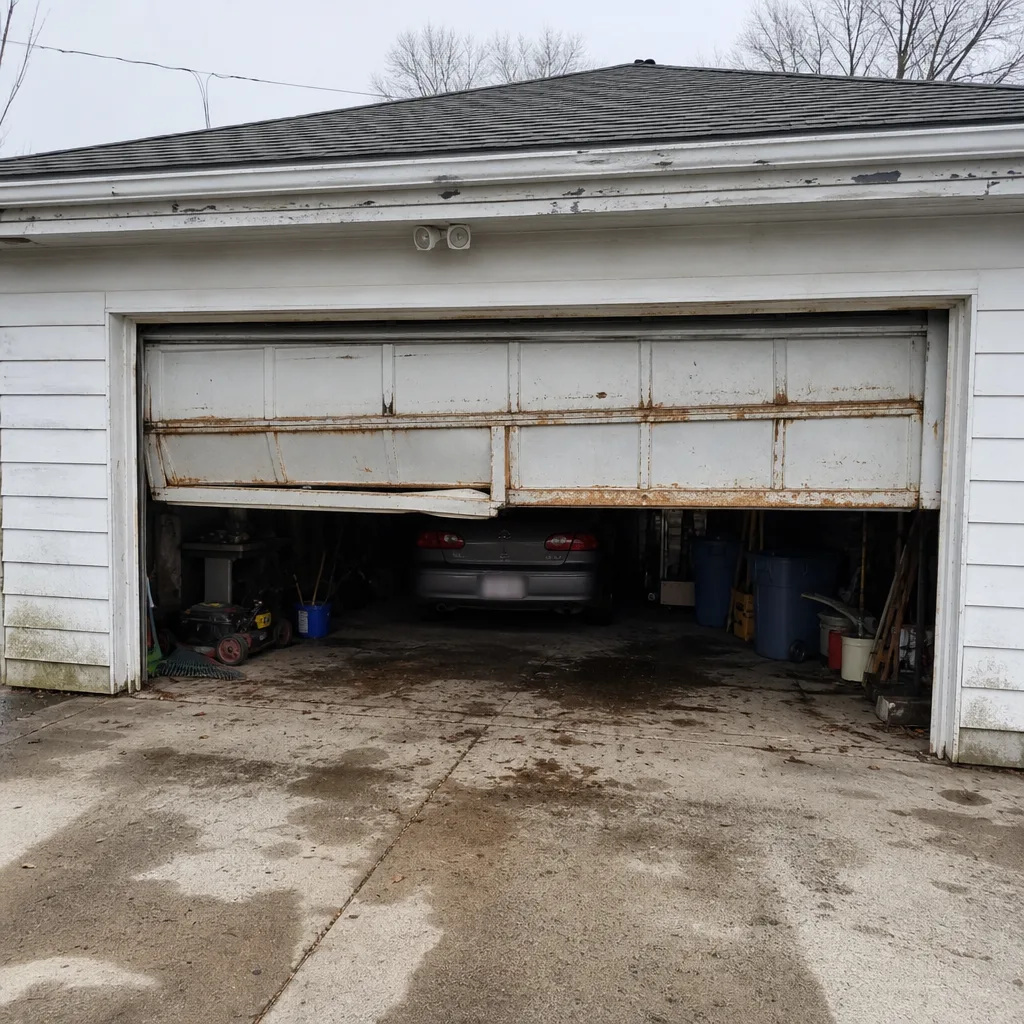 Before
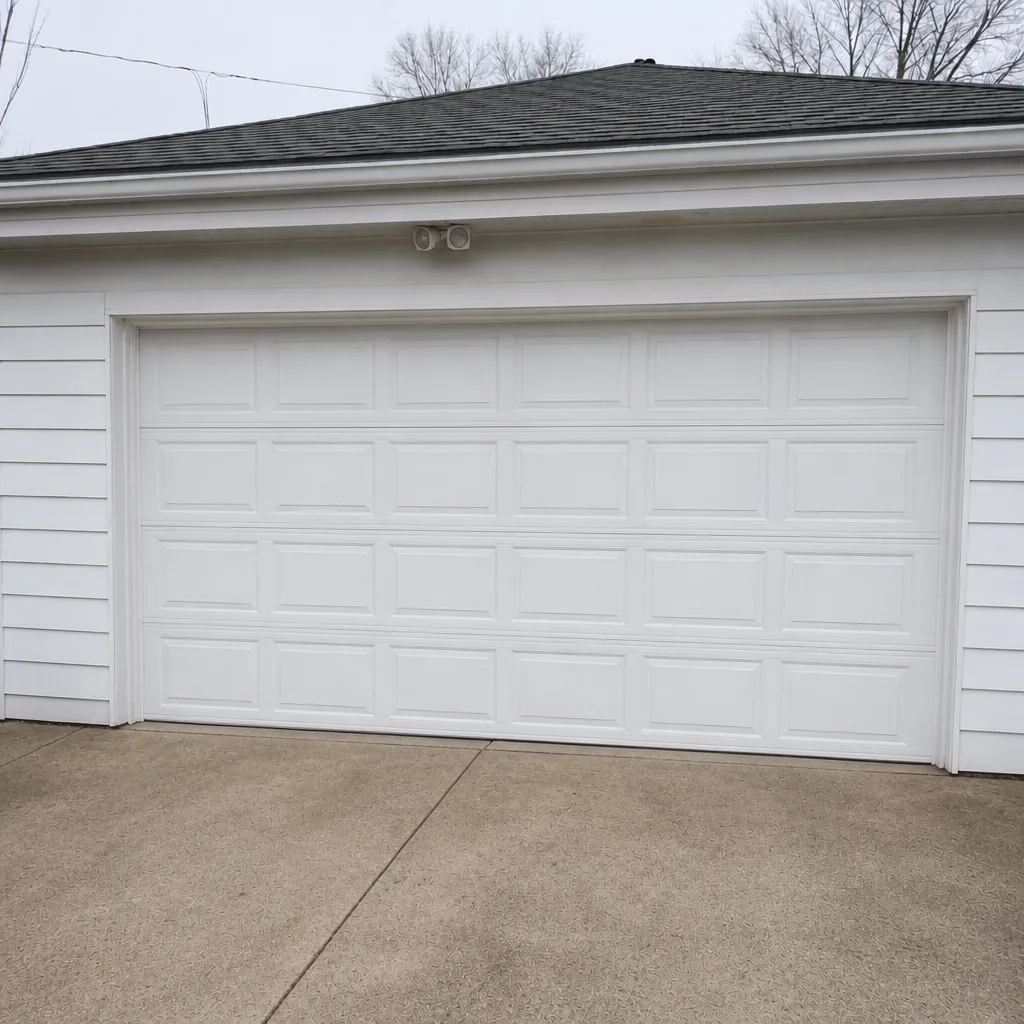 After
When to Call a Professional
Some brand questions can be answered on paper; some need a specialist on-site. If your door is out of balance, if the springs are making noise that wasn’t there last year, if your current door brand is unclear, or if you’re weighing a repair against a full replacement, this is specialist territory. Spring and cable work in particular carries real risk – the torsion system stores a large amount of energy, and adjusting or replacing springs without the right tools and training is a genuine injury risk. We recommend leaving that work to a trained technician. If your door is off its track, if the opener runs but the door doesn’t move, or if you’ve been quoted a brand you can’t find any local installer for, that’s also worth a call. Laurel Garage Door Repair offers free estimates in Brockton – call (844) 329-8773. We answer 24/7. Fast dispatch from 7am to 7pm, Sunday through Friday, and the written estimate sets the final price before any work begins.
Frequently Asked Questions
There isn’t one best brand – there’s a best fit for your home’s climate exposure, opener system, and local parts availability. In most cases, proven manufacturers like Clopay, Amarr, Raynor, or Wayne Dalton offer the right combination of cold-climate insulation, wind load rating, and regional support. Compare the specification on the specific model, not the brand name alone. Call (844) 329-8773 for an exact quote on the door brands we can source – estimates are free.
No. Door brand and opener brand are independent, and any reputable door will work with any modern opener. The real compatibility question is at the opener accessory level – LiftMaster and Chamberlain remotes work together, but Genie uses its own ecosystem, so an opener replacement may mean replacing the accessories too. Call (844) 329-8773 and we’ll confirm the match before you buy.
Ask your installer where the nearest stocking distributor is and how long a replacement panel would take to arrive. If the answer is vague, that brand is a long-term risk regardless of how well the door is built. Our team works across eight major brands, so we can tell you what the local supply chain actually supports. Call (844) 329-8773 for an honest answer on the brand you’re considering.
For a Brockton attached garage, look for 24-gauge steel or heavier and a polyurethane insulation core. Polyurethane bonds to the steel and adds structural rigidity, while polystyrene board is lighter and adds less. Non-insulated doors belong on detached garages where temperature doesn’t matter. Call (844) 329-8773 and we’ll compare the spec on the specific doors you’re considering.
It can be, but only when the door is genuinely heavily used and the opener is rated to match. A commercial door on a residential opener wears the opener out faster than a matched residential pair. For most households, a heavier residential door is the better upgrade. Call (844) 329-8773 and we’ll size the door and opener together.
No. The written estimate sets the final price, and we quote it before any work starts. If the on-site inspection turns up a different scope – say, damaged track alongside a worn spring – we’ll explain the change and get your agreement before proceeding. Call (844) 329-8773 for an exact quote – estimates are free.
The Bottom Line
The right garage door brand for a Brockton home is the one that matches your climate, code, opener system, and local parts support – not the one with the biggest ad budget. Compare quotes by steel gauge, insulation core, hardware specification, wind load rating, and warranty terms. Ask where replacement parts come from. Confirm the opener is rated for the door. And insist on a specialist installer, because installation balance and track alignment matter more than the logo on the panel. We work on every major brand, which means our advice on which to choose comes with no incentive to favor one over another. That’s the foundation of a door that runs right for years.
Ready to compare brands on spec rather than on marketing? Call Laurel Garage Door Repair at (844) 329-8773 for a free estimate on your Brockton door. We answer 24/7. Fast dispatch from 7am to 7pm, Sunday through Friday, and the price is set in writing before any work begins.
Written by the team at Laurel Garage Door Repair.