
Last updated November 15, 2026
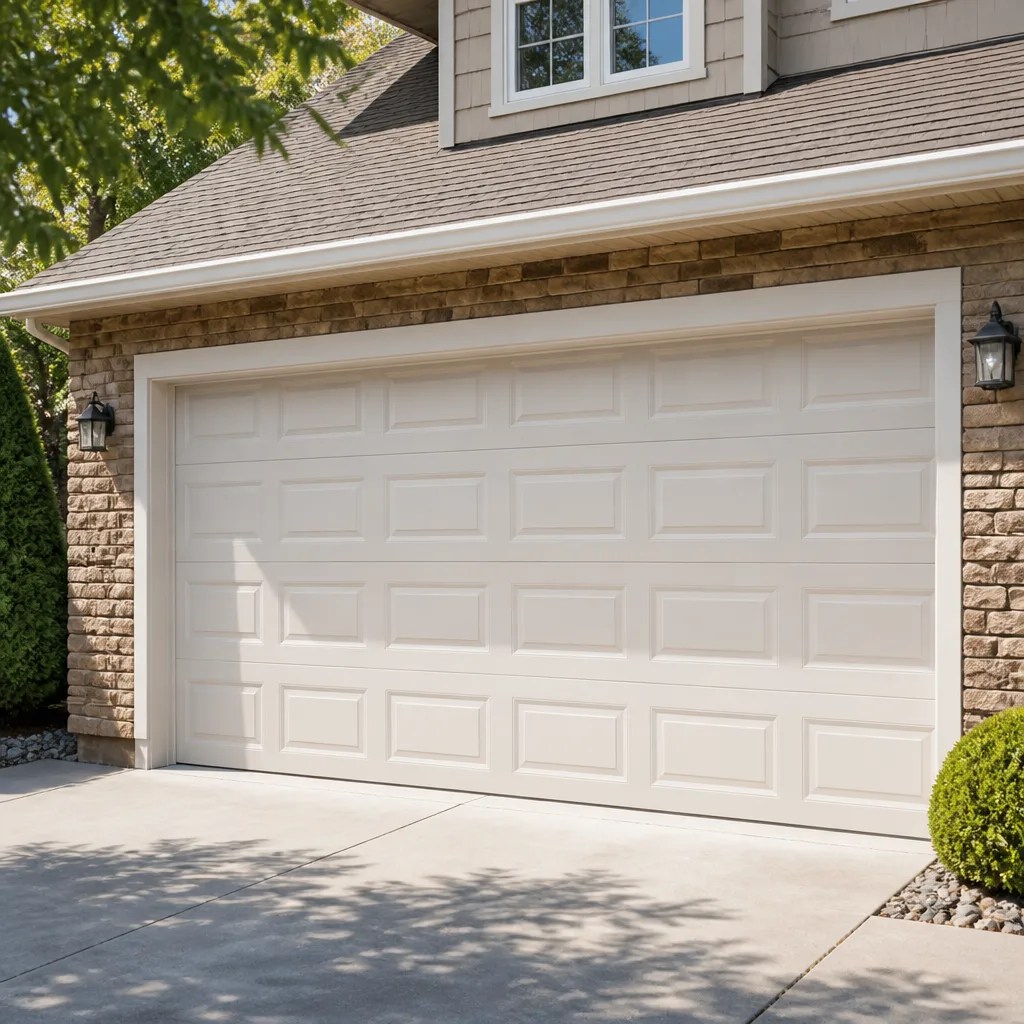 Raised-panel steel
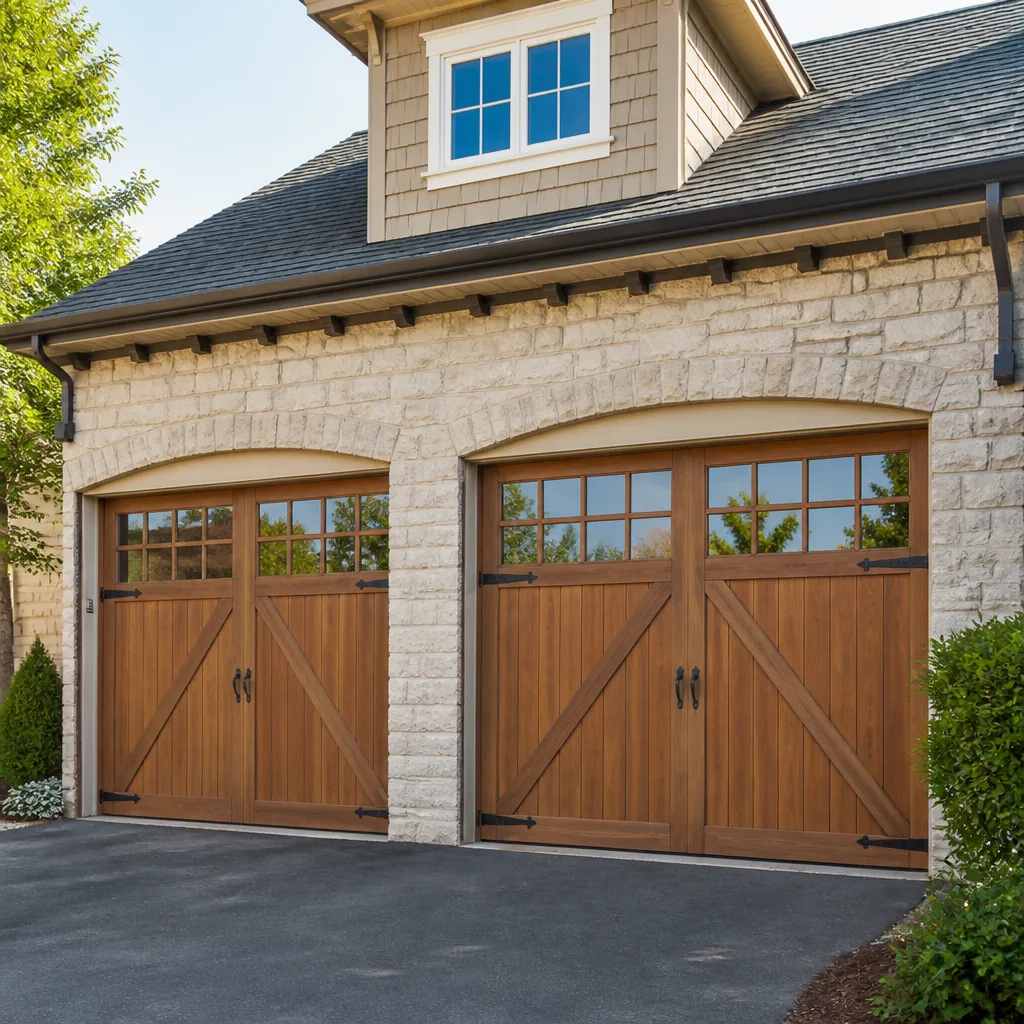 Carriage house
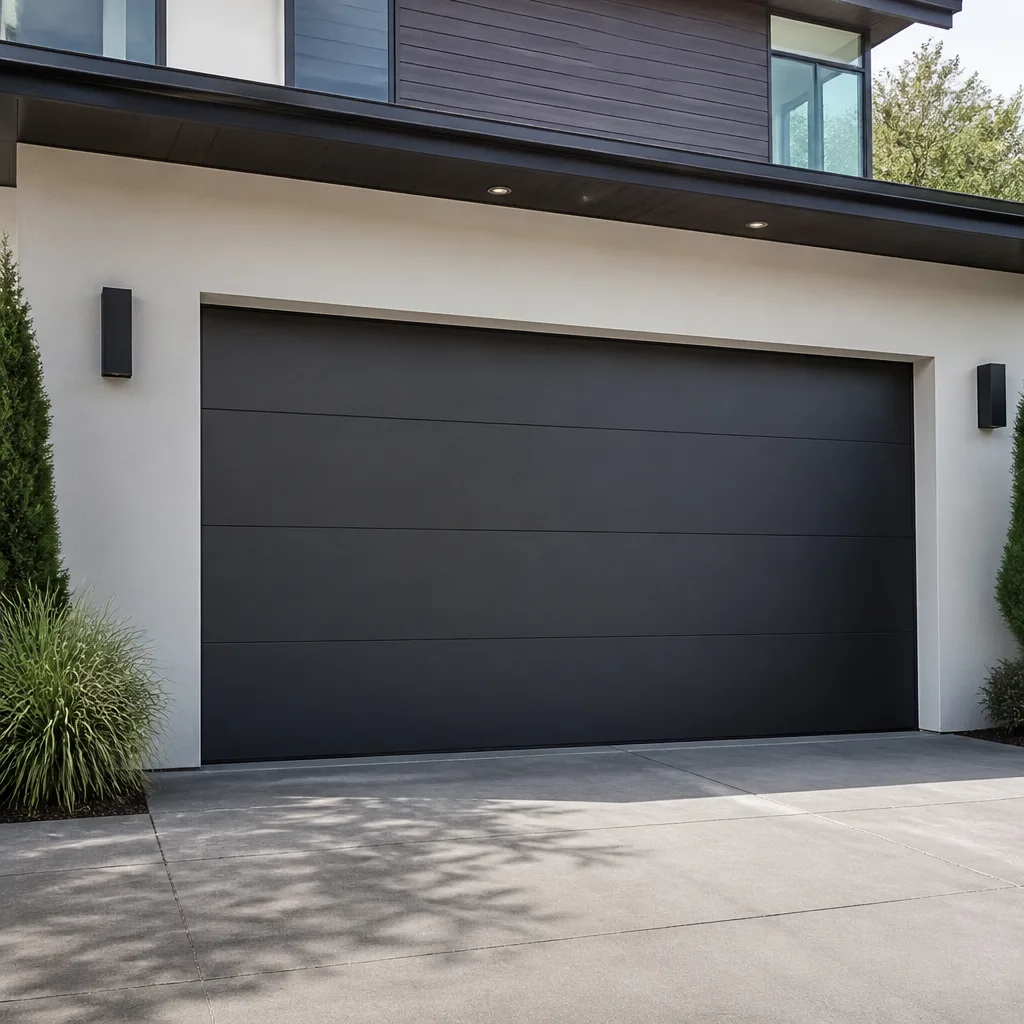 Modern flush
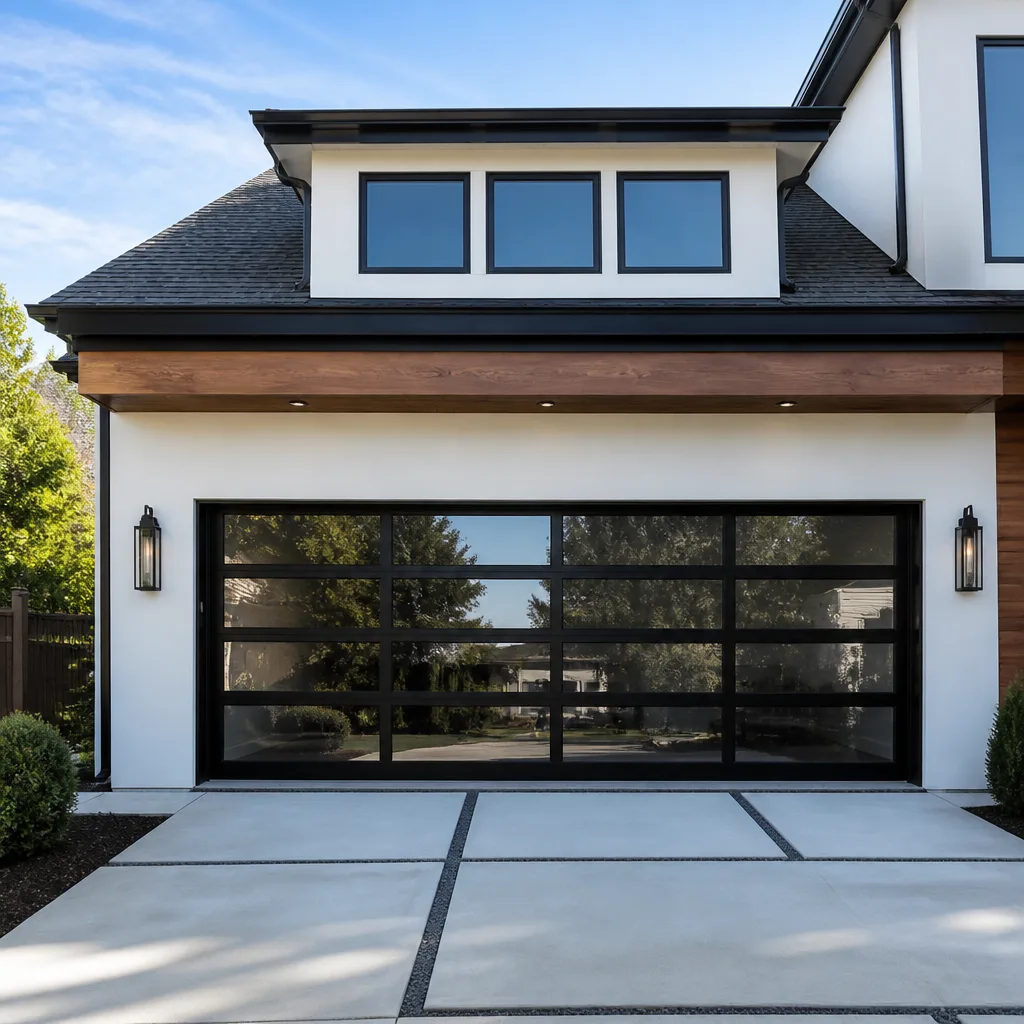 Full-view glass
 LiftMaster openers
 Chamberlain openers
Full 25-point door and opener safety check with every visit - springs, cables, rollers, tracks, and your LiftMaster or Chamberlain opener included
You get a price before we start. It does not change when the pro arrives.
Get your free estimateGarage Door Emergency Preparedness Guide for Brockton Homes
Most garage door emergencies in Brockton don’t start with a broken spring. They start with a homeowner forcing a door that’s frozen to its threshold, or yanking a release cord the wrong way during a power outage, and turning a twenty-minute fix into a full replacement. The February 2015 blizzard series made that pattern impossible to miss across Plymouth County: frozen doors topped the emergency call list, and the damage that followed was usually caused by hands, not weather. This guide covers how to open a door by hand without wrecking the trolley, how to free a frozen threshold without bending the bottom seal, and how to secure a dead door while you wait for a scheduled repair. Written from Brockton, for the storms this city actually gets.
Quick Answer
A garage door emergency in Brockton is best handled by first confirming nobody is under the door, then pulling the manual release only when the door is fully closed, and calling a specialist before forcing anything frozen or off-track. Prepare before the storm: clear the threshold, test the balance and the safety reverse, keep the release cord reachable, and know which number you’re calling. Most emergency damage we see comes from forcing a door that’s ice-bonded or jumping a release while the door is under spring tension.
Styles & brands we work with
- Raised-panel steel
- Carriage house
- Modern flush
- Full-view glass
- LiftMaster openers
- Chamberlain openers
Table of Contents
- How Do You Open a Garage Door by Hand During a Power Outage?
- How Do You Safely De-Ice a Frozen Garage Door in Brockton?
- Pre-Storm Preparation for Nor’easters and Heavy Snow Load
- What to Do When Storm Debris or a Vehicle Damages a Panel
- How to Secure an Inoperable Door While You Wait for Repair
- Why Springs and Cables Are a Hands-Off Emergency
- When the Opener Is the Emergency
- Common Mistakes to Avoid
How Do You Open a Garage Door by Hand During a Power Outage?
To open a garage door by hand during a power outage, pull the manual release cord only when the door is fully closed, and disengage the trolley slowly. The door is then under spring tension and will move with a controlled push. The mistake that permanently disconnects the trolley happens when someone pulls that cord while the door is partly open, mid-travel, or while the opener is still running. That snaps the carriage out of the rail and can drop the door.
The correct sequence for a Brockton homeowner facing a dead opener:
- Stop. Make sure nobody is standing under the door. Garage doors weigh a lot, and a door that’s been forced or hung up can come down fast.
- Check the opener. If the wall button, remote, and the opener’s own light all do nothing, you’re dealing with a power or control problem, not a door problem. Give it a minute. A tripped breaker or a dead battery in a wall console can look identical to a full outage.
- Close the door fully. If it’s partly open, use the wall button or the opener’s release only if the door moves freely. If it’s stuck, don’t force it. Call for garage door opener repair before you touch the release.
- Pull the release cord straight down. It hangs from the trolley carriage on the rail. One firm pull. You’ll hear the carriage click out of the chain or belt.
- Lift with both hands, evenly. A balanced door should lift with one hand’s worth of pressure. If it takes two hands and your back, the springs are tired and the door shouldn’t be forced by hand.
- Re-engage carefully later. When power returns, run the opener once so the carriage travels to the trolley, then push the carriage back toward the door until it clicks. Test with the wall button before you trust it.
If the door won’t lift smoothly after the release, stop. That’s a spring, cable, or track issue, and those are covered below. We answer 24/7, and fast dispatch from 7am to 7pm, Sunday through Friday, covers the vast majority of Brockton outage calls.
How Do You Safely De-Ice a Frozen Garage Door in Brockton?
To de-ice a frozen garage door threshold, use warm water or a heat gun on low from a safe distance, never a hammer, chisel, or boiling water, and never a flame. The ice bond is between the bottom seal and the concrete apron. Breaking that bond with impact bends the aluminum bottom retainer and warps the bottom panel, and once that panel warps, the door won’t seal again without replacement.
Brockton’s freeze-thaw cycle does the real damage. Snow melts against a warm door panel during the day, runs down, and refreezes overnight into a solid bond at the threshold. The door is then glued shut. A few ways to break that bond without hurting the door:
- Warm water in a watering can or spray bottle. Pour it along the seam, wait two minutes, try the door by hand. Repeat. Slow but gentle.
- A heat gun on its lowest setting, held at least a foot back, moving constantly. Never let the nozzle rest in one spot. Aluminum and vinyl seals both distort fast.
- A rubber mallet, tapped gently on the seal itself, not on the panel or the bottom retainer. You’re cracking the ice, not the door.
- Never a metal shovel or ice chopper. One wrong swing takes out the bottom panel and the weather seal together.
Once the door is free, clear the snow and ice from the apron in front of it, not just at the threshold. A door that opens fine but closes onto a ridge of packed snow will reverse on its safety sensors, and a homeowner who doesn’t know why will keep pressing the button. That cycling is hard on the opener’s logic board and on the door’s balance springs. If your Chamberlain or Genie opener is blinking a fault code after a snowstorm, that’s usually the reason, not a failure.
Pre-Storm Preparation for Nor’easters and Heavy Snow Load
Brockton sits in a storm track that produces nor’easters with heavy, wet snow and long-duration wind, and the prep work that matters most happens in the day before the storm, not during it.
For a heavy snow and wind event, do these in order:
- Test the safety reverse. Put a two-by-four flat on the ground under the door and close it. The door should reverse on contact. If it doesn’t, the opener needs adjustment before a storm, not after.
- Test the balance by hand. Disconnect the opener, lift the door halfway, let go. A balanced door stays put. One that drifts down has weakened springs and will struggle with snow load and cold-stiff grease.
- Lubricate the moving parts. Hinges, rollers, and the torsion springs get a garage-door-rated lubricant. In cold weather a dry hinge binds and the opener strains. Don’t use WD-40 as a lubricant; it’s a penetrant.
- Check the weather seal along the bottom and sides. A torn seal lets snow and meltwater in, and that water refreezes at the threshold.
- Clear the apron and the area under the door. Snowblowers pile snow against the door and the tracks. That weight bows the bottom panel and packs the tracks.
- Know your manual release location and practice pulling it once, with the door closed. In the dark, during an outage, with wind screaming, you don’t want to be finding it for the first time.
- Keep a phone number ready. Store (844) 329-8773 in your phone before the storm, not after. We answer 24/7.
A note on brands. If your door is a Clopay or Amarr, its panel weight and spring sizing are specific to the model. That’s why a specialist matters here. Repairs on those doors go faster when the technician already knows the hardware on your door before they arrive. Our technicians have up to 12 years of experience with the doors and openers most Brockton homes actually have.
What to Do When Storm Debris or a Vehicle Damages a Panel
When a panel is damaged by storm debris or a vehicle impact, the first step is to leave the door alone, photograph the damage, and confirm nobody is under it. Do not run the opener. A bent panel often binds the tracks, and the opener’s continued push on a jammed door can snap a hinge, bend a track further, or burn out the opener’s motor.
What to do, and what not to do:
- Don’t try to bend a steel or aluminum panel back into shape by hand. The metal is work-hardened once it’s bent. It cracks. Once it cracks, water gets into the core and the panel fails from the inside out.
- Do not open the door if a track is bent or a hinge is ripped out. The door is designed to travel inside those tracks. A bent track means the door can come off the rail, and that’s a real injury risk.
- Do photograph from several angles. Panel damage is often repairable without a full door replacement if the tracks and springs are intact.
- Do check the opener’s drive system. If the trolley carriage is damaged or the chain is off, you need both garage door repair and opener work. A specialist who handles both at once beats two separate calls.
A single damaged bottom or middle panel on a Clopay, Amarr, or similar door is often replaceable on its own. What changes that math is whether the model is still in production. Some older profiles are no longer made, and then the option is a full door replacement. We tell you which situation you’re in honestly, with a written estimate, before any work starts.
How to Secure an Inoperable Door While You Wait for Repair
To temporarily secure an inoperable garage door, keep it fully closed, disengage the opener from the trolley, and lock the door manually from the inside with a slide lock or a c-clamp on the track above a roller. A closed door that’s fully engaged with its track is already a barrier. The goal is to prevent the door being opened from the outside, not to reinforce it.
The specific steps:
- Close the door. Use the wall button if the opener works. If it doesn’t, close it by hand only if the door moves freely. Stop if it binds.
- Disengage the trolley. Pull the release cord at the closed position, so the door stays in place and the opener carriage is free.
- Lock the door on the inside. A slide-bar lock through the track works on most doors. Failing that, a c-clamp on the vertical track, just above a roller, will stop the door being pulled up. Don’t over-tighten; you’re not trying to bend the track.
- Cover a broken panel if it’s open to the weather. Strapping tape and plastic sheeting keep snow and rain out of the door’s interior, which matters in Brockton’s wet snow.
- Keep the opener switched off at the breaker or unplugged. If someone in the house hits the wall button out of habit, you don’t want the opener driving a damaged door.
- Book the repair. A temporary block is a barrier, not a fix. Call (844) 329-8773. Fast dispatch from 7am to 7pm, Sunday through Friday, and we answer 24/7. If a call comes in outside dispatch hours, it’s booked into the next opening.
Don’t leave the door propped open with a stick, and don’t leave it partway open while you wait. A door in mid-travel is under spring tension and can drop. That’s exactly the situation our safety advice below is about.
Why Springs and Cables Are a Hands-Off Emergency
Garage door torsion springs and the cables that run them are under extreme tension, and a broken spring is not a repair a homeowner should attempt. A torsion spring that’s been wound under load can release that energy instantly and without warning. The cables carry the same tension down each side of the door. Every year, people are seriously injured working on this hardware, and the fix is one of the few in home repair where the honest advice is to step back entirely.
What you can safely check:
- Listen for the sound. A torsion spring that breaks makes a loud bang. If you hear it and the door suddenly won’t lift, that’s what happened. Don’t run the opener.
- Look for a visible gap in the spring. From a safe distance, with the door closed. Don’t reach in.
- Watch for a frayed or slack cable. A cable that has come off its drum on one side will let that side of the door drop. Don’t try to reseat it.
- Don’t force the door up by hand if it feels heavy. A door that won’t lift with one hand’s pressure has a spring problem, and forcing it puts all the weight on you.
In our experience, the most common call after a cold snap is a broken spring on a door that was already running heavy. Cold weather doesn’t cause the break, but it exposes a spring that was already near the end of its life. Keep the door off its opener, secure it as described above, and book the repair. A trained technician brings the right springs, sized to your door’s weight, and sets the balance correctly. That’s the difference between a fix that lasts and one that adds another call two months later.
When the Opener Is the Emergency
An opener emergency is different from a door emergency, and it’s the one most general repair services can’t fully address. When the door itself moves easily by hand but the opener won’t run, or runs but doesn’t move the door, the trouble is in the drive system, not the door. That means the logic board, the gears, the travel limits, the safety sensors, or the chain or belt drive.
Common signs it’s the opener and not the door:
- The opener runs but the door doesn’t move. Often a stripped gear or a disengaged trolley.
- The door reverses immediately after starting to close. Usually the safety sensors are misaligned. Check the small LED on each sensor, and look for snow or debris in front of the lens.
- The opener clicks but nothing happens. A logic board issue or a failing capacitor.
- The remote works but the wall button doesn’t, or the reverse. A wiring or console issue, not the motor.
LiftMaster, Chamberlain, Genie, and Craftsman all build residential openers differently when it comes to limits, force settings, and sensor behavior. Knowing which one you have shortens the call. Our technicians work on all four by name, along with the doors those openers run. If the opener is under the weather and the door is fine, book it as its own job. If both are in trouble at once, one visit handles the door and its drive system, which is exactly the point of working with a garage-door specialist rather than a generalist. Laurel Garage Door Repair handles the panels and the opener together, so you’re not caught between two contractors.
Common Mistakes to Avoid
- Pulling the manual release while the door is open. This is the mistake that permanently disengages the trolley carriage. The door should be fully closed when you pull it, every time. In a dark Brockton outage, feel for the door’s position before you reach for the cord.
- Forcing a frozen door up with the opener. The opener’s motor will push until it strips a gear or snaps a hinge. If the door is ice-bonded, free it first, then run the opener.
- Using a hammer, chisel, or hot water on the threshold. A rubber mallet on the seal is fine. A metal tool on the panel is a replacement. Boiling water cracks cold glass and warps seals.
- Running the opener on a bent track or a broken spring. A door that has lost balance can come off the rail, and a jammed motor will burn out. Leave the opener off until the hardware is fixed.
- Patching a cracked panel and forgetting it. A dent is cosmetic. A crack lets water into the panel core, and the panel fails later, usually after the seal around it has already rusted.
- Waiting for the storm to hit before you test the safety reverse. In Brockton that means testing before the forecast turns, not the morning of. A two-by-four on the ground is a two-minute test.
- Calling a general handyman for a spring or opener job. Springs need the right size and a set balance, and opener logic boards need model-specific diagnosis. A garage-door-only specialist does both correctly the first time.
See the difference
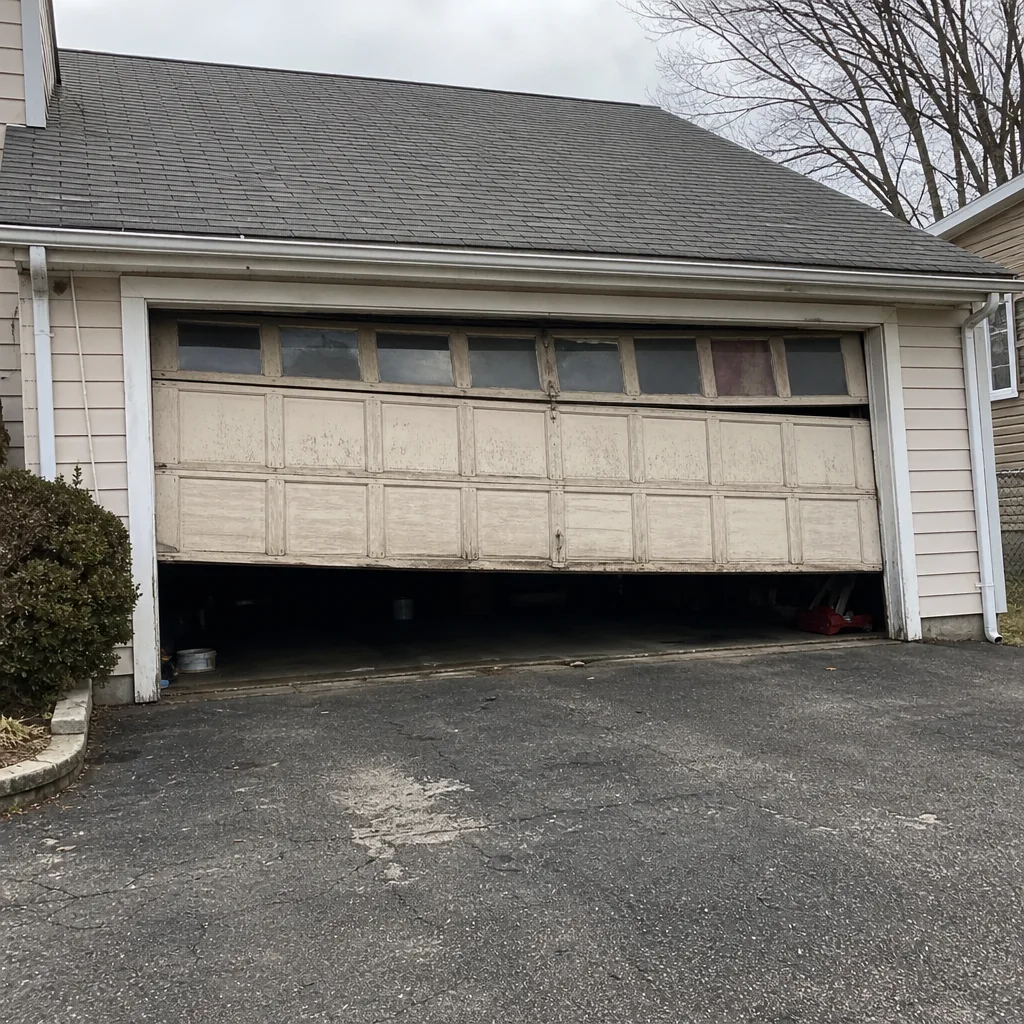 Before
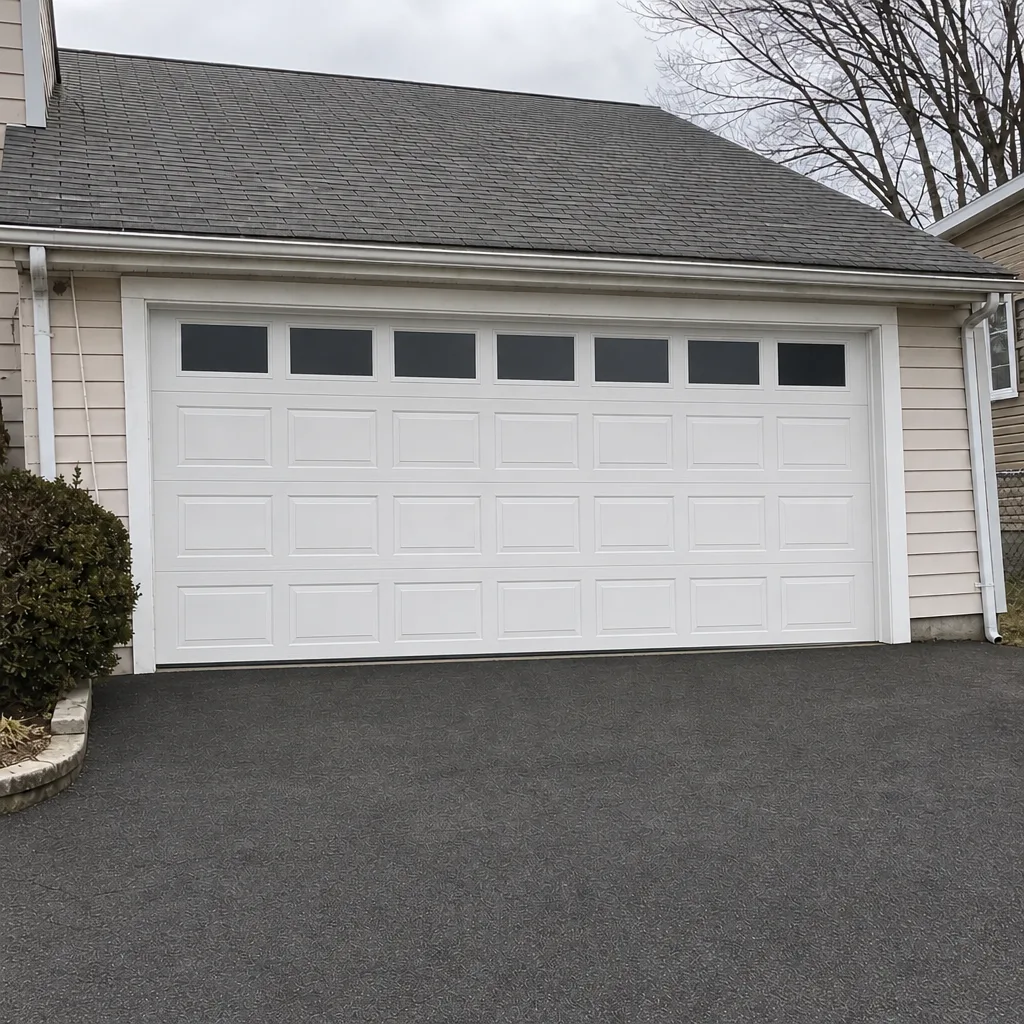 After
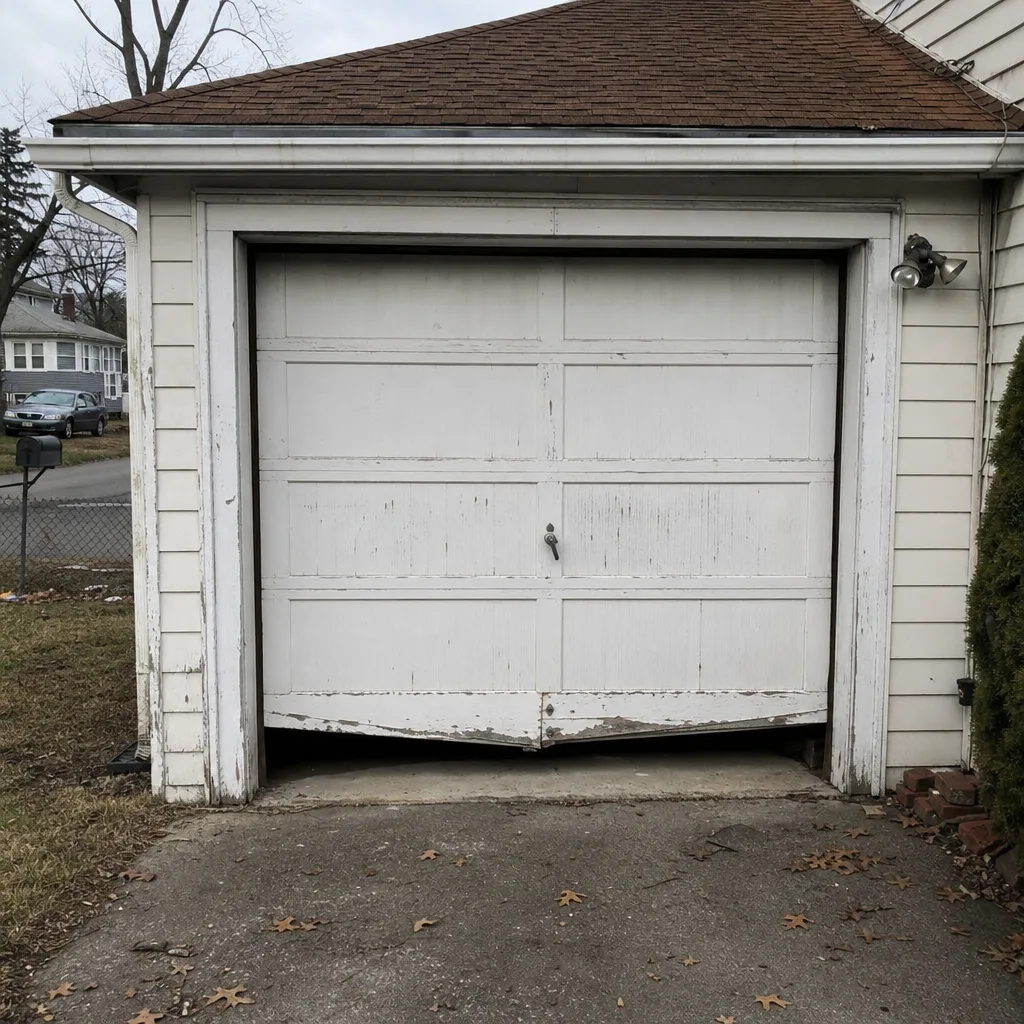 Before
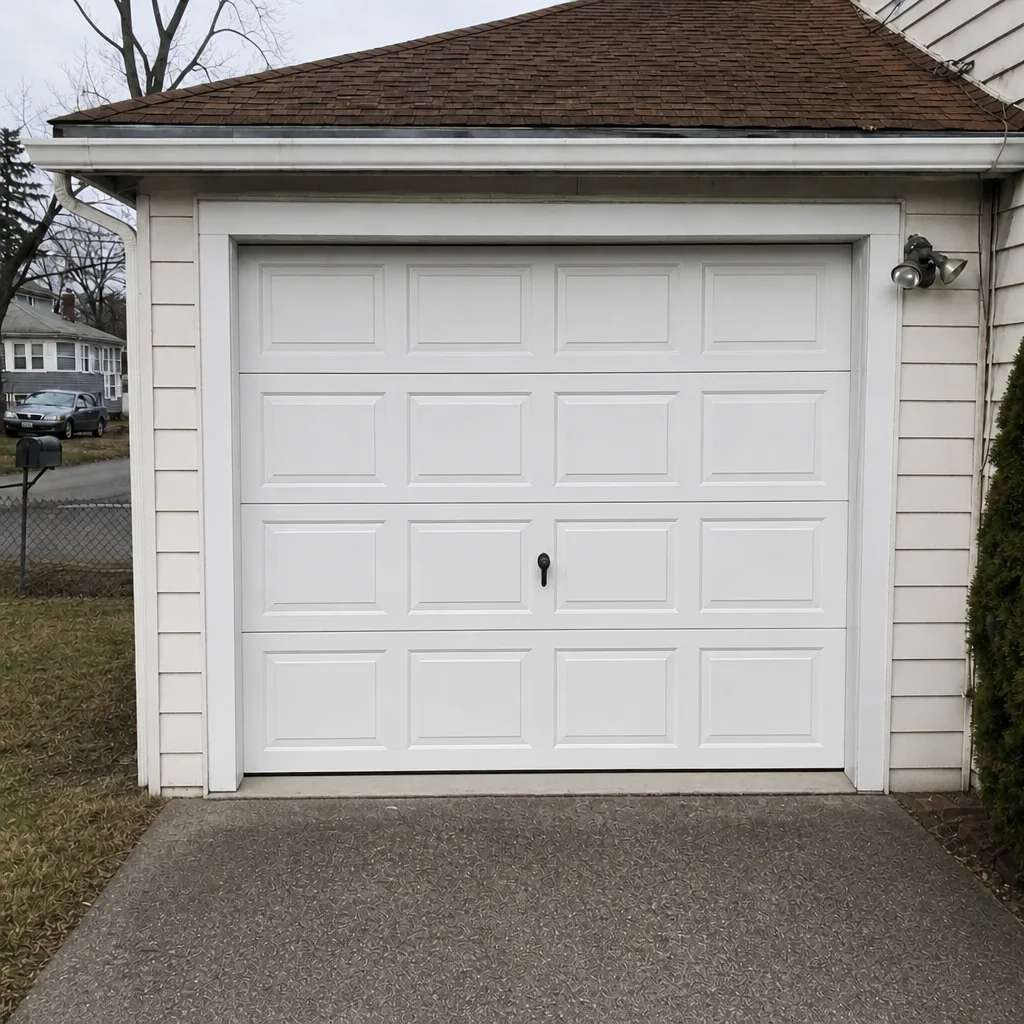 After
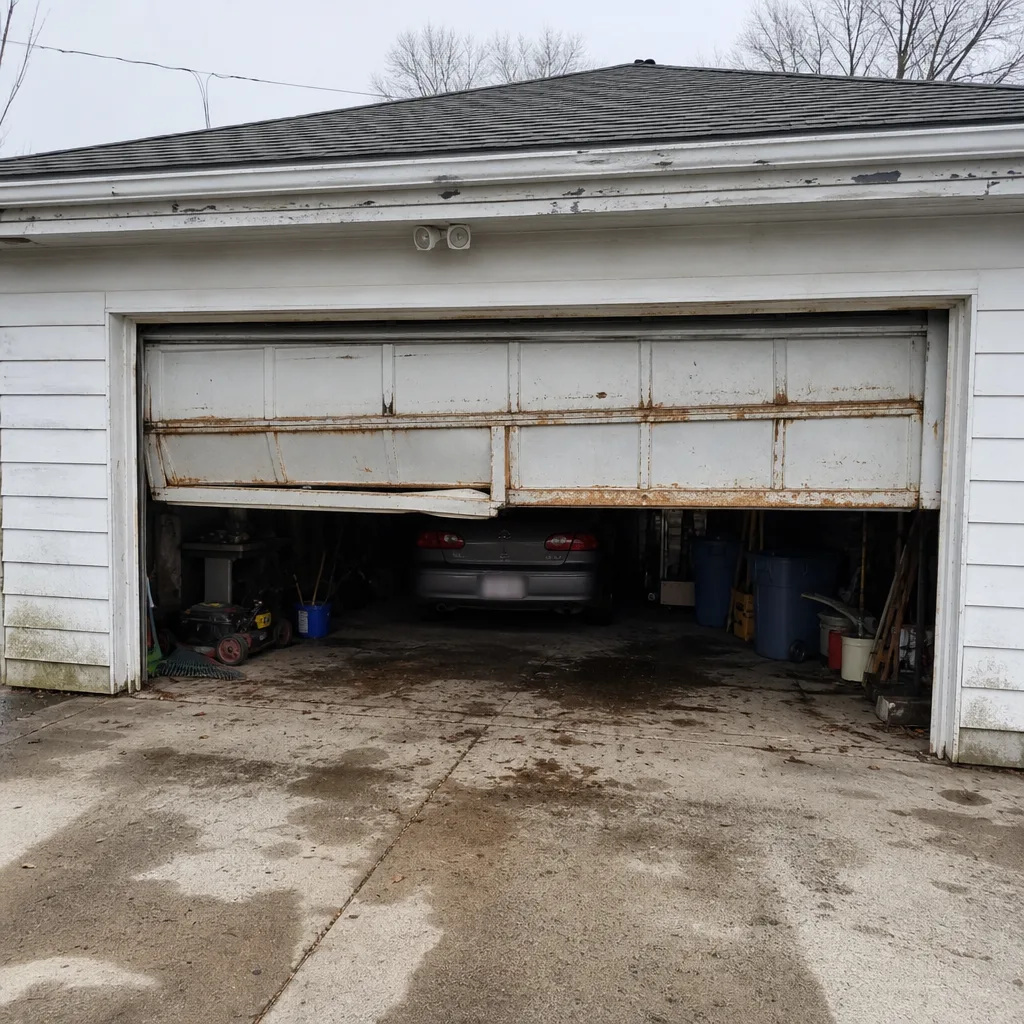 Before
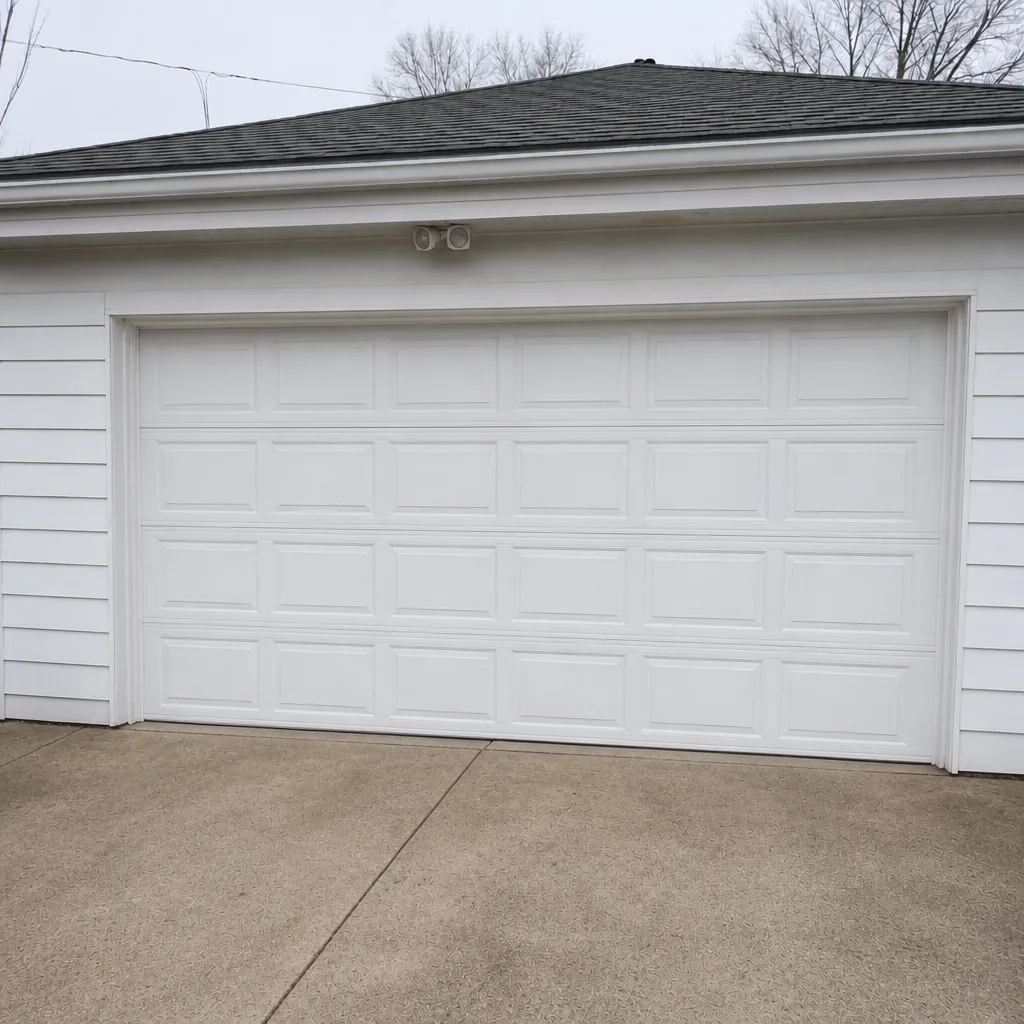 After
When to Call a Professional
Call for any torsion spring break, a door that’s off its track, a cable that’s come off the drum, a mangled bottom panel, or an opener that runs but won’t move the door. Call if the door is ice-bonded and won’t free with gentle heat. Call if a vehicle hit it, even lightly, so the tracks and the balance can be checked. And call before you run the opener again on a door that’s binding, because that’s when a small problem doubles.
We repair, service openers, and install the doors most Brockton homes already have. Laurel Garage Door Repair offers free estimates in Brockton, with the price quoted and agreed before any work begins. Call (844) 329-8773. We answer 24/7. Fast dispatch from 7am to 7pm, Sunday through Friday.
Frequently Asked Questions
Yes, if you pull the manual release with the door fully closed and lift with even pressure. The release disconnects the opener from the door, and a balanced door should lift with one hand. If it takes real effort, the springs are tired or something is binding, and it’s time to call. Push the carriage back until it clicks when power returns, then test with the wall button before trusting it.
Free the frozen threshold with warm water or a heat gun on low, moving constantly, and never with a hammer or a metal chisel. The ice bond is between the bottom seal and the concrete. Breaking it with impact bends the bottom retainer and warps the bottom panel, and that’s usually a replacement rather than a repair. Clear the snow apron in front of the door too, not just the seam.
Leave the door closed, don’t run the opener, and photograph the damage from several angles. Don’t try to bend a metal panel back by hand; formed metal cracks once it’s bent. A single panel on many Clopay or Amarr doors can be replaced on its own, but whether that’s possible depends on the model. We check the tracks and springs at the same time so the fix covers the whole door, not just the panel.
No. A broken spring means the door has lost its counterbalance, and running the opener will drive the door against the motor’s own limits. That can strip the gear, snap a hinge, or let the door drop. Disengage the opener, leave it off, and secure the door as best you can. The spring itself is a professional-only repair because of the stored tension.
Close the door, disengage the trolley with the release cord, and lock the door from the inside with a slide bar or a c-clamp on the vertical track above a roller. Tape plastic over a broken panel to keep snow and rain out of the door’s interior. Keep the opener switched off at the breaker so nobody hits the button by habit. Then book the repair. We answer 24/7 at (844) 329-8773, and a call outside dispatch hours is booked into the next opening, Sunday through Friday, 7am to 7pm.
No. The price is set per job by the written estimate, not by the hour you call in, and we quote and agree it before any work begins. What raises the cost is damage, not timing: a bent track, a cracked panel, or an opener driven against a jammed door all add work. That’s why the prep in this guide matters. Keep the estimate free by calling (844) 329-8773 before you force anything.
The Bottom Line
Brockton garage door emergencies follow the weather. Frozen thresholds, dead openers, and storm-damaged panels all peak when the storms roll in, and the homeowners who come through them without injury or extra damage are the ones who prepared ahead. Test the safety reverse and the balance every fall. Clear the apron before every storm. Know where the release is before you need it. Treat springs and cables as hands-off. And when a door or an opener does fail, call a specialist who handles the door and the drive system together, so you’re not bounced between contractors. Your door, running right, through the worst of the winter.
Contact us for a free estimate. Call (844) 329-8773. We answer 24/7. Fast dispatch from 7am to 7pm, Sunday through Friday. Whether it’s a spring, a panel, or an opener that quit in the cold, Laurel Garage Door Repair handles the whole door, from the panels to the opener, with the price agreed before work starts.
Written by the team at Laurel Garage Door Repair.