
Last updated November 15, 2026
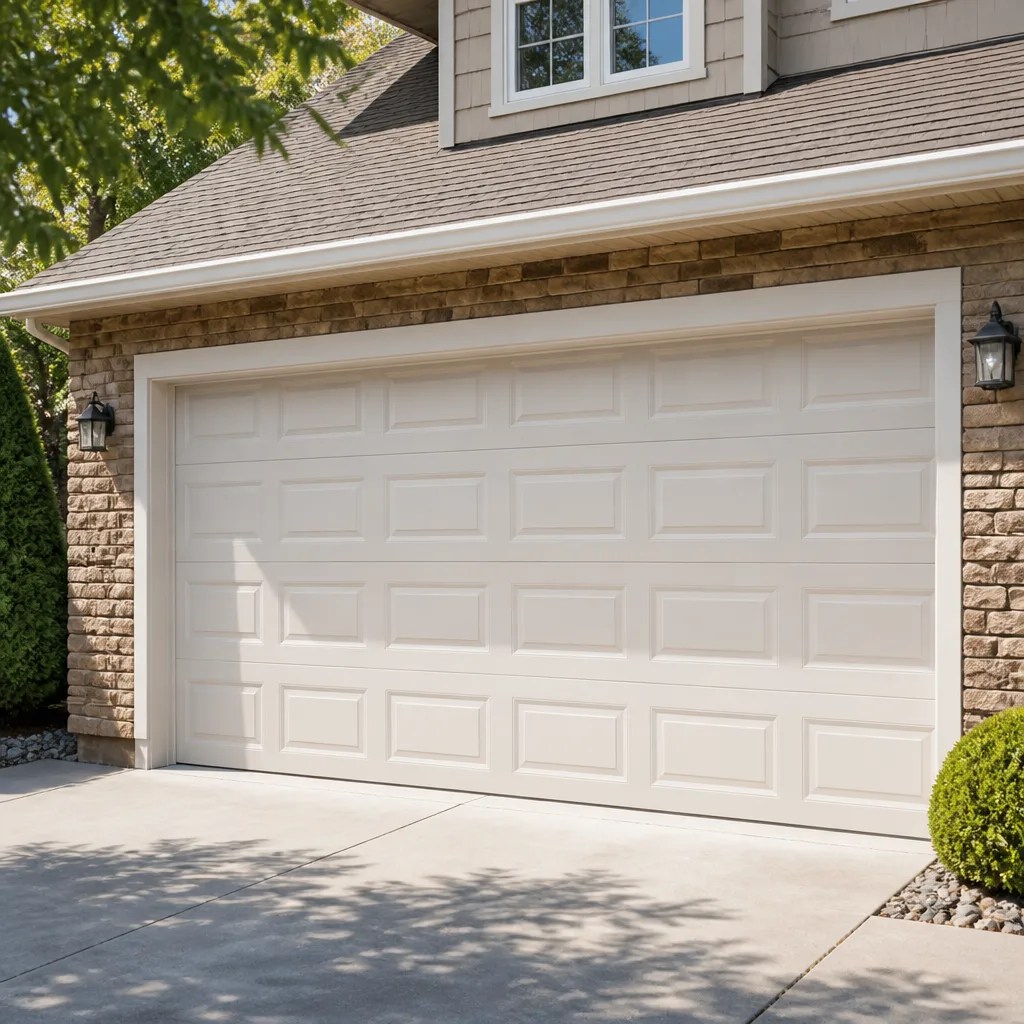 Raised-panel steel
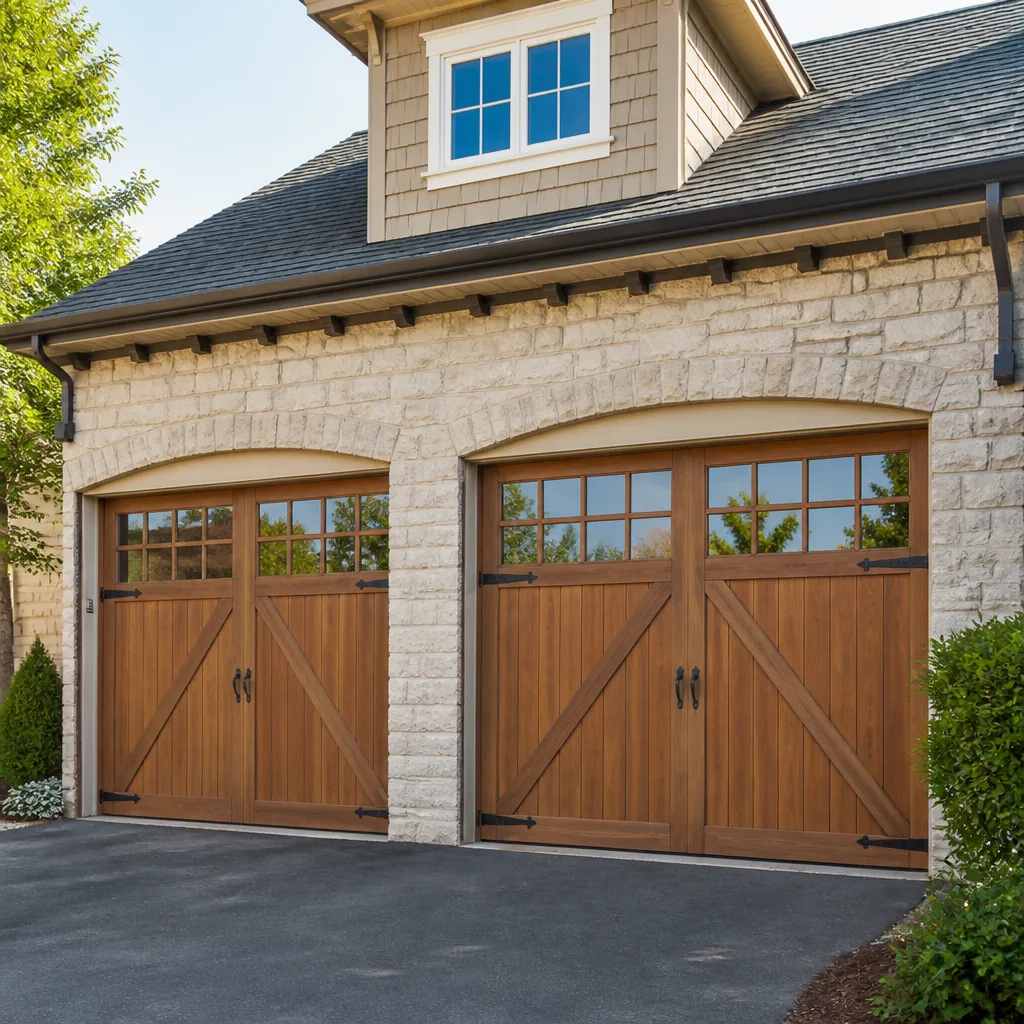 Carriage house
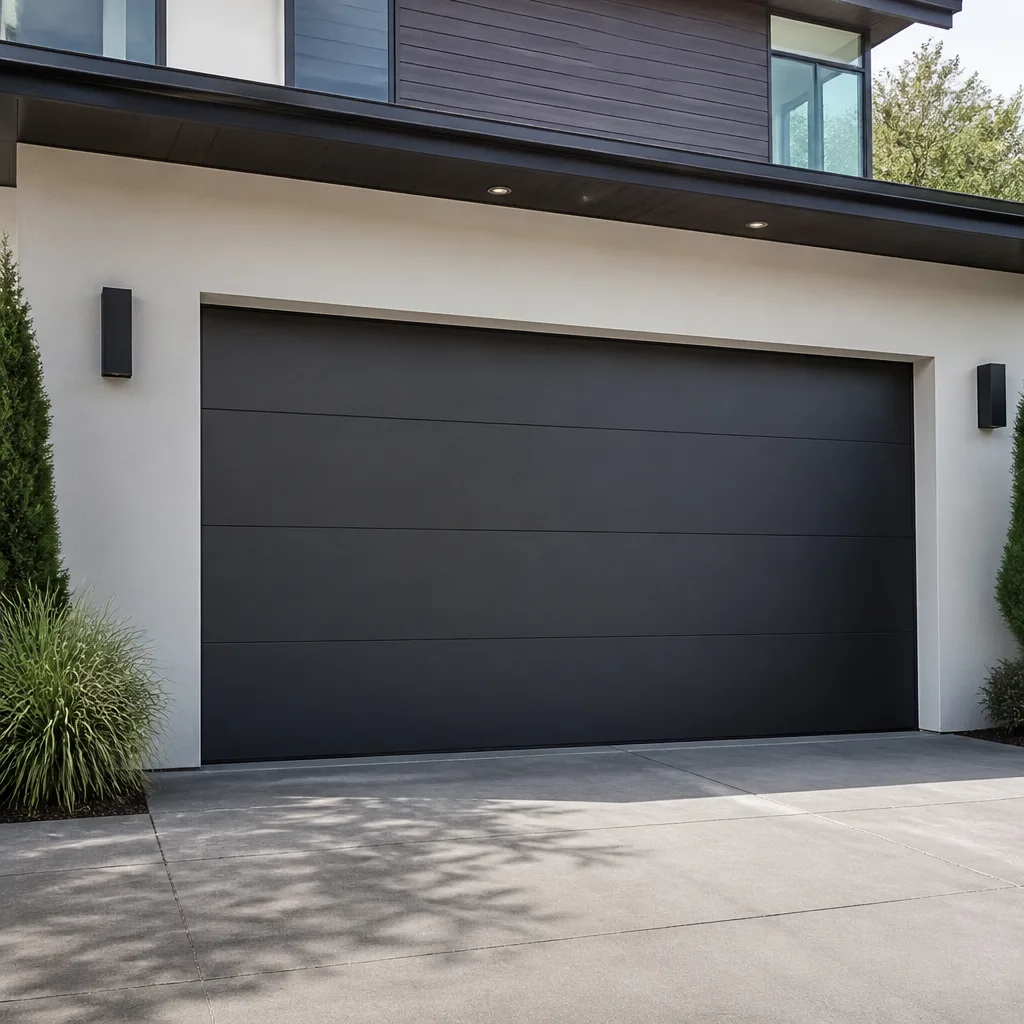 Modern flush
 Full-view glass
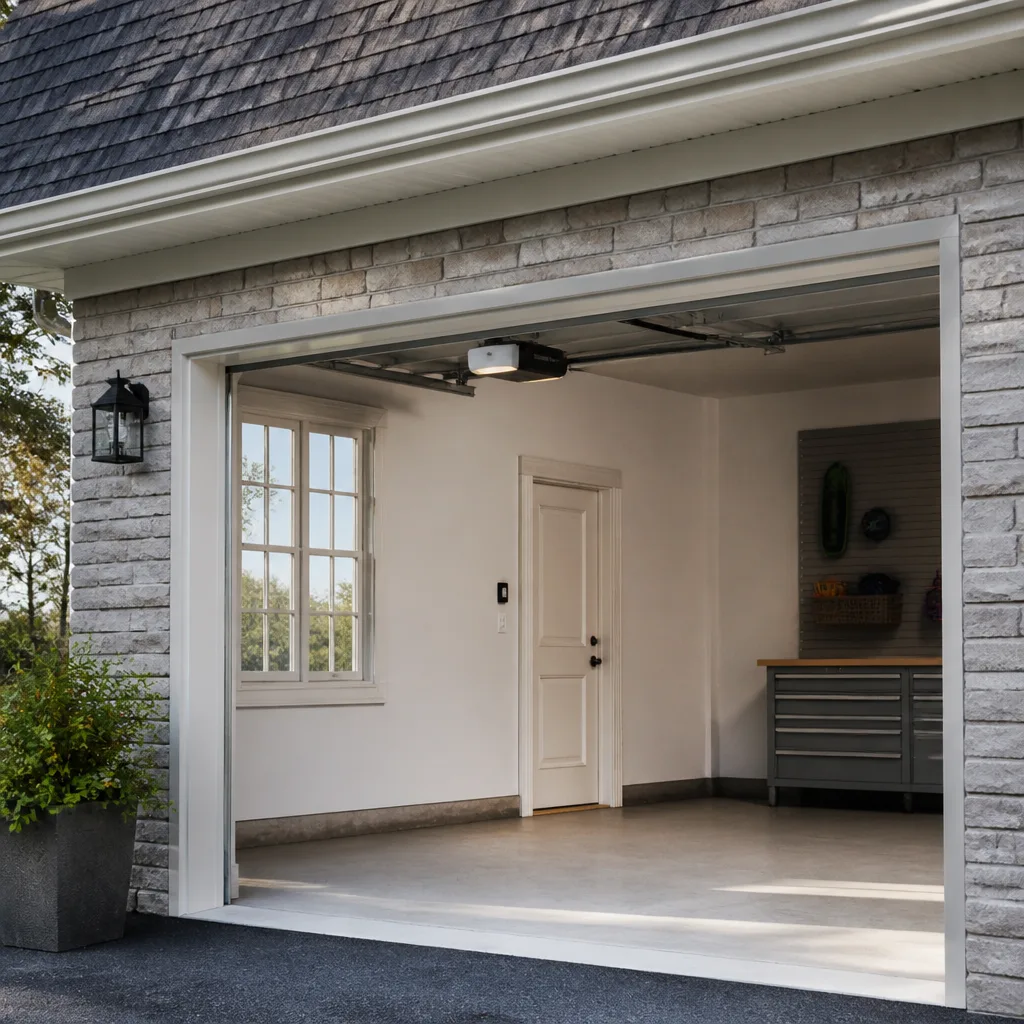 LiftMaster openers
 Chamberlain openers
Full 25-point door and opener safety check with every visit - springs, cables, rollers, tracks, and your LiftMaster or Chamberlain opener included
You get a price before we start. It does not change when the pro arrives.
Get your free estimateGarage Door Repair Maintenance Checklist for Brockton Homeowners
Most spring failures we see around Brockton don’t come from old age. They come from rust. Moisture in the air works its way into the coils, the metal pits, and the spring snaps long before it should. That’s the part a generic checklist misses. So this guide isn’t a “lubricate everything once a year” list. It’s built around the parts that fail fastest in Brockton’s weather, and around the order they fail in. You’ll learn which components to watch, which tests you can do yourself, which ones to leave alone, and how to pace the work across a Brockton year instead of cramming it into one weekend. Garage doors are all we do, and we’d rather you catch these things early than call us on a bad morning.
Quick Answer
A working garage door maintenance checklist in Brockton should focus on rust-prone hardware, moving joints and the bottom seal before it focuses on appearance. Check your springs for orange dust and pitting, lubricate rollers, hinges and tracks with a cold-rated product, and test the bottom seal for drafts before winter. Anything involving springs, cables or the high-tension parts of the door belongs with a trained technician.
Styles & brands we work with
- Raised-panel steel
- Carriage house
- Modern flush
- Full-view glass
- LiftMaster openers
- Chamberlain openers
Table of Contents
- Why Generic Garage Door Checklists Fall Short in Brockton
- Which Parts Corrode First, and What the Early Signs Look Like
- The Right Lubricants for Cold-Weather Climates
- Testing Your Bottom Seal Before Winter
- Cable Inspection: What You Can Check and What You Shouldn’t
- Your Month-by-Month Garage Door Calendar for Brockton
- Openers Need Their Own Maintenance Cycle
- What Garage Door Maintenance and Repairs Cost in Brockton
Why Generic Garage Door Checklists Fall Short in Brockton
Plenty of maintenance guides are written for a national audience. They assume a neutral climate, a fresh door, and a homeowner with a can of spray lubricant and a free afternoon. None of that describes a typical garage in Brockton through a full year.
Brockton sits in a part of Massachusetts where the calendar moves hard between seasons. Winters are cold and long enough to matter for metal and rubber. Summers carry enough humidity that anything unpainted or unprotected starts to show it. Add the road salt that lingers around driveways and the splash-back that comes with wet weather, and you have a garage that sees real wear from two directions. Rust creeps into hardware in the wet months, then cold contracts everything and makes loose fittings looser.
That combination changes the order of the work. A national checklist tells you to lubricate everything and call it a year. Here, the checklist should start with the metal that corrodes first, move to the rubber seals that dry out and crack, and only then get to the cosmetic maintenance. If you clean and paint the door while ignoring the torsion spring that’s already pitting, you’ve polished the outside of a problem.
Not every Brockton home is the same either. Garages close to the older residential blocks and homes near the downtown area see more road moisture and splash, while detached garages get more direct weather on all four sides. The more exposure a door gets, the more often it needs a hands-on inspection. A good checklist lets you adjust the interval rather than following a fixed schedule.
We work on doors across the full range of residential brands, so we see how the same basic hardware ages in different ways. A LiftMaster opener paired with a Clopay door reacts differently over a wet Brockton winter than a Chamberlain system on an older door with hardware that’s already been through a decade of weather. The component aging is the same story, told at different speeds.
Which Parts Corrode First, and What the Early Signs Look Like
Corrosion in a garage door doesn’t announce itself. It starts as a dull film, then a color change, then a rough patch, and by the time most homeowners notice they’re already close to a failure. Knowing where to look, and what the early signals look like, is most of the battle.
The torsion springs are the number one witness. They’re under immense tension, they carry the most weight, and moisture finds its way into the coil gaps where it can’t easily escape. The early signs are visible:
- Orange-brown film on the coils. A fresh spring is clean and smooth. Rust begins as a light dust or tint on the surface.
- Pitting. Small rough spots or divots on the coil where metal has started to flake away.
- Powder-like residue. A dry reddish dust under the spring or in the track is an early warning. It’s the material the spring is shedding.
- Discoloration at the ends. The points where the spring attaches to its cones or shaft are often where rust sets in first.
Hinges and rollers come next. The pins inside hinges, and the bearings in steel rollers, are small moving parts that hold moisture between surfaces. If you hear a squeak or creak that wasn’t there a month ago, that’s usually the start. Rollers on steel or nylon can also develop flat spots where they’ve sat against the temperature-swollen track.
Track hardware is the third. Tracks are usually galvanized, so they resist rust better, but the brackets and bolts that hold them to the frame don’t. Rusted bolts loosen under the vibration of a moving door, and a loose bracket lets the track shift out of alignment.
Beyond the metal, rubber parts are the other big factor. Bottom seals, weatherstripping and the rubber around windows dry out, then crack, then stop sealing. That change happens faster than most people expect.
This is where specialist experience pays off. Our technicians have up to 12 years of experience, and they can look at a Brockton door and tell you in a minute whether the hardware has rotated into trouble or is just a little dusty. If you’re not sure what you’re seeing, that’s what we’re here for. If you’d like a trained eye on it, garage door repair is always a free estimate away.
The Right Lubricants for Cold-Weather Climates
Here’s the counterintuitive part: the spray can most people grab first can make things worse. WD-40, in its classic form, is a solvent and light oil meant to displace moisture and loosen stuck fasteners. It’s not a long-term lubricant for moving parts. On cold-weather hardware, it thins out at low temperatures, collects dust, and evaporates away. Two months later the joint is drier than when you started.
What you want instead is a product designed to stay in place and stay slippery at low temperatures. Three options are worth keeping in the garage:
- Lithium grease (white lithium). Thicker, sticks well, and holds up to cold. Good for slide tracks and hinges.
- Silicone spray. Dry, clean, and doesn’t collect grit. Good for rollers, hinges, and any spot you don’t want attracting dirt.
- Specialty garage door lubricant. Formulated for the moving parts of a door specifically. Many homeowners keep a can handy for hinge pins, roller bearings, and the opener rail.
Where the lubricant goes matters as much as what it is. Apply to the hinge pins, the roller bearings, the bearings inside the top and bottom brackets, and the opener rail. On the opener rail, follow the manufacturer’s recommendation – some rails prefer a lighter product than others. Wipe away excess so it doesn’t attract grit in the warm months.
Two places to be careful with. Don’t over-lubricate the track itself; the track is a guide, not a sliding surface, and big grease deposits attract dust and cause rollers to slide rather than roll. And never spray lubricant on the torsion springs of a door in service. Those springs are under high tension, and anything that loosens your grip or encourages slipping while you’re near them is a safety issue. Ask your technician about spring care specifically.
Your brand matters here. If your opener runs on a Genie or Chamberlain system, the rail’s lubrication needs can differ from a Raynor or LiftMaster setup. It’s worth reading the manual for your exact unit before you apply anything. If the opener is making noise or the down force feels inconsistent, that’s a separate topic – our garage door opener repair page covers how drive-system issues differ from door issues.
Testing Your Bottom Seal Before Winter
The bottom seal, that rubber strip along the base of the door, takes more abuse and gets less attention than any other part. It’s the first line against draft, water, insects and cold air. By the time it’s visibly cracked, it’s been failing for months.
Most homeowners check the seal by looking at it. That misses the point. The seal’s job is to press firmly against the floor, and a strip can look fine and still be leaking air underneath. Here’s the draft test most people skip:
- Pick a cold day or a windy day. A temperature difference or a breeze makes the leak visible.
- Close the door fully. Listen for whether it sits flat or has a light gap at one corner.
- Stand inside the garage and hold a thin strip of tissue, or your hand, at floor level. Run it along the full length of the seal, corner to corner.
- Feel for drafts. Any moving air, or a tissue that flutters, tells you the seal has lost contact at that point.
- Look at the seal from the outside. Press on it gently along its length. It should feel springy and continuous, with no flat spots, cracks, or hard patches.
A seal that’s dry, cracked, or no longer touching the floor should be replaced before the cold sets in. In Brockton, seal replacement before winter pays back quickly in heat retention and prevents water from creeping under the door and sitting against the bottom panel.
There’s a lesser-known point on this. The bottom seal and the bottom panel are a system. A seal that’s working properly keeps water away from the panel, and a panel that’s started to rust at the bottom seam will often have a failing seal above it. If you spot rust at the base of the panels, check the seal first.
If you’re unsure whether the seal is at the end of its life, replacing it is not a big job, and it’s one of the least expensive fixes on the door. Small investment, big change in how the garage feels and how the door performs.
Cable Inspection: What You Can Check and What You Shouldn’t
Garage door cables are the part that most deserves respect. They’re wound around drums at the top of the door, tightened to many hundreds of pounds of tension, and they unwind with force if they ever fail. So the rule is simple: you can look, you can listen, you can note. You don’t take them apart.
What a homeowner can safely check:
- Visual condition of the cable itself. Look for frayed strands, kinks, or a birdcage-like separation where the strands are unwinding.
- Rust. Cables that have started to rust are weaker than they look.
- Cable slack on one side. If one cable hangs looser than the other with the door closed, the door isn’t level and the cables are under uneven tension. Stop using the door and call a technician.
- Wear at the drum. The cable should wind cleanly around the drum without crossing over itself. Overwrapping is a warning sign.
- The sound. A snapping, popping or grinding noise as the door moves can come from the cables or the rollers. If it’s new and it’s loud, stop using the door and get it looked at.
What you don’t do: don’t touch, adjust, or try to rewind a cable that has slipped. Don’t push a drum back into place. Don’t try to remove the tension to “inspect” further. Cable tension is tied directly to spring tension, and any part of that system can seriously injure you if it releases unexpectedly. This is exactly the kind of work that should go to a trained technician whose tools and technique are set up for it. It’s also a core reason a specialist matters more than a generalist on this job.
Cables are one of the parts we look at first, along with springs, when we arrive on a Brockton call. Our technicians have up to 12 years of experience, and they can tell quickly whether a cable has been uneven for a while or is at the end of its life. If your door is making a new noise, or a cable looks suspicious, call (844) 329-8773. We answer 24/7. Fast dispatch from 7am to 7pm, Sunday through Friday.
Your Month-by-Month Garage Door Calendar for Brockton
A four-season template doesn’t match how Brockton actually behaves. Some winters push into spring, some springs go straight to hot, and the wet season can arrive in bursts. So instead of “spring, summer, fall, winter” tasks, here’s a calendar keyed to the part of the year that actually stresses each component. It’s a rhythm, not a rulebook. Use it as a starting point and adjust to what you see.
- January – February: minimize and observe. Cold contracts metal, and the door is doing the most work in the harshest weather. Don’t hose down the door. Listen for new sounds, watch for the door slowing or reversing before it reaches the floor, and keep the opener’s safety sensors clear of snow and ice build-up. Note anything that changes.
- March – April: post-winter inspection. Once temperatures lift, do a full look. This is the wet season for a lot of the region, and any rust that started in winter will be visible now. Check the springs for new orange tint, examine the hinges and rollers, run the draft test on the bottom seal, and confirm the door sits level when closed.
- May – June: lubrication and adjustment pass. This is the best time for the main lubricant service. Apply cold-rated products to hinges, roller bearings and the opener rail. Wipe off any excess. Check that the tracks are clean and the door moves without binding.
- July – August: seal and weatherstripping spot-check. Summer heat and humidity are hard on rubber. Look at the bottom seal and window seals for cracking. If a seal is dry, replace it before the cool months.
- September – October: the pre-winter checklist. Do the draft test on the bottom seal. Lubricate the moving parts again so they’re fresh for the cold. Clean the tracks, inspect hinge bolts for tightness, and check the door’s balance: raise it to halfway and release. It should stay put. If it slides down, the springs are losing tension.
- November – December: safety-system test. Test the opener’s safety reverse on a regular basis through the cold months. Place a small object on the floor in the door’s path and confirm the door reverses. Test the openers’ force settings per the manual. Check hinges for cold-weather squeaks and roll the door a few extra times in the week to catch early sticking.
Two things are worth repeating for each of those entries. First, spring work stays with a technician. Second, when you spot something in a monthly check that’s outside your safe lane, write it down and get it looked at rather than ignore it. That’s what keeps maintenance from turning into emergency repair.
If your door needs that kind of attention and you want one visit to handle it, our team covers the full lifecycle of the door, panels through opener, so you’re not calling one person for the track and another for the opener. If you’re near the downtown or the more residential blocks of Brockton, Brockton has its own page with more detail on how we approach local work.
Openers Need Their Own Maintenance Cycle
The door is one system and the opener is another. Most of the maintenance checklist covers the door. The opener gets less attention, and it’s one of the parts we get called about most. A door can be in fine shape and the opener can still fail from something as simple as a binding drive, a rail that’s dried out, or a force setting that’s been creeping.
What a homeowner can do on a routine basis:
- Lubricate the rail and the chain or belt. Follow the manual for your unit. A dry rail makes everything harder.
- Test the safety reverse. Place a small, solid object in the door’s path. The door should reverse immediately. Do this regularly.
- Test the force setting. Close the door by hand and open it by hand. If it feels unusually stiff or unusually easy, the opener’s force settings may be out of sync with the door. Many manuals describe how to check this safely.
- Check the sensors. Make sure the two small sensors at the base of the tracks are aligned, clean, and not blocked by objects, trash cans or snow.
- Listen for the opener. Grinding, humming without moving, or traveling at uneven speed are all signals to look closer.
Openers on the major brands behave differently, and the right service depends on which you have. A LiftMaster or Chamberlain unit, a Genie chain drive, or a Raynor opener each has its own service points. Our team works across all of them. When something doesn’t move correctly, we troubleshoot the drive system itself as part of the same visit. You’re not sent to a different company or told your brand “isn’t supported.”
If the opener is the only thing wrong, keep the door off the opener while it’s being looked at. Running a struggling drive motor repeatedly wears it faster and can strain the door’s hardware through the linkage. If you’d rather just have it checked, our specialists handle opener service as a standalone category. Call (844) 329-8773 and we’ll get it on the schedule.
What Garage Door Maintenance and Repairs Cost in Brockton
Maintenance is one of the best investments you can make on a door, and the costs are predictable. The estimates below are typical for the Brockton area, and the written estimate you get from us sets the final price once we’ve seen the door. Nothing starts until you’ve agreed to it.
| Job | Typical cost range in Brockton | Notes |
|---|---|---|
| Routine tune-up and lubrication | Estimated at $90-$160 | Lubrication, track check, balance check, safety reverse test |
| Bottom seal replacement | Estimated at $100-$180 | Includes seal material and fitting |
| Hinge or roller replacement | Estimated at $120-$220 | Per side or per set, depending on the door |
| Torsion spring replacement | Estimated at $180-$340 per spring | Matched pairs are usually replaced together, so the pair costs about twice the single-spring figure |
| Cable replacement | Estimated at $150-$280 | Includes tension reset and safety check |
| Opener repair | Estimated at $120-$300 | Drive system, force settings, sensors, rail work |
The ranges are estimates because the job decides the price. A door with several rusted hinges and a dry seal is one visit. A door with a snapped spring and a bent track on the same visit is a very different one. That difference is settled by the written estimate, which you receive before any work begins. The estimate is free, and the price is set per job.
One thing that doesn’t change the price in our world: same-day work. On this trade, the price is set per job by the written estimate, not by how quickly you called. If your spring has already broken, call (844) 329-8773 and we’ll get you the next opening. We answer 24/7. Fast dispatch from 7am to 7pm, Sunday through Friday.
Common Mistakes to Avoid
- Spraying WD-40 on the moving parts and calling it done. It’s a moisture displacer, not a long-term lubricant, and it thins out in cold. Two months after application, joints are drier than before. Use a cold-rated product meant for these parts.
- Lubricating the tracks themselves. The track guides the roller; it doesn’t slide against it. Heavy grease on the track attracts grit and can cause rollers to slide. Clean the track instead of greasing it.
- Ignoring early rust on the springs. That light orange film is the start of the process that turns into a snapped spring on a cold morning. By the time you’re calling, it’s already too late for the visual check. Catch it when it’s a tint, not a pattern.
- Doing the draft test the wrong way. Looking at the seal doesn’t tell you if it’s sealing. You need to feel the airflow at floor level with the door closed. That’s the part most homeowners skip, and it’s the test that matters before winter.
- Testing balance without knowing what “balance” means. Raise the door halfway and let go. It should hold. If it drifts down, the springs have lost tension. If you’re not sure the door is safe to release, leave the test alone and have someone who is trained check it.
- Over-tightening hinge bolts. A hinge bolt that’s too tight on a cold Brockton day can strip the bracket or distort the hinge. Snug is correct. Let a technician check the torque if you’re not sure.
- Waiting until the opener won’t move at all. A struggling motor is telling you something. Binding rails, force settings creeping out of sync, and worn drive parts all give clear signals first. Repair is almost always cheaper and simpler than replacement.
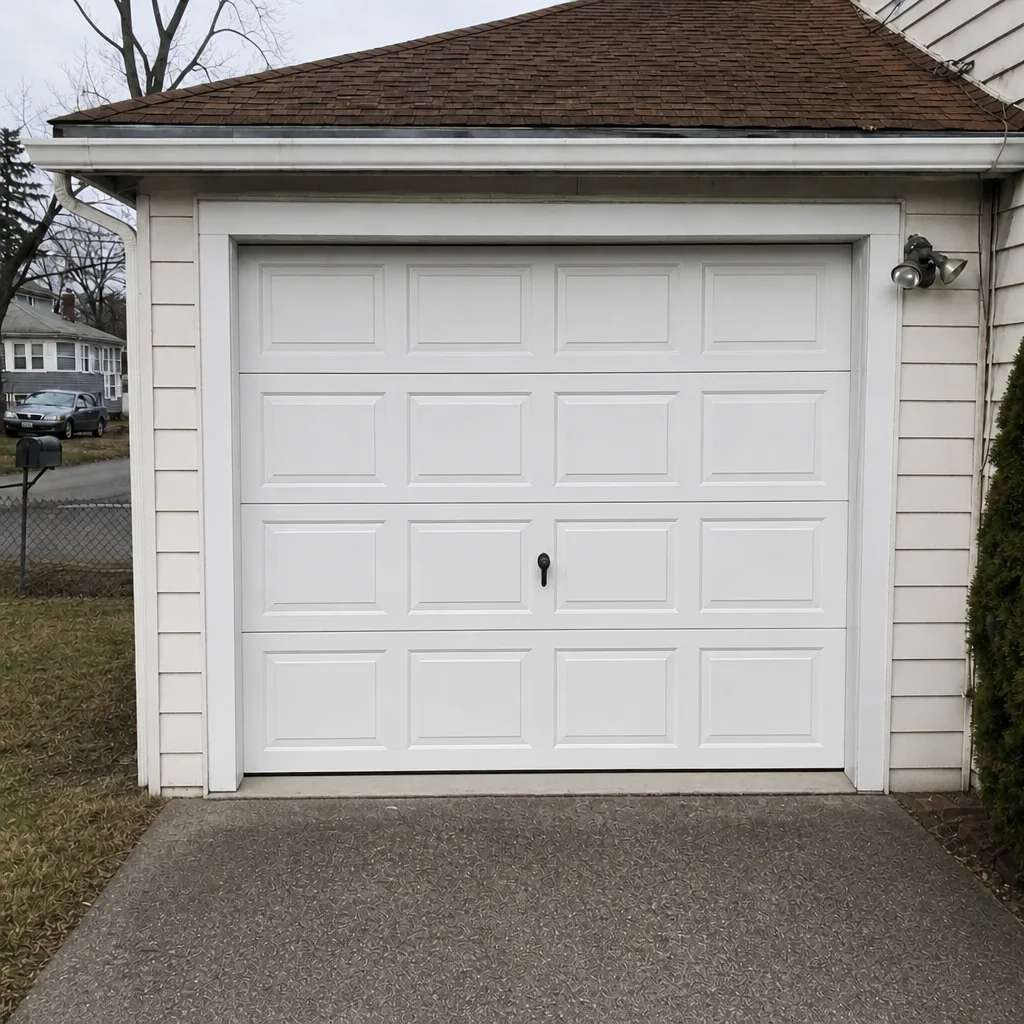
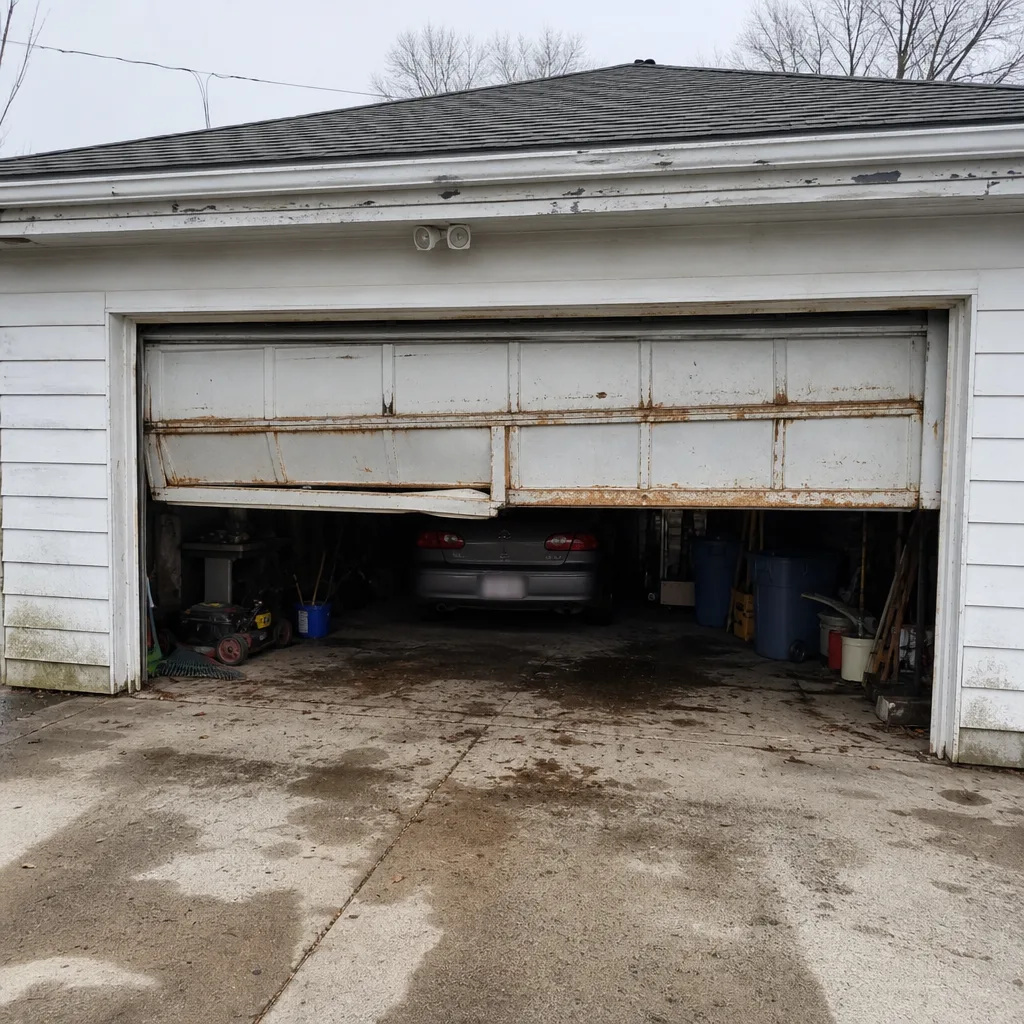
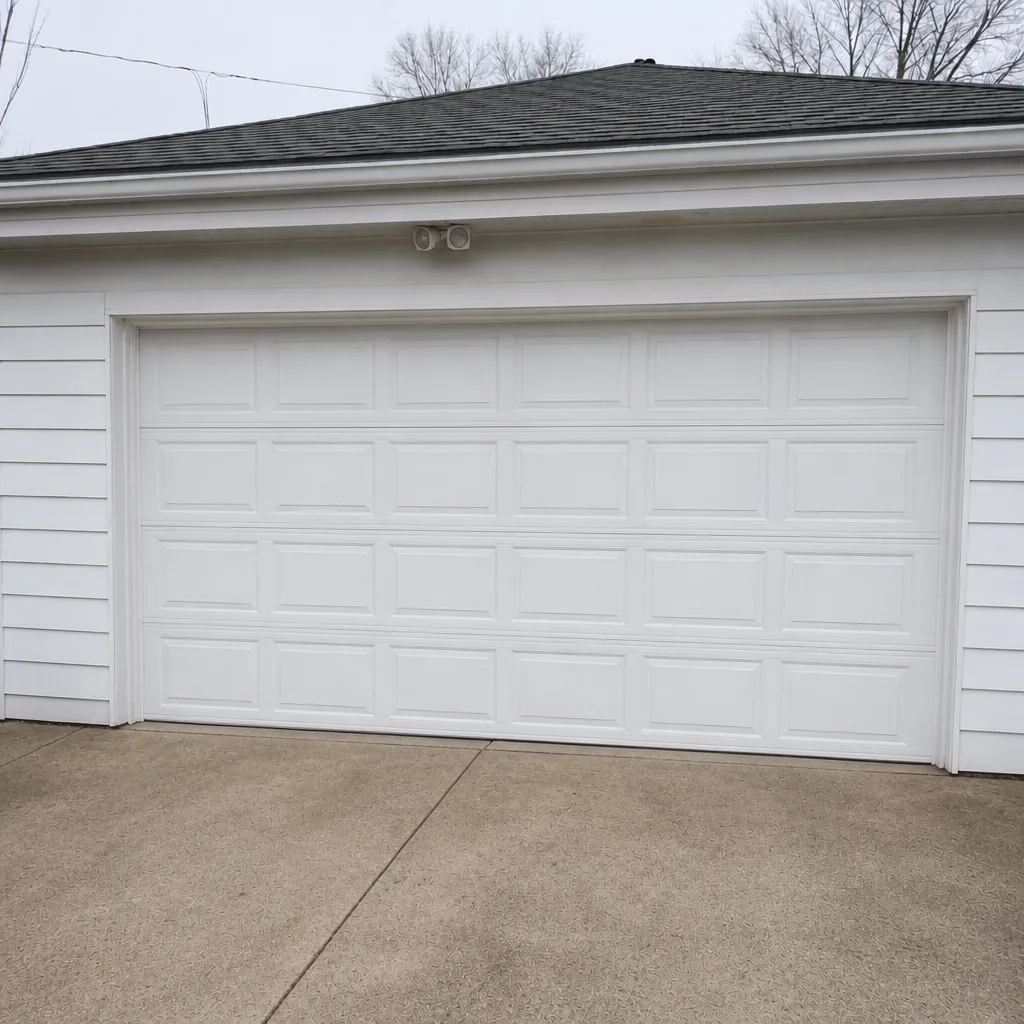
See the difference
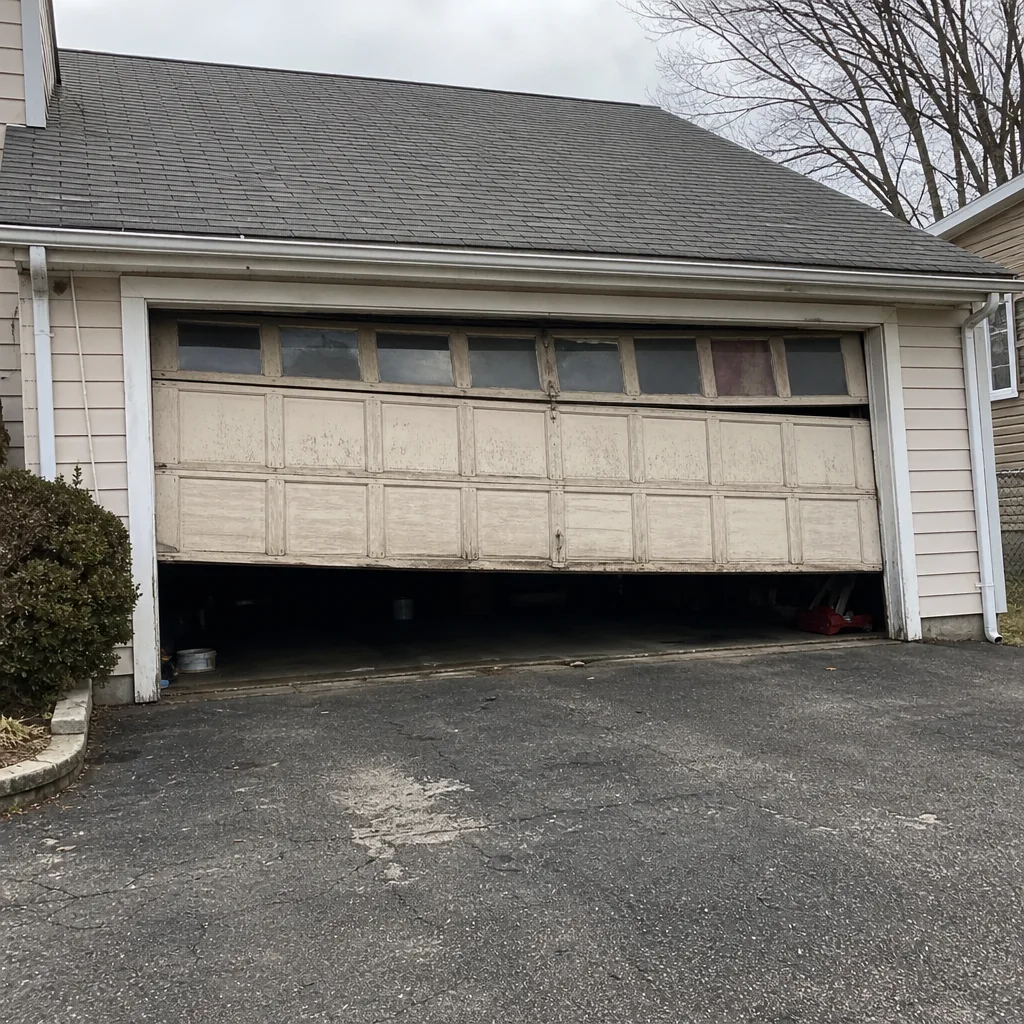 Before
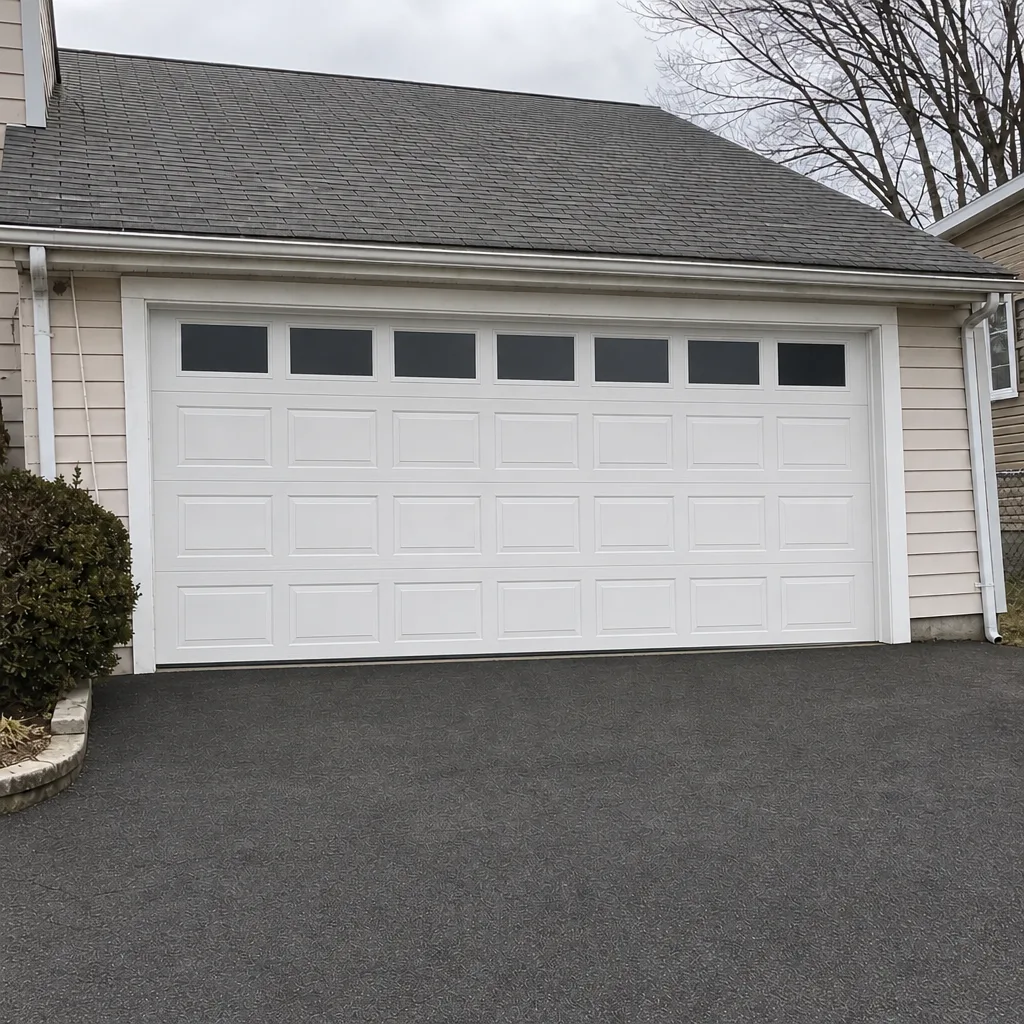 After
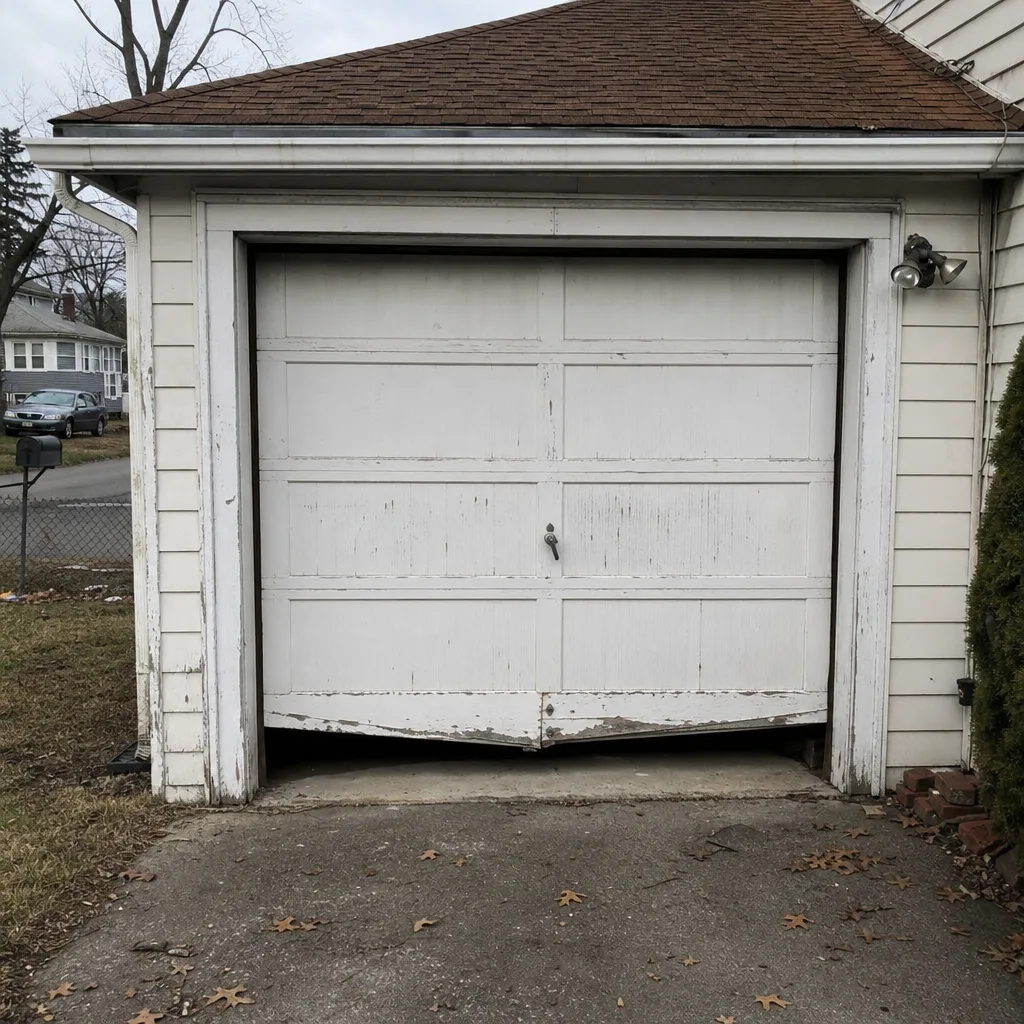 Before
 After
 Before
 After
When to Call a Professional
Some jobs belong with a trained technician, and it’s better to know which before something goes wrong. Call a professional when a torsion spring has broken or shows visible rust and pitting, when a cable looks frayed or is hanging unevenly, when a track has bent or shifted, or when the door is off its balance and no longer holds at the halfway point. Call as well when the opener runs but the door doesn’t move, when the safety reverse test fails, or when a hinge bracket has pulled loose from the frame. None of those are jobs to work around with hand tools. Laurel Garage Door Repair offers free estimates in Brockton – call (844) 329-8773. Same-day service is often available, the estimate is free, and the price is quoted and agreed before any work starts. If you want to know what we do in detail, the Laurel Garage Door Repair home page has the full list of who we serve and what we cover.
Frequently Asked Questions
Twice a year is the practical minimum for most Brockton homes, with a full inspection in spring after winter and a second pass in fall before the cold. Doors near the more exposed edges of the property, or detached garages, benefit from a third quick look in late summer. A seasonal routine catches rust and seal failure earlier than an annual one.
An orange-brown film on the coil, rough pitting, or a dry reddish dust under the spring. Those are the early signs of rust, which is the leading cause of spring failure in this climate. A spring that has snapped will show a clear gap in the coil or a door that won’t lift without the opener straining. Call (844) 329-8773 for an exact quote. Estimates are free.
You can look at them and listen for new sounds. You can note frayed strands, kinks, or one cable hanging looser than the other. You should not touch, adjust, or try to rewind a cable under any circumstances. Cable tension is tied directly to the spring system and can cause serious injury if released. Leave that work to a technician.
Often, but not always. Lubricating hinge pins, roller bearings and the opener rail with a cold-rated product quiets a door that’s dried out. If the noise continues after that, it’s usually coming from a worn roller, a loose bracket, or the opener itself. In that case, the fix is a replacement of the worn part, not more lubricant.
Close the door and feel for drafts at floor level with your hand or a thin strip of tissue. If air moves, or the seal has visibly cracked and no longer presses on the floor, it’s time. Replacing it before winter is the priority in Brockton – the seal does most of the work of keeping heat in and water out.
Yes. Our technicians are trained, licensed and insured, and they work on garage doors exclusively. That matters because the parts that go wrong most often – springs, cables, tracks – are the parts that require specialty experience to adjust safely. Call (844) 329-8773. We answer 24/7. Fast dispatch from 7am to 7pm, Sunday through Friday.
The Bottom Line
A maintenance checklist for a Brockton garage door has to start with what fails first. Rust in the springs, dried-out seals and worn hinge hardware are the real culprits, and they’re the things a national checklist tends to brush past. Get those right – lubricate with cold-rated products, test the bottom seal before winter, look at your springs for early signs – and the big breakdowns get pushed back. Leave the spring and cable work to a trained technician and you’ll get years of clean operation out of the door. If you’d rather have someone look at it, call (844) 329-8773 for a free estimate.
Written by the team at Laurel Garage Door Repair.