
Last updated November 15, 2026
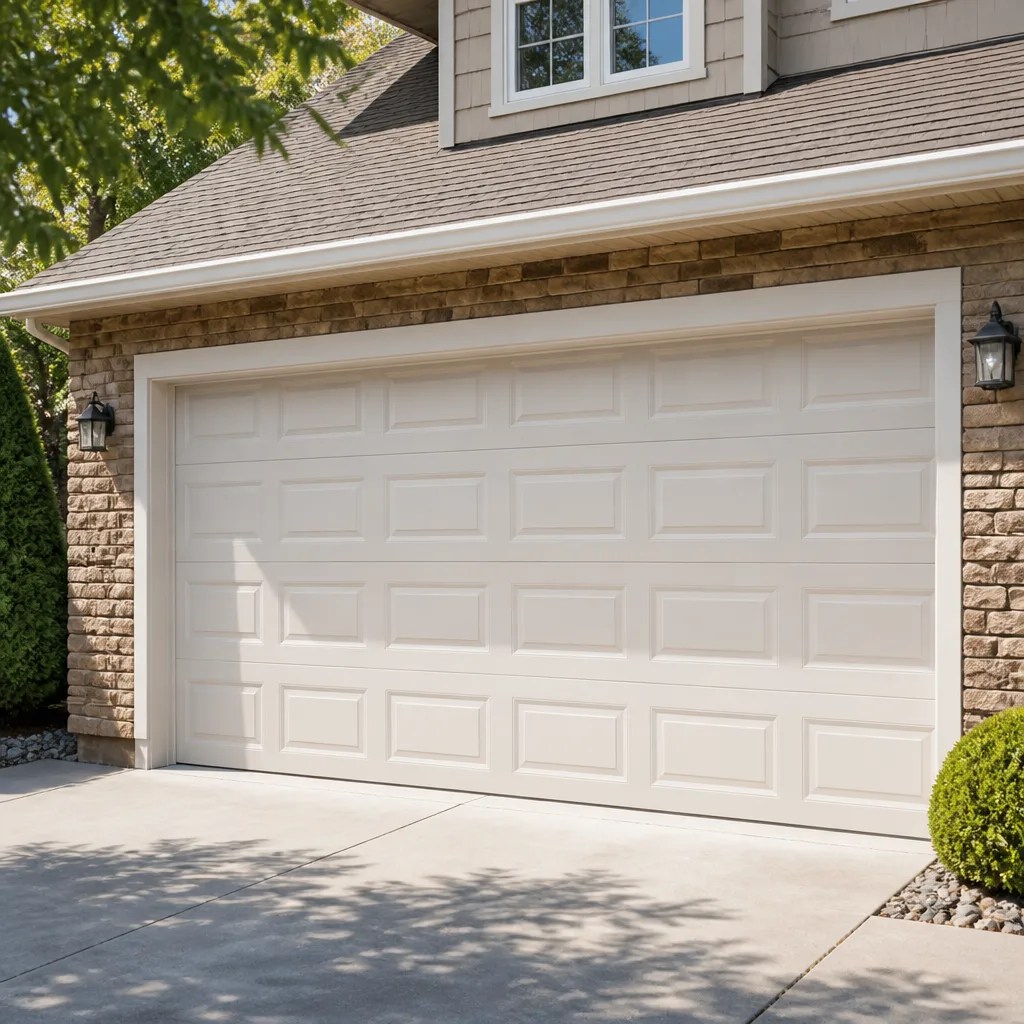 Raised-panel steel
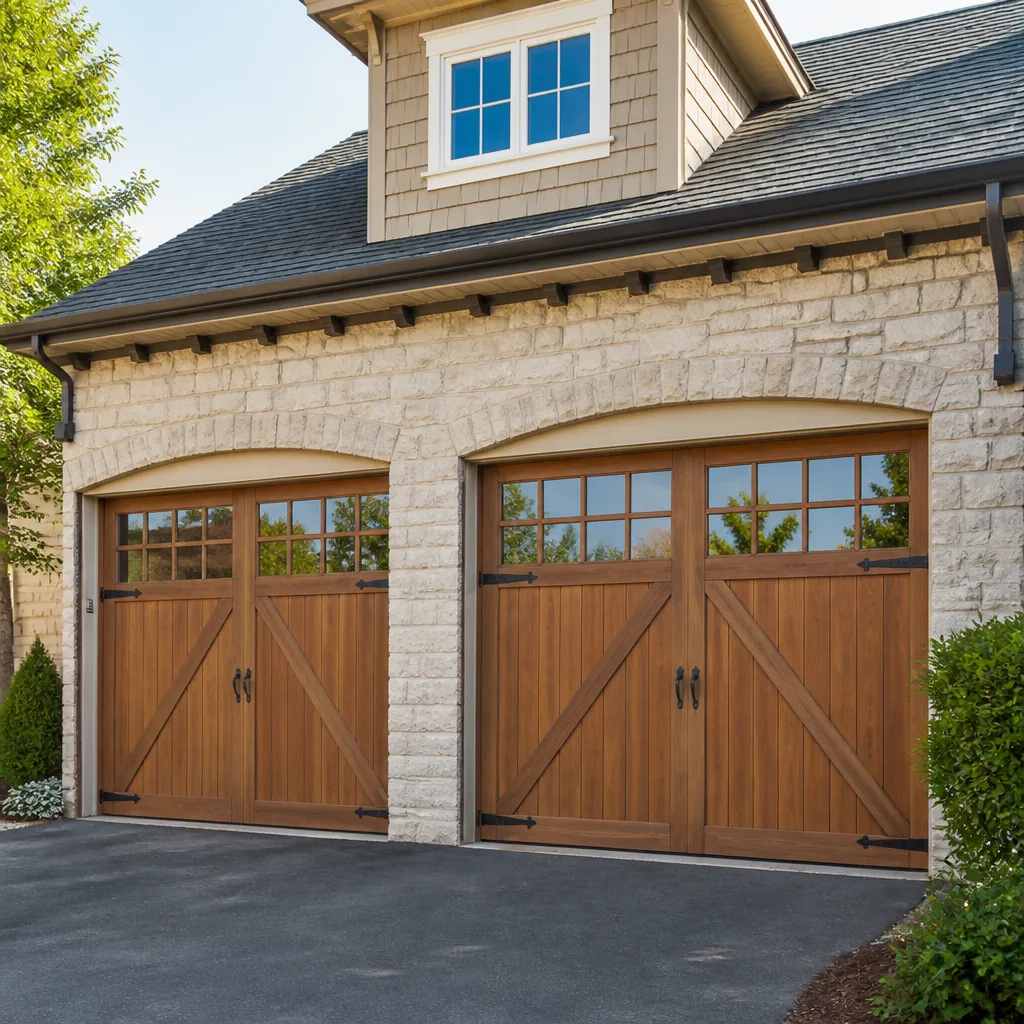 Carriage house
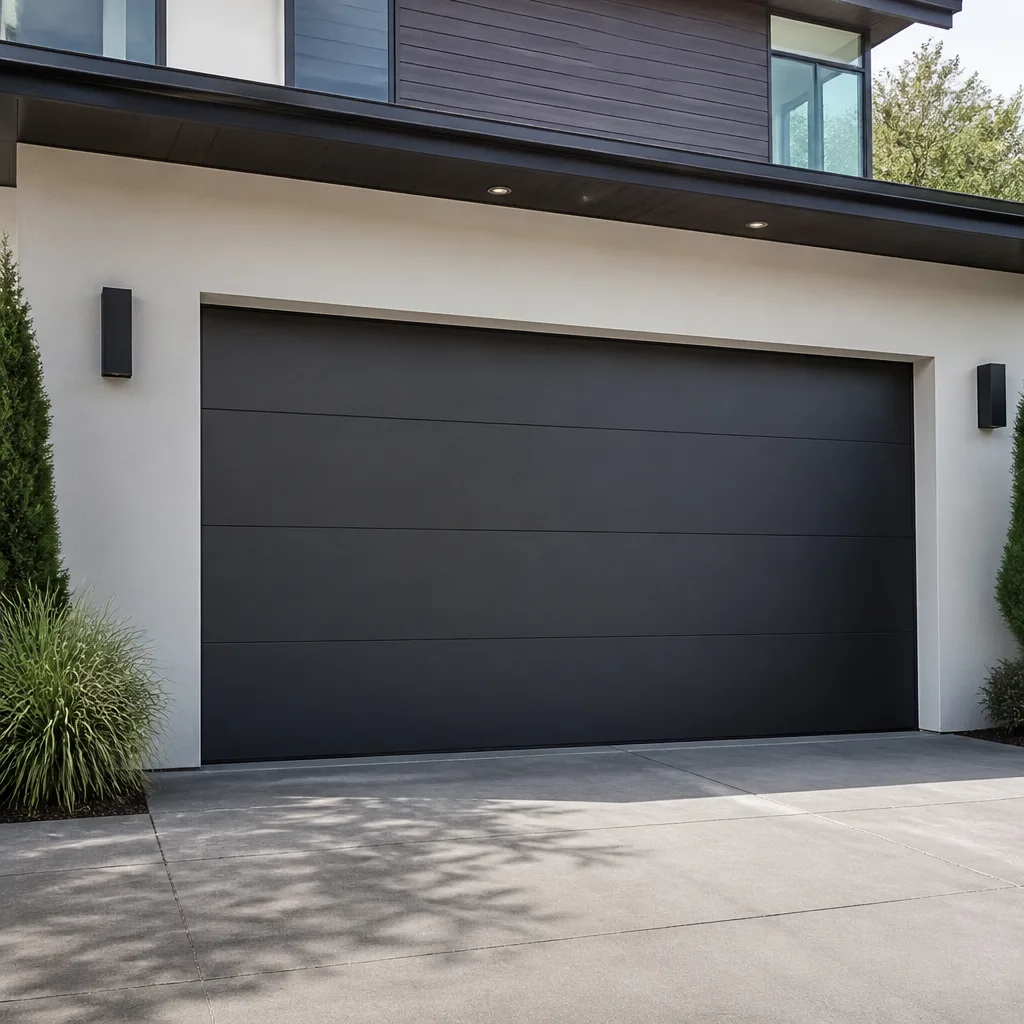 Modern flush
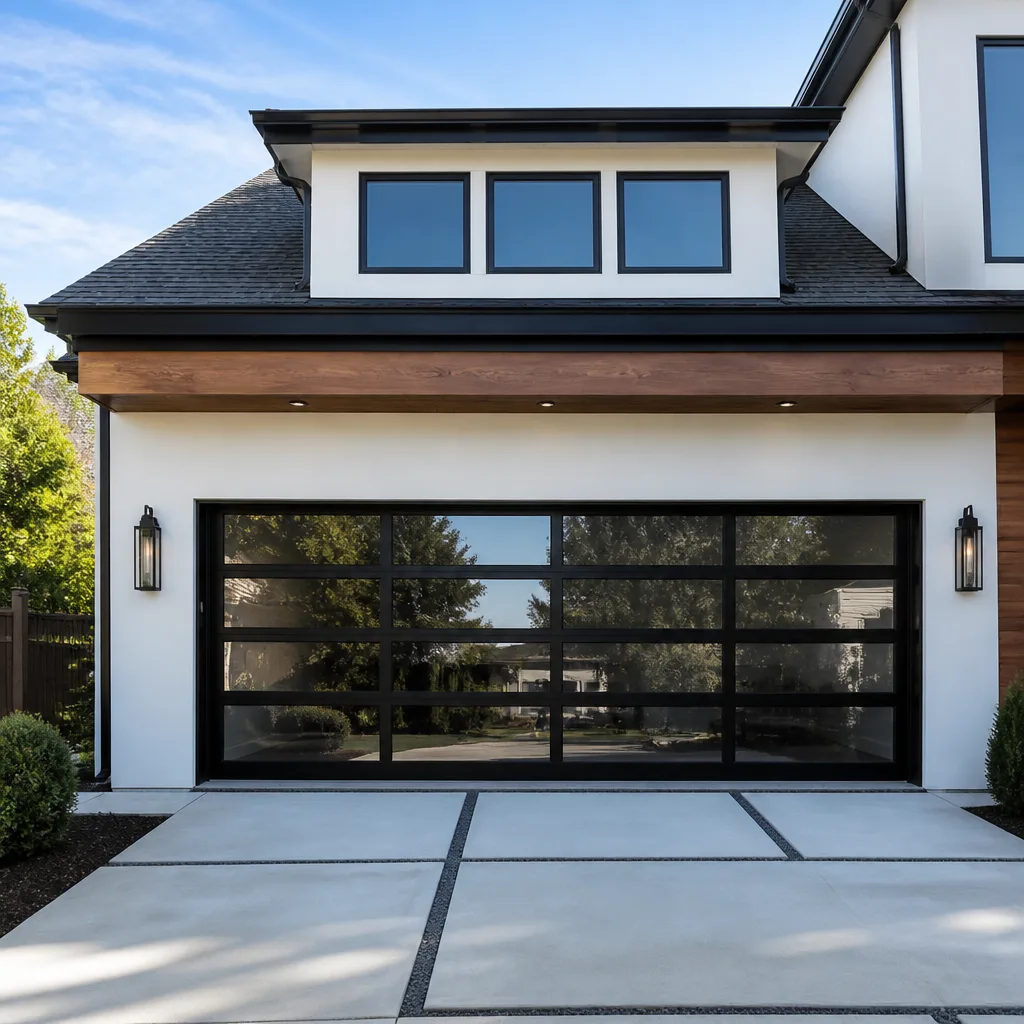 Full-view glass
 LiftMaster openers
 Chamberlain openers
Full 25-point door and opener safety check with every visit - springs, cables, rollers, tracks, and your LiftMaster or Chamberlain opener included
You get a price before we start. It does not change when the pro arrives.
Get your free estimateGarage Door Permits, Codes & Inspections in Brockton, MA: What You Need to Know
Most Brockton homeowners assume replacing a garage door is a no-permit job, and plenty of contractors are happy to let them keep believing it. The truth is messier. Massachusetts building code and the way Brockton’s building department reads a permit application both hinge on details most people never think about: whether the opening changes size, whether the door is fire-rated, whether the header gets touched. Get those details wrong and you may not find out until a buyer’s inspector flags it years later. This guide walks through the triggers, the inspection process, and the paperwork that protects you at resale and at claim time.
Quick Answer
In Brockton, MA, a straightforward like-for-like garage door replacement on a single-family home usually does not require a building permit, but any change to the opening size, the structural header, or a fire-rated door between an attached garage and living space does. When in doubt, call Brockton’s building department directly and describe the scope before work starts. The permit question is worth settling up front, because retroactive permitting is slower and costlier than pulling one before the job.
Styles & brands we work with
- Raised-panel steel
- Carriage house
- Modern flush
- Full-view glass
- LiftMaster openers
- Chamberlain openers
Table of Contents
- What Triggers a Permit Under Massachusetts Code
- How Brockton Reads “Like-for-Like” Replacement
- Fire-Rated Doors Between the Garage and the House
- What a Garage Door Inspection Actually Covers
- What a Failed Inspection Looks Like and How to Fix It
- Getting Your Certificate of Completion
- Why This Matters at Resale and for Insurance
- Choosing a Contractor Who Knows the Rules
What Triggers a Permit Under Massachusetts Code
The Massachusetts State Building Code, commonly cited as 780 CMR, governs residential construction across the state, and Brockton enforces it through its own building department. The code doesn’t single out “garage door” as its own permit category. Instead, garage door work falls under the general rules for alterations to a structure. That’s why the permit answer depends entirely on what you’re changing.
Here’s the practical breakdown of what usually triggers a permit in Brockton:
- Changing the rough opening size. Widening or raising the opening means cutting into the header and framing. That’s structural work, and it needs a permit and typically an inspection.
- Replacing or modifying the header. Any change to the beam carrying the load above the opening is structural and permit-triggered.
- Converting a non-fire-rated door to a fire-rated assembly between an attached garage and the house, or changing its rating.
- Adding a new opening to a wall that didn’t have one, such as converting a solid wall into a garage bay.
- Work on a door that’s part of a required fire separation in a multi-family or attached structure.
What usually does not trigger a permit: swapping a same-size door for another same-size door of the same material and rating, replacing springs, cables, rollers, or tracks, and servicing or replacing a garage door opener on an existing door. Those are maintenance and equipment swaps, not structural alterations.
Our technicians have up to 12 years of experience, and the single most common permit question we field in Brockton is some version of “do I need one for this?” The honest answer is that it depends on the scope, not the address. If your job touches framing, the opening, or fire separation, treat it as permit-worthy until the building department tells you otherwise.
How Brockton Reads “Like-for-Like” Replacement
Brockton’s building department, like most in Massachusetts, applies a common-sense reading to “like-for-like.” The idea is that if you’re replacing an existing door with one of the same size, same type, and same rating, and you’re not altering the structure around it, you’re doing maintenance rather than construction. That work typically sails through without a permit.
The trouble is that “like-for-like” is narrower than most homeowners expect. Here’s how the boundaries usually fall:
- Same opening size: a 9-foot-wide door comes out, a 9-foot-wide door goes in. No framing changes. Usually no permit.
- Different opening size: going from a single door to a double, or raising the height. Framing changes. Permit required.
- Same door, new material and weight: swapping a light wood door for a heavy insulated steel or composite door of the same size. This is often still like-for-like if the opening and header stay the same, but the spring and track system has to be re-engineered to handle the new weight. That’s a technical job, not a permit question.
- Fire-rated to non-fire-rated: replacing a rated door with an unrated one. This is not like-for-like, and it’s a code violation even if no one catches it at the time.
In our experience, the “new material and weight” case is where homeowners get surprised. A Clopay or Amarr insulated door can weigh dramatically more than the old hollow door it’s replacing. The opening didn’t change, so the permit question is simple, but the spring, track, and opener all need to match the new load. Skipping that step is how doors end up sagging or failing early.
If you’re ever unsure which side of the line your project sits on, describe the exact scope to Brockton’s building department before you order the door. That one phone call settles it, and it’s far cheaper than a retrofit later.
Fire-Rated Doors Between the Garage and the House
This is the code point most contractors skip, and it’s the one that matters most for safety. When a garage is attached to a house, the wall and door between them form a fire separation. The purpose is to slow a fire in the garage long enough for people to get out of the house. That separation has requirements, and a garage door that’s part of it has to meet them.
What that means in practice:
- The door between an attached garage and the living space has to be fire-rated to the level the code requires for that separation. A standard hollow-core interior door doesn’t meet it.
- If that door is self-closing or has a specific rating, replacing it with an unrated door or removing the self-closing hardware is a code violation, whether or not anyone inspects it.
- The door has to be in good working condition. A door that doesn’t latch, or that’s been cut down to fit, may not satisfy the separation requirement even if it started life as a rated door.
- Any garage door work that touches a fire-rated assembly is a permit-triggered alteration, not maintenance.
Why does this come up in a garage door guide? Because when homeowners replace an attached-garage door, they sometimes also replace the entry door to the house in the same project, or they alter the wall between the two. If that entry door is part of the fire separation, it has to stay rated. Many contractors who only do garage doors won’t touch it, and many general handymen don’t know the rule. It’s worth flagging to whoever’s doing the work.
We’re a garage-door-only specialist, so we focus on the overhead door and its opener. When a job involves the fire separation between an attached garage and a Brockton home, we tell the homeowner to confirm the requirement with the building department and use a rated door if the code calls for it. Getting that detail right protects you at inspection, at resale, and if there’s ever a claim.
What a Garage Door Inspection Actually Covers
When a garage door job does require an inspection in Brockton, the inspector is not grading your door’s appearance. They’re checking that the work meets code and doesn’t create a hazard. Here’s what typically gets looked at, in the order it usually comes up:
- The opening and framing. Is the rough opening the size called for on the plans? Is the header sized and installed correctly? Is the framing sound and properly attached?
- The door and its rating. Does the door match what was specified, including any fire rating? Is it labeled correctly if it’s a rated assembly?
- The spring and track system. Are the springs rated for the door’s weight? Are the tracks plumb, level, and properly fastened? Is the door balanced, meaning it stays where you put it when raised halfway?
- The opener and safety features. Does the opener have a working photo-eye (the safety reversing sensor) and, where required, a working safety reverse? Does the door reverse when it hits an obstruction?
- The fire separation, where applicable. If the assembly is part of a fire separation, is the rated door in place and functioning, including self-closing hardware if required?
Our garage door repair work regularly includes making a door pass inspection after someone else’s job fell short. The failures are usually predictable: a door that isn’t balanced, a spring that doesn’t match the door weight, or an opener with a dead safety sensor. None of those are cosmetic. All of them get flagged.
One thing to know about Brockton’s housing stock: much of it is older, and many garages were built or modified well before current code. If your garage predates the current fire-separation requirements, an inspector may look at the assembly differently than they would on new construction. That’s why it’s worth asking the building department what they’ll be checking before the inspection, not after.
What a Failed Inspection Looks Like and How to Fix It
A failed inspection is far less dramatic than it sounds. In most cases, the inspector writes up specific items that need correction, you fix them, and the inspector comes back. It’s a checklist, not a court date. The expense is usually the correction work plus a re-inspection, and the time cost is the wait for the re-inspection slot.
The corrections we see most often on garage door inspections in Brockton fall into a few buckets:
- Door not balanced or not operating smoothly. The fix is usually spring adjustment or replacement, plus track alignment.
- Safety sensor not working. The photo-eye is misaligned, blocked, or dead. Usually a quick fix, but it has to actually work, not just be present.
- Spring not rated for the door. The door is too heavy for the spring, or the spring is worn. This gets caught because the door won’t hold position.
- Rated door replaced with an unrated one. This is the expensive correction. The door has to come out and be replaced with a properly rated one.
- Header or framing not per plan. Structural work wasn’t done to spec. This can mean opening the wall back up, which is why it’s worth doing right the first time.
If you’re correcting a failed inspection, work the list in order and get the structural and fire-rating items right first. Cosmetic and operational fixes like spring adjustment are quick to knock out afterward. Our garage door opener repair work often includes correcting safety-sensor issues that were flagged, and we test the reversal function so it passes on the re-inspection.
If the correction involves structural framing or the fire separation, use a licensed contractor for that portion. We focus on the door and opener; the framing and rated-assembly work belongs to someone licensed for it, and the building department will tell you what they expect.
Getting Your Certificate of Completion
When a permitted garage door job passes inspection, the building department issues a certificate of completion. That certificate is the paper trail proving the work was done legally and inspected. It’s one of the most valuable documents a homeowner can keep, and it’s also one of the most commonly lost.
Here’s the sequence, from permit to certificate:
- Pull the permit before work begins, in the name of the property owner or the licensed contractor doing the work. The permit specifies the scope.
- Do the work to the scope on the permit. If the scope changes mid-job, the permit gets amended, not ignored.
- Request the inspection when the work is complete. The inspector reviews the items on the checklist above.
- Correct any items the inspector flags, then request the re-inspection.
- Receive the certificate of completion once the job passes. File it with your closing documents, your homeowner’s insurance paperwork, and any home-improvement records.
The certificate matters for two reasons. First, homeowner’s insurance: some carriers ask for proof of permitted work when a claim involves the garage or the structure around it. Second, resale: a buyer’s inspector who finds work that was done without a permit can flag it, and the closing can stall while it gets sorted. That’s the scenario to avoid, and the certificate is the simplest way to avoid it.
Brockton’s building department handles the paperwork side; ask them for the inspection request process and what they need from you when you call. Keep the certificate in a folder with your other home records. If you ever sell, that folder is worth more than any receipt.
Why This Matters at Resale and for Insurance
Here’s the part that catches homeowners off guard: an unpermitted garage door replacement can sit unnoticed for years and then surface at the worst possible time. A buyer’s home inspector sees the door, sees the age of the framing, asks for the permit, and there isn’t one. Now what should have been a simple maintenance item becomes a negotiating point, a delay, or a retrofit.
Retroactive permitting, sometimes called a permit after the fact, is slower and more expensive than pulling one up front. It involves the building department examining work they didn’t inspect during construction, and it can require opening things up to verify what was done. The homeowner pays for that time and labor. None of it was necessary if the permit had been pulled before the job.
On the insurance side, a claim involving the garage or the structure around it can prompt questions about whether the work was permitted. A certificate of completion answers those questions cleanly. A missing permit invites a longer conversation with the adjuster, and possibly a dispute about coverage.
For Brockton homeowners who live in older houses, there’s an extra wrinkle: it may not be clear whether a prior door replacement was ever permitted, and that’s not your fault. What you can control is the current job. If you’re replacing a door now, do it right, get the certificate, and keep it. That file is what your future buyer’s inspector will see.
Choosing a Contractor Who Knows the Rules
The contractor you choose matters as much as the door. A specialist who does nothing but garage doors will know the permit triggers, the fire-separation rule, and what an inspector looks for. A generalist will know some of it, and may quietly skip the parts that don’t suit them. Here’s what to ask before you hire anyone in Brockton:
- “Does this job need a permit, and will you pull it?” A good answer states the trigger clearly and offers to pull the permit if one is needed.
- “Who does the fire-separation work if the assembly is rated?” The answer should separate garage door work from the rated entry door, and point you to a licensed contractor for the rated assembly.
- “Will you confirm the scope with the building department?” The best contractors do this as routine, not as an extra.
- “What brands do you work on?” We work on Clopay, Amarr, Wayne Dalton, Craftsman, LiftMaster, Chamberlain, Genie, and Raynor, among others, so homeowners aren’t told their brand isn’t supported.
- “Does the price change once you see it?” The written estimate sets the price, and the price is quoted and agreed before any work starts. Get that in writing.
Laurel Garage Door Repair is a garage-door-only specialist: our technicians work on garage doors and openers, not a mix of trades. That focus is why we can tell you precisely when a door replacement is like-for-like and when it’s a permit job. We don’t guess at the fire-separation requirement, and we don’t wave off the permit question to save time on a quote.
We offer free estimates in Brockton and the surrounding area. Call (844) 329-8773 to schedule. The estimate is free, the price is agreed before any work begins, and if the job needs a permit, we’ll tell you up front rather than after.
Common Mistakes to Avoid
- Assuming replacement never needs a permit. Like-for-like usually doesn’t, but change the opening size or the header and the rules flip. Confirm the scope with the building department before you order the door.
- Replacing a fire-rated door with an unrated one. This is a code violation even if it looks fine on the day. The door has to stay rated if it’s part of the fire separation.
- Ignoring the door’s new weight. A heavier insulated door on the same old springs is a failure waiting to happen. The spring system has to match the door.
- Skipping the permit to save time. A retroactive permit costs more and takes longer than doing it right up front. The delay at resale is worse than the delay now.
- Not asking who handles the rated entry door. Garage door specialists and general contractors are different trades. Make sure someone licensed is handling the fire-rated assembly if it’s in scope.
- Losing the certificate of completion. File it with your home records. It’s the document your future buyer’s inspector will ask for.
- Hiring on price alone. The cheapest quote that skips the permit isn’t the cheapest quote. It’s the one with a bill attached later.
See the difference
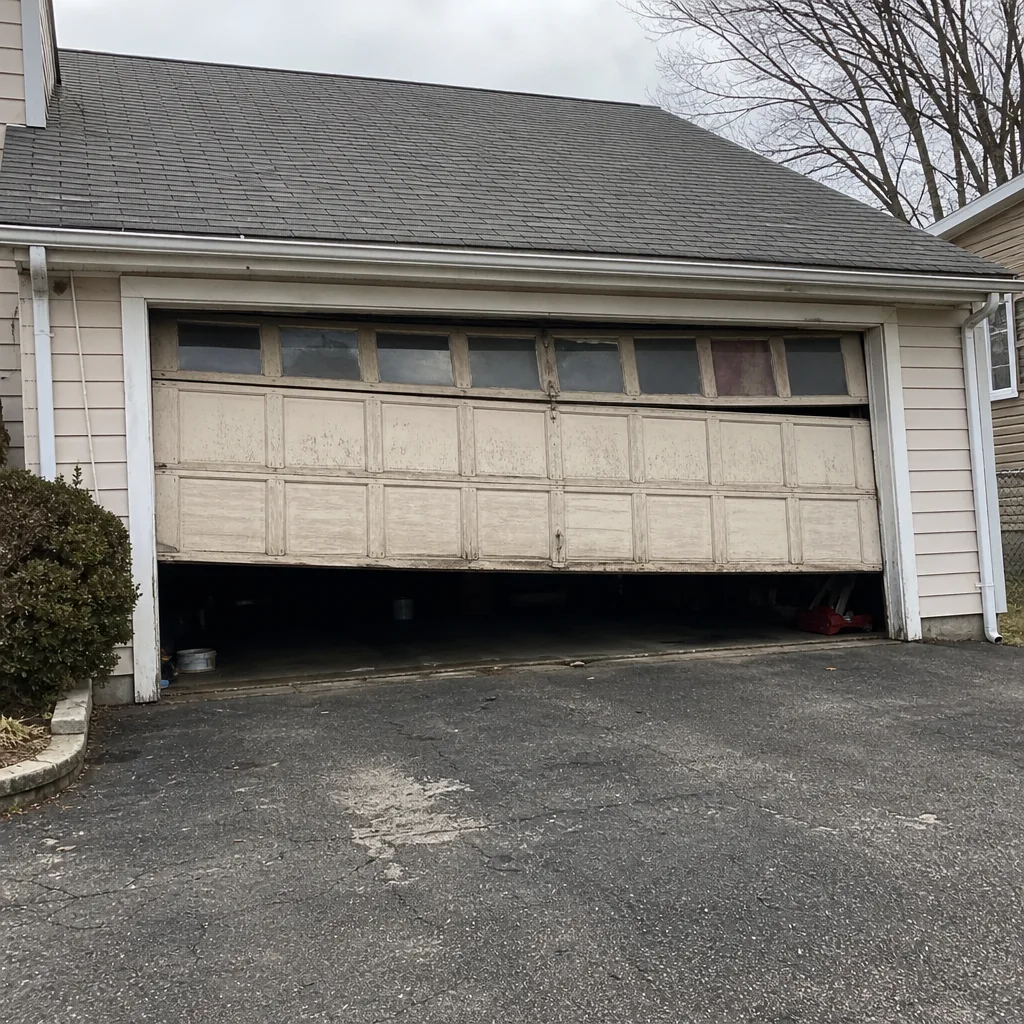 Before
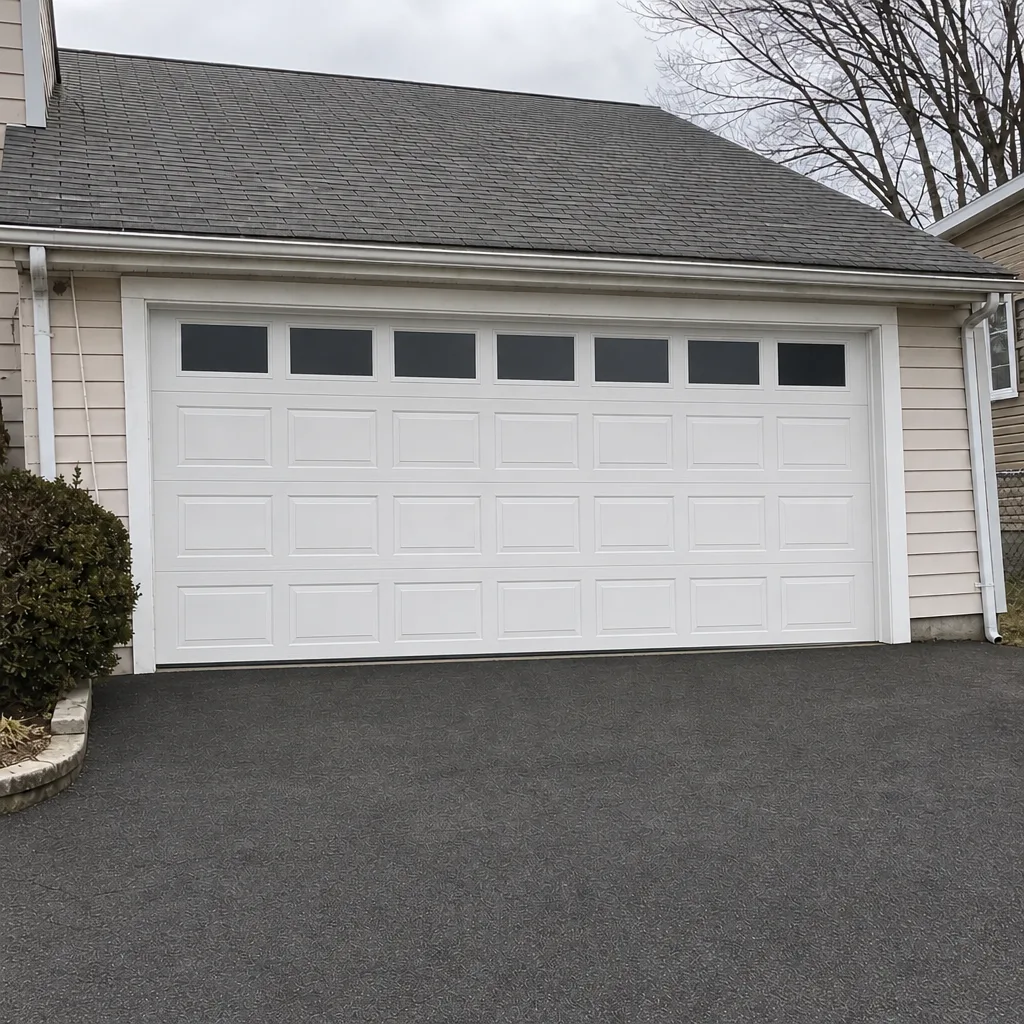 After
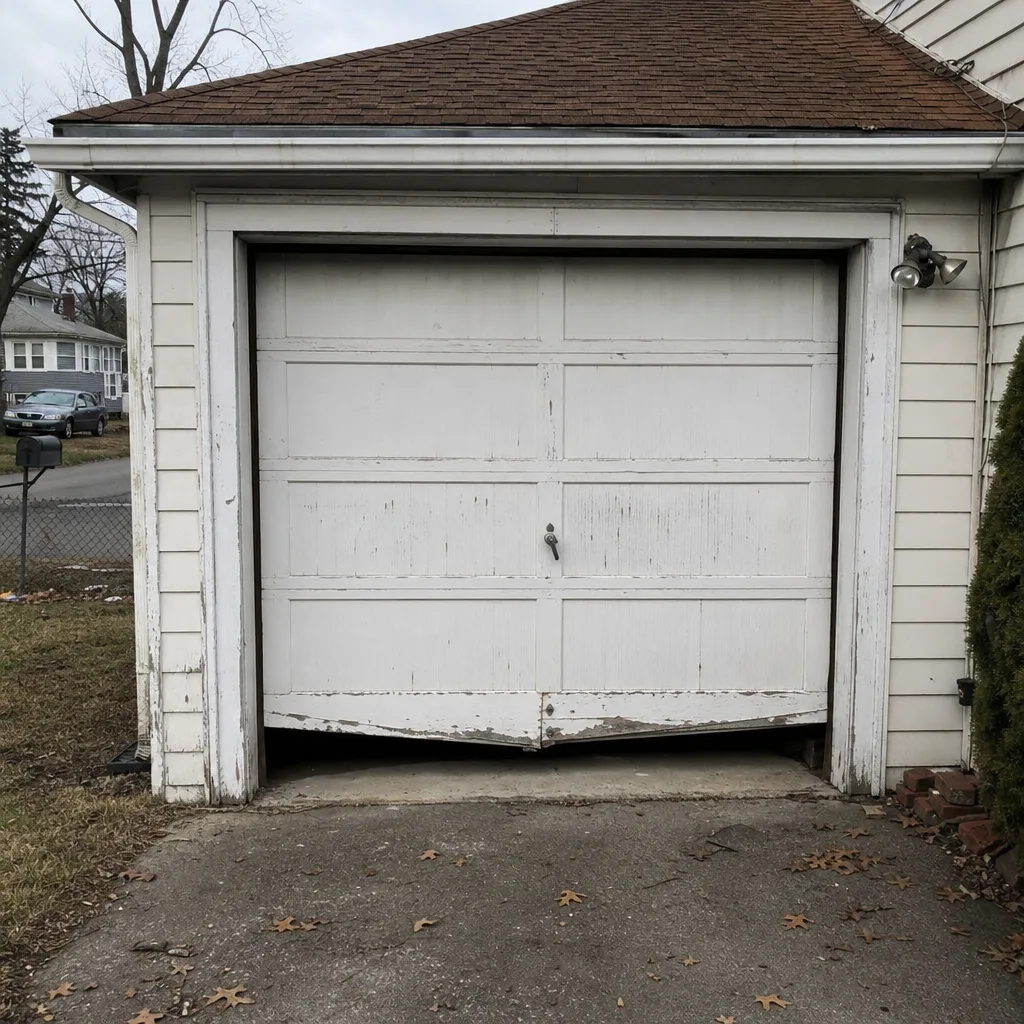 Before
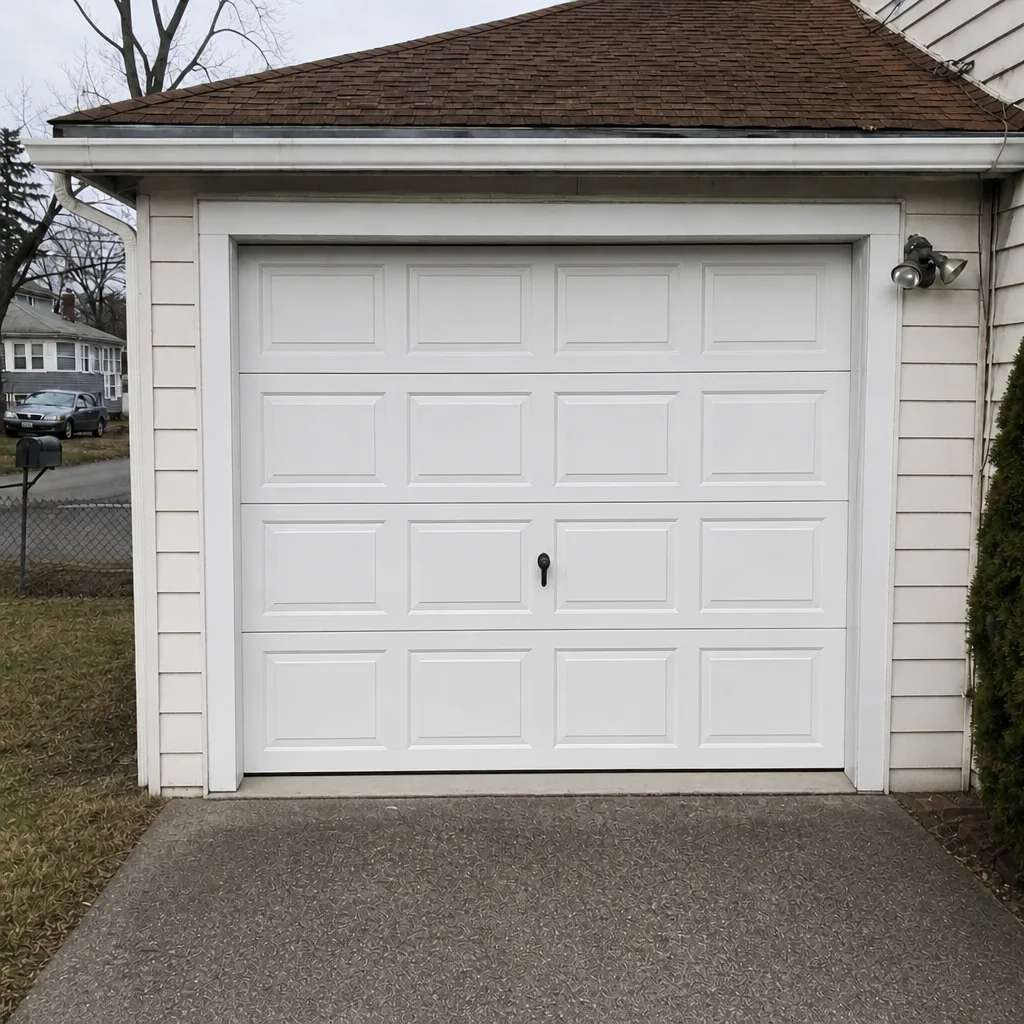 After
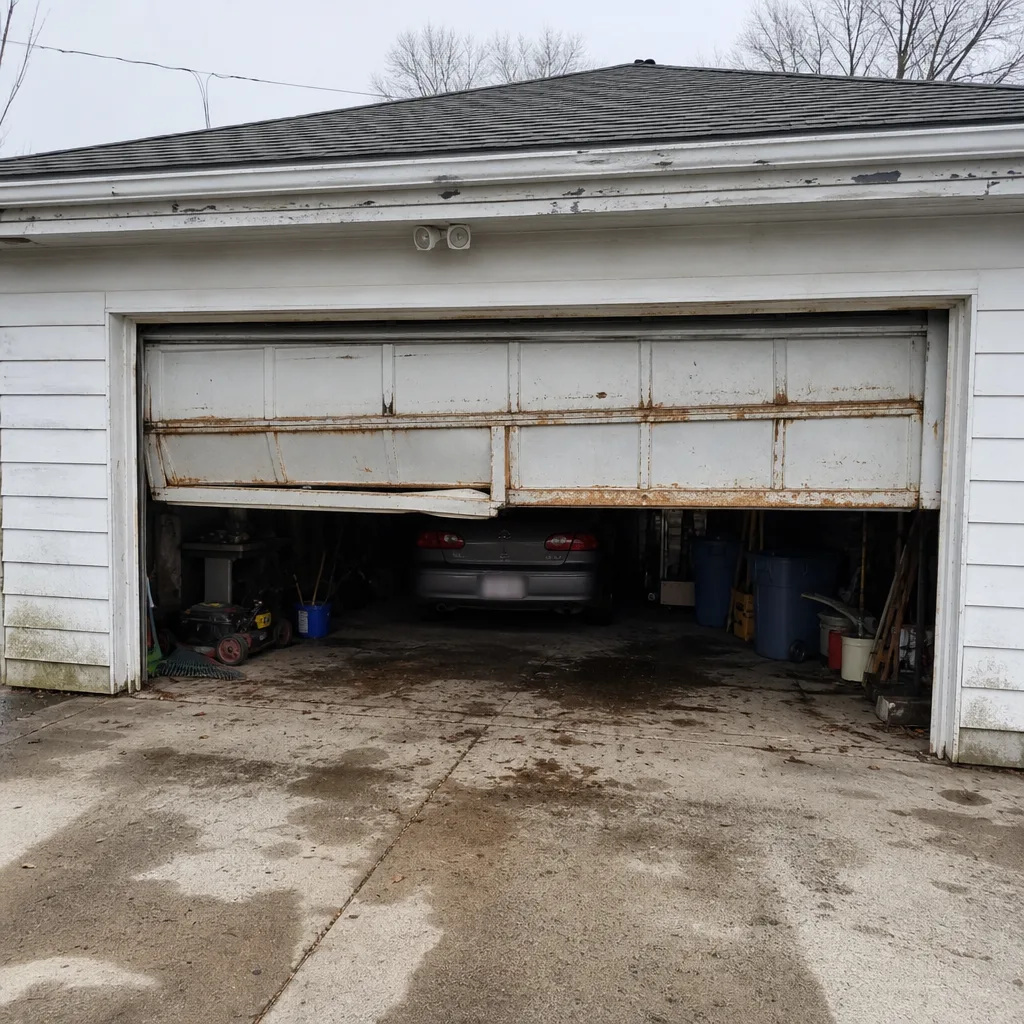 Before
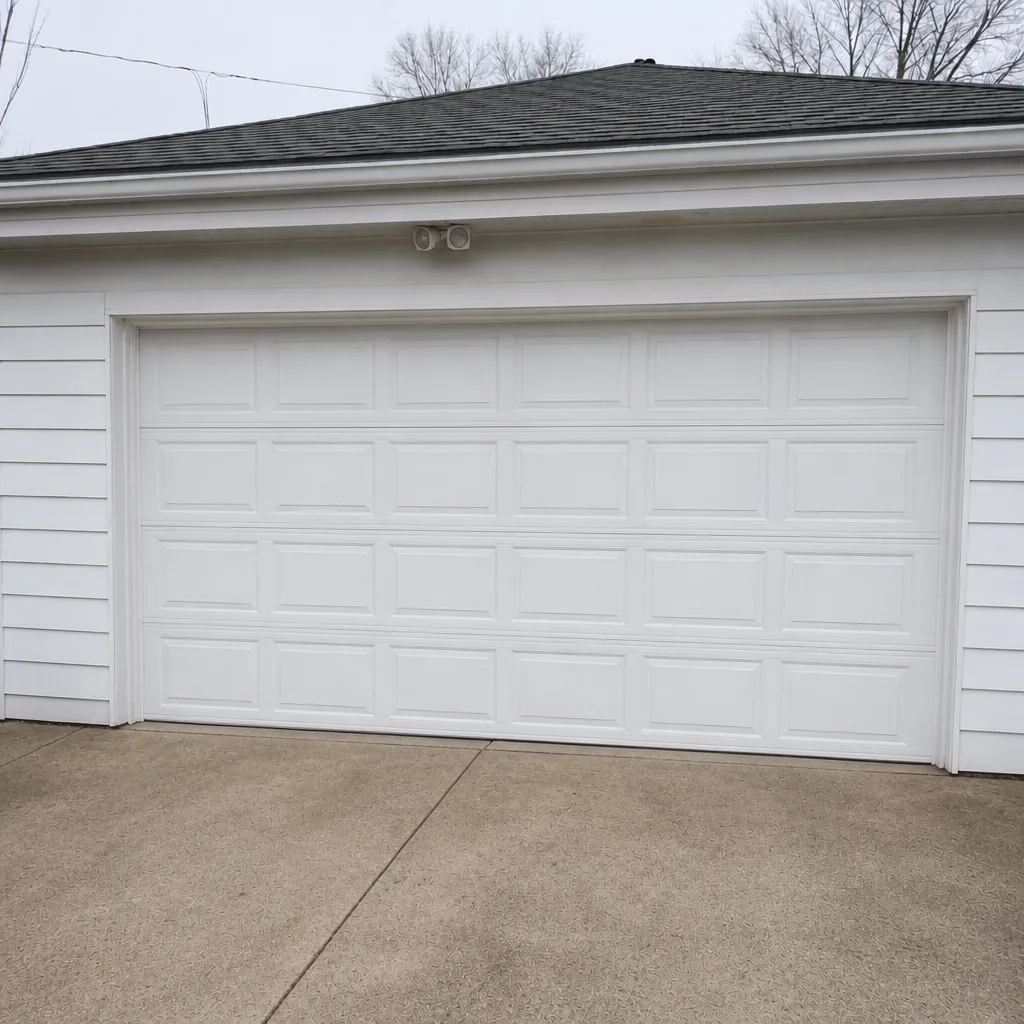 After
When to Call a Professional
Call a professional for anything involving a spring, cable, track, or the opener’s electrical side. High-tension springs and cables store enormous energy, and the release of that energy can cause serious injury; they’re not a DIY project. The same goes for opening the garage wall for framing or altering the fire separation between an attached garage and the house: that’s licensed-contractor and possibly permit work, not a weekend job.
Call us when you need a door replaced, a spring or cable fixed safely, an opener serviced, or a pre-inspection assessment to make sure an existing door will pass. Laurel Garage Door Repair offers free estimates in Brockton, and we can tell you whether the job you’re planning needs a permit before you commit. Call (844) 329-8773. We answer 24/7, with fast dispatch from 7am to 7pm, Sunday through Friday.
Frequently Asked Questions
Usually not, if the replacement is truly like-for-like: same opening size, same door type, no structural changes. You do need one if the rough opening size changes, the header or framing is altered, or the door is part of a fire separation that has to stay rated. Call Brockton’s building department with your exact scope before ordering the door. For a free estimate on the door itself, call (844) 329-8773.
It can, since the garage is one of the first things a buyer sees and a working door is part of a functional home. Whether an appraiser credits it depends on condition, curb appeal, and the local market, not on the door alone. What matters most is that the work is done correctly and documented, so keep the permit and certificate if the job requires one.
Structural changes trigger it: altering the opening size, modifying the header, adding a new opening, or touching a fire-rated assembly. Swapping a same-size door, replacing springs, tracks, or rollers, and servicing or replacing an opener typically do not. The rule is about scope, not about the word “garage door,” which is why two Brockton homeowners with the same door model can get different answers based on what else changes.
Often, yes. A door that’s stuck, off-track, or failing to close is a repair, and one of our technicians can usually get out the same day. Call (844) 329-8773. We answer 24/7, with fast dispatch from 7am to 7pm, Sunday through Friday. Installation and full door replacement are measured and scheduled, not same-day.
No. The written estimate sets the price, and the price is quoted and agreed before any work starts. If we find something on-site that changes the scope, we bring it to you before doing the work, rather than surprising you with the invoice. Call (844) 329-8773 for a free estimate. Estimates are free.
Yes. Our technicians are licensed and insured, and they work on garage doors and openers exclusively. That focus matters on a job that touches a fire-rated assembly or a permit scope, because a garage-door specialist knows what an inspector will look for. Call (844) 329-8773 with questions about your specific project.
The Bottom Line
The short version for Brockton homeowners: a straight like-for-like door replacement usually doesn’t need a permit, but structural changes and fire-rated assemblies do. Settle the scope with the building department before you order the door, use a specialist who knows the difference, and keep the certificate of completion in your records. That one folder protects you at resale and at claim time. If the job involves a spring, cable, or the opener’s wiring, leave it to a trained professional; those parts store serious energy. Call Laurel Garage Door Repair at (844) 329-8773 for a free estimate. We answer 24/7, with fast dispatch from 7am to 7pm, Sunday through Friday. For the full range of work we handle, start at Laurel Garage Door Repair.
Written by the team at Laurel Garage Door Repair.