
Last updated November 15, 2026
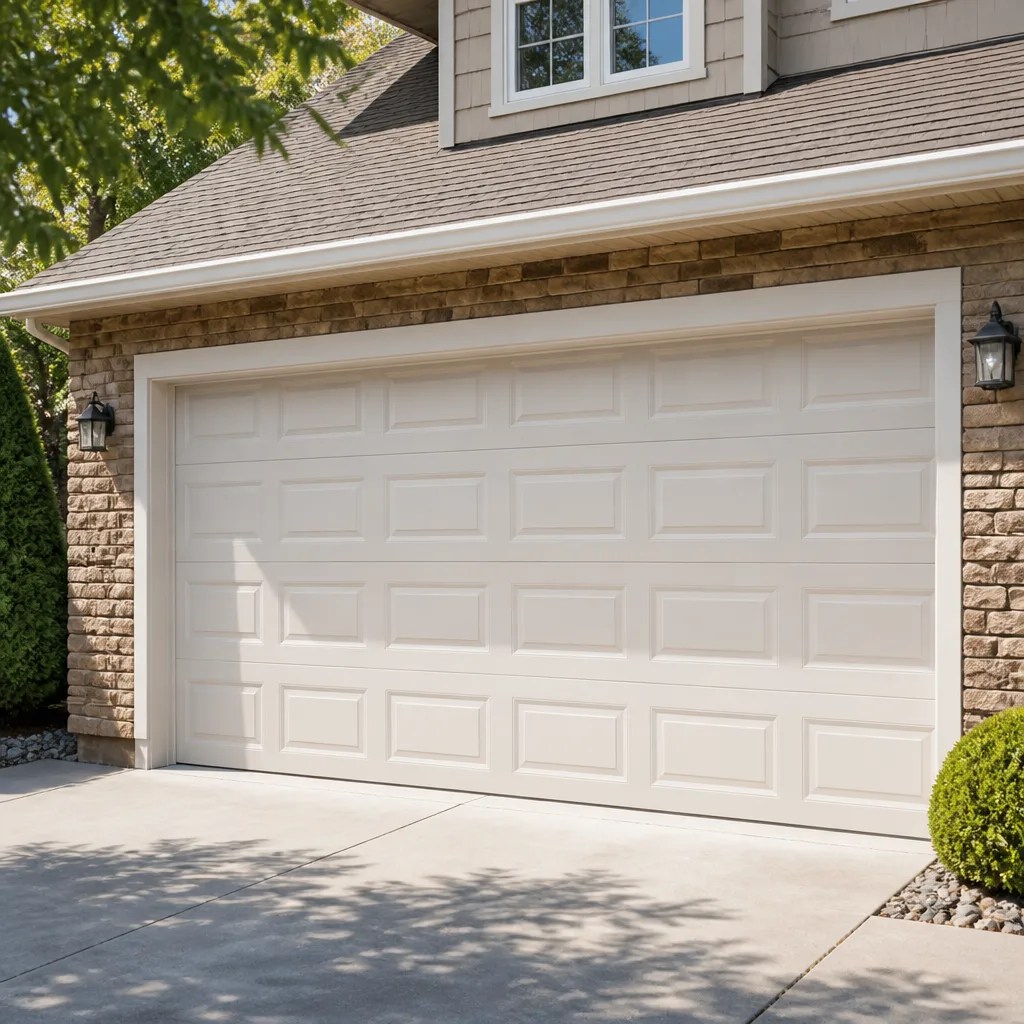 Raised-panel steel
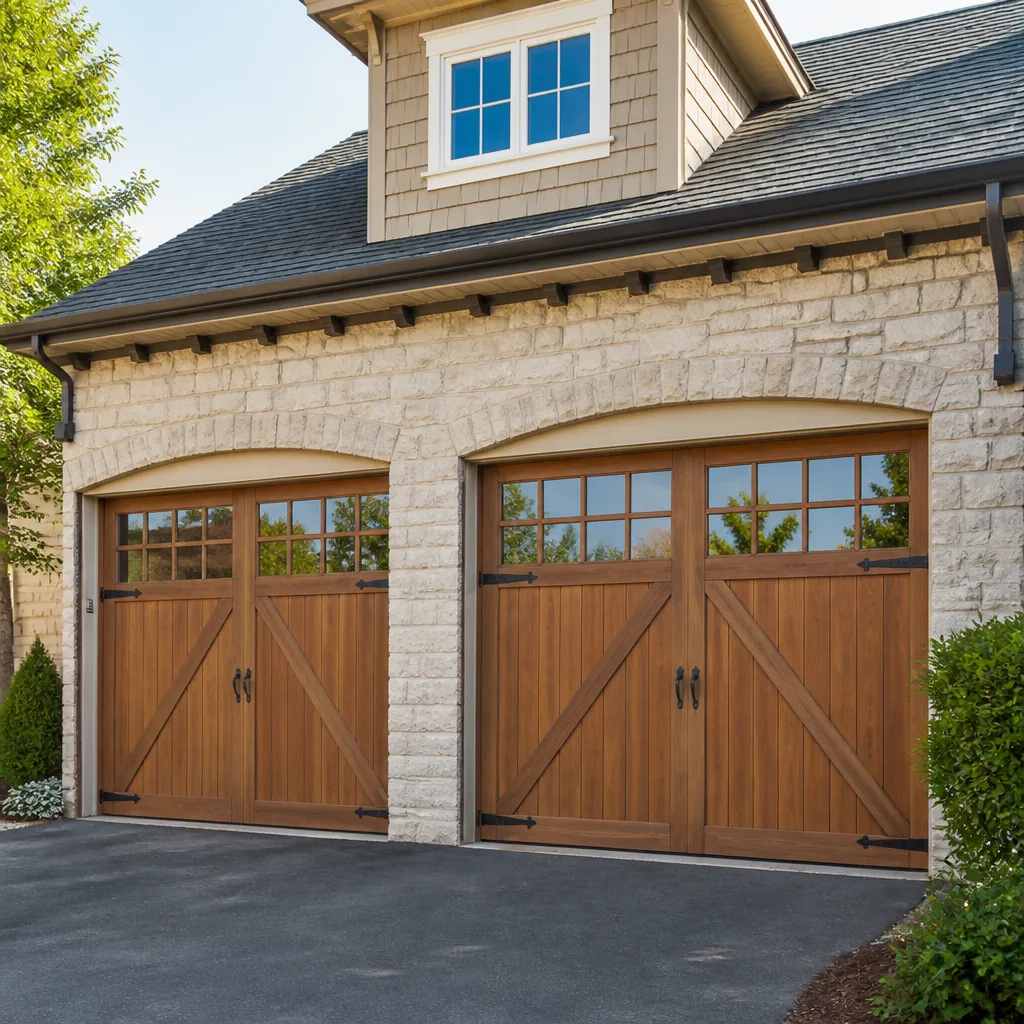 Carriage house
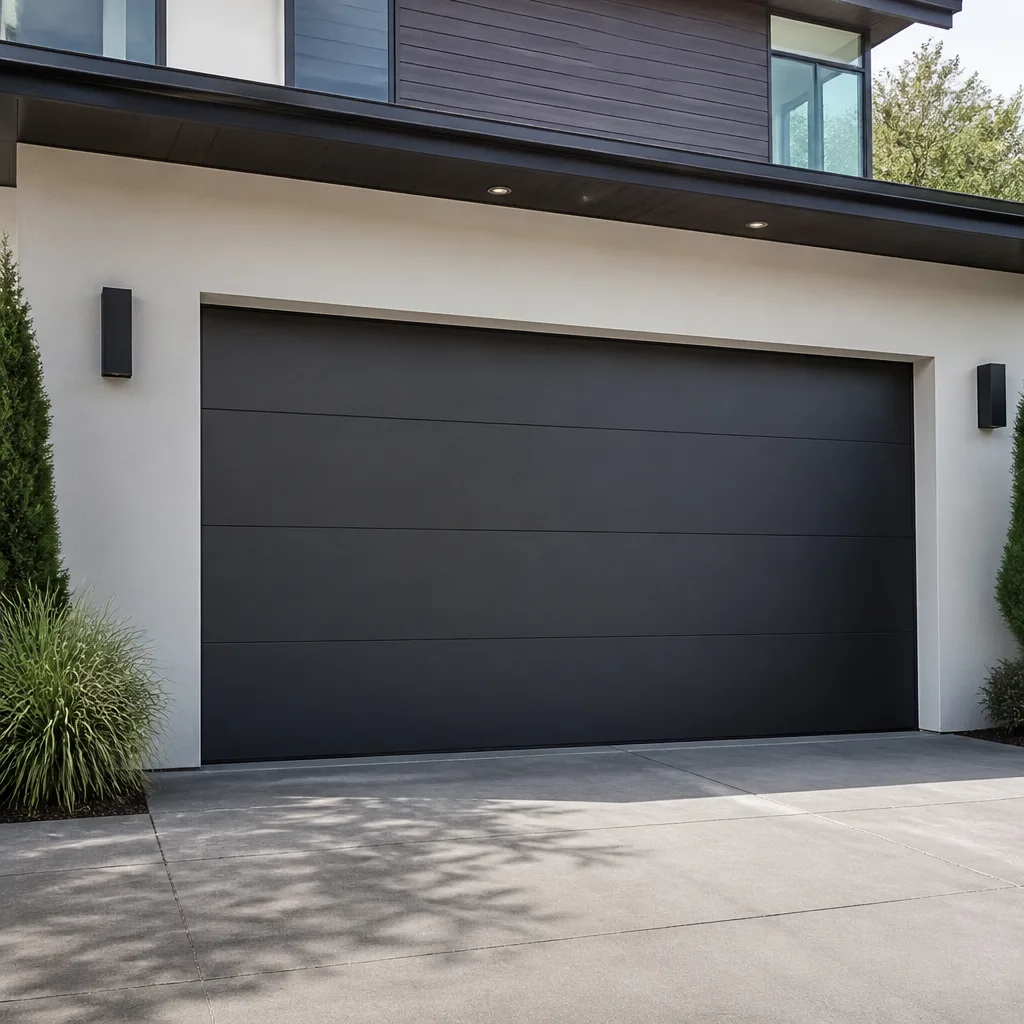 Modern flush
 Full-view glass
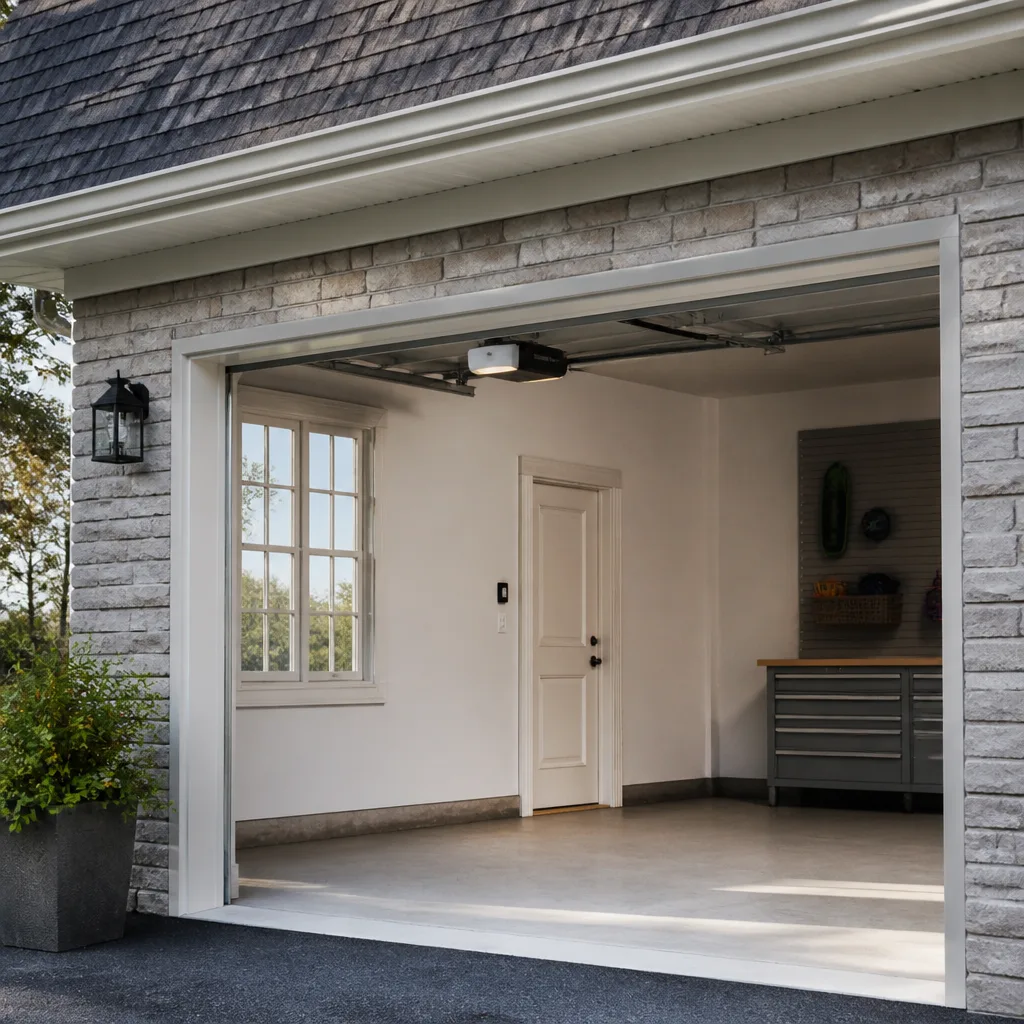 LiftMaster openers
 Chamberlain openers
Full 25-point door and opener safety check with every visit - springs, cables, rollers, tracks, and your LiftMaster or Chamberlain opener included
You get a price before we start. It does not change when the pro arrives.
Get your free estimateGarage Door Repair Maintenance Schedule: What to Do and When
If you’ve been told to lubricate your garage door every six months, that advice is correct for a door used twice a day in a mild climate and close to useless for a Brockton household running the door eight or ten times daily through a New England winter. A garage door isn’t a car on a fixed oil-change interval. Its real maintenance needs come from three variables: how often you cycle it, how old the hardware is, and what your weather does to seals, tracks, and springs. A door that opens twice a day needs a very different schedule than one that opens ten times a day ferrying kids, dogs, and deliveries. This guide gives you a usage-tiered maintenance schedule built around those variables, plus the specific pre-winter checklist that matters in Brockton, hardware lifespan benchmarks measured in cycles rather than years, and a simple maintenance log that makes your next service call faster and more accurate.
Quick Answer
Match your inspection interval to your cycle count. Low-use doors (1 – 2 cycles per day) need a visual inspection every three months and a professional service every two years. Moderate use (3 – 5 cycles daily) shortens that to an inspection every two months and professional service annually. High-use doors (6+ cycles daily) need a monthly walk-around and a professional check every six months, plus a pre-winter inspection before the first hard freeze. Lubrication is quarterly for most doors, not semiannual, and it’s the single task that most reliably extends hardware life.
Styles & brands we work with
- Raised-panel steel
- Carriage house
- Modern flush
- Full-view glass
- LiftMaster openers
- Chamberlain openers
Table of Contents
- Step 1: Know Your Usage Tier
- The Monthly Walk-Around (Ten Minutes)
- Quarterly Tasks: Lubrication and Balance
- The Brockton Pre-Winter Checklist
- Hardware Lifespan by Cycle Count
- What Actually Extends Door Life vs. Feel-Good Habits
- How to Log Maintenance That Helps Your Technician
- Safety Limits: What You Should Never Adjust Yourself
Step 1: Know Your Usage Tier
Before you schedule a single task, count your cycles. One “cycle” is one full open and close. If your family leaves in the morning and returns in the evening, that’s about four cycles a day for an attached garage used as the main entry point. A household where the garage holds cars and the front door gets all the traffic might run two. Somebody running a home business with deliveries and equipment movement runs six or more without thinking about it.
Take a rough count for three or four days and average it. Then assign yourself to a tier:
- Low use (1 – 2 cycles per day): A door used mainly for parking, where people enter the house through the front door. Visual inspection every three months, lubrication every six months, professional service every two years.
- Moderate use (3 – 5 cycles per day): The typical Brockton family garage, where the door is the primary home entrance. Inspection every two months, lubrication quarterly, professional service annually.
- High use (6+ cycles per day): Home businesses, multi-driver households, doors that see delivery traffic. Inspection monthly, lubrication quarterly, professional check every six months.
This is why the generic “every six months” advice fails. A high-use door under that schedule gets half the attention it needs, and a low-use door gets more lubrication than it can use, which just attracts grit to the tracks. Match the interval to the workload and you’ll stop guessing. The same logic applies whether the door is a modern Clopay or an older Wayne Dalton still running original hardware.
The Monthly Walk-Around (Ten Minutes)
The monthly walk-around isn’t a repair session. It’s a look-and-listen pass designed to catch changes early, when they’re cheap to fix. You’re not touching springs or cables; you’re observing. Here’s the sequence we recommend, and it takes about ten minutes once you’ve done it twice.
- Watch the full cycle. Run the door up and down and watch it the whole way. Look for jerking, hesitation, or a door that seems to struggle at one point in the travel.
- Listen for changes. A door that sounds different than it did last month is telling you something. Grinding, squealing, or a popping sound all point to different parts.
- Check the gap under the door. Look for daylight where the bottom seal meets the floor. A visible gap means the seal isn’t doing its job, and in a Brockton winter that gap lets cold air straight into the garage.
- Scan the tracks by eye. You’re looking for bent sections, loose brackets, or debris sitting in the track channel. Don’t try to bend anything back yourself; just note it.
- Tug the manual release. With the door closed, pull the red release handle and lift the door by hand about halfway. It should lift smoothly and stay put when you let go. If it drops or won’t hold, the spring system is out of balance and needs professional attention. Re-engage the release and call before using the door again.
- Check the safety reverse. Place a solid object in the door’s path and close it. The door should reverse on contact. If it doesn’t, stop using the automatic opener until it’s checked.
Log anything you noticed. A note like “door hesitates near the top, started this week” saves your technician diagnostic time and gets you a more accurate estimate when you call for garage door repair.
Quarterly Tasks: Lubrication and Balance
Lubrication is the highest-value maintenance task on any garage door, and most doors are under-lubricated at the points that matter. The common mistake is spraying the whole door and calling it done. What actually matters is targeted.
Use a garage-door-specific lubricant, not general household oil or grease. Grease collects grit and turns into grinding paste on tracks and rollers. A silicone-based spray or a purpose-made garage door lubricant is what you want. Apply it to:
- Rollers, at the stem where the roller meets the hinge, not the roller face itself
- Hinges, one short spray at each pivot point
- The torsion spring coils, lightly, with the door closed and the spring under tension. Never put your hand near a spring to inspect it closely.
- The opener rail and chain if your opener uses a chain drive, such as many Genie and LiftMaster models
- Bearings and the top and bottom brackets where the roller shafts pass through
Leave the tracks entirely alone. Tracks stay clean and dry; lubricant on the track causes rollers to slide rather than roll, which wears them faster. Wipe the tracks with a dry cloth instead.
The quarterly balance test goes with lubrication. Disconnect the opener, lift the door by hand to the halfway point, and let go. A balanced door stays. A door that drifts down has a spring losing tension; one that drifts up has too much. Either way, an out-of-balance door forces the opener to work harder, and openers that work harder fail sooner. If your opener is showing the strain, that’s a sign to have the drive system checked as part of your garage door opener repair service.
The Brockton Pre-Winter Checklist
Brockton’s winters are the hardest test a garage door faces. Freeze-thaw cycles move the ground under the slab, cold shrinks and hardens rubber seals, and any moisture that gets into a seal and freezes will split it. The window between late October and the first hard freeze is the most important maintenance window of the year for a Brockton door, and it’s the one most homeowners skip. Run this checklist before the first hard freeze.
- Check weatherstripping compression. With the door closed, look at the perimeter seal where it meets the frame. The rubber should be visibly compressed against the stop, not just touching it. A seal that’s flattened, cracked, or stiff needs replacing before cold weather hardens it further and it stops sealing entirely.
- Inspect the bottom seal. This is the thinnest rubber on the door and the first to fail. Look for cracks, tears, or sections that have pulled away from the retainer. Run your hand along it; if it feels brittle rather than pliable, replace it before the freeze.
- Check for daylight under the door and around the frame. Any gap is a cold-air entry point. In a garage, that gap also lets meltwater in, which refreezes overnight and puts the door’s bottom section under stress every time you cycle it.
- Look at spring tension, and don’t touch it. With the door closed, the springs should look even, with no gaps between coils and no signs of rust or fraying at the ends. If the door feels heavy on manual operation or won’t hold the halfway position, the springs are the likely cause. Spring assessment means observing, not adjusting.
- Confirm the door is weather-tight at the sides. Wind-driven snow finds the smallest gaps. If your door has a gap at either jamb, it needs adjustment or new stops.
- Test the opener’s safety reverse in the cold. Cold stiffens the door’s mechanicals, and an opener that was set at the margin in summer may push harder in winter. Test it, and if you’re not sure, have it adjusted.
If any of those checks turn up something you’re unsure about, that’s exactly the point to call us. Our technicians have up to 12 years of experience and see these same patterns on every Brockton block. If you’re in or near Brockton, we can get out and check the door before the cold arrives. Does that need mention. Fine.
Hardware Lifespan by Cycle Count
Hardware lifespan is measured in cycles, not years, which is why two identical doors installed at the same time can fail years apart. A door open twice a day runs about 730 cycles a year. A door open eight times a day runs about 2,920. Both have springs rated for tens of thousands of cycles, and the high-use door burns through its rated life four times faster per year. The table below gives you rough cycle-count benchmarks so you know what “worn” actually looks like and when to plan replacement instead of repair.
| Component | Typical cycle rating | What worn looks like |
|---|---|---|
| Nylon rollers | ~10,000 – 20,000 cycles | Flat spots on the roller, wobble at the stem, quiet suddenly becoming loud |
| Steel rollers | ~5,000 – 10,000 cycles | Grinding sound, visible wear on the wheel face, squealing under load |
| Lift cables | ~10,000 – 15,000 cycles | Fraying at the drum end, rust spots, any visible broken strand |
| Extension springs | ~10,000 – 15,000 cycles | Gaps between coils when the door is closed, sagging, rust |
| Torsion springs | ~10,000 – 20,000 cycles (higher for upgraded springs) | Door feels heavy, won’t hold halfway, uneven door travel |
| Hinges | ~10,000 – 20,000 cycles | Rattling, visible looseness at the pivot, play in the joint |
The important word in that table is “typical.” Ratings vary by manufacturer and grade. A Clopay or Amarr door with upgraded springs will outlast the same door with entry-level hardware, and a Wayne Dalton with an odd-sized torsion bar may outlast a standard one. Your door’s cycle count tells you how much of its rated life it has already used. If your door is at 8,000 cycles and the springs are rated for 15,000, you’re halfway through; if the cables are showing fray, they’re near replacement regardless of the number.
One more thing. Door weight matters too. Insulated doors are heavier than uninsulated ones, and they load the springs and opener harder with each cycle. If your door was replaced with a heavier model and the spring system wasn’t upgraded to match, your hardware is wearing faster than its rating suggests. Any proper garage door repair evaluation should include a weight check.
What Actually Extends Door Life vs. Feel-Good Habits
Not every maintenance task pulls its weight. Over the years we’ve seen homeowners spend real time on tasks with no measurable effect while skipping the ones that matter. Here’s the honest division.
Tasks that genuinely extend life
- Targeted lubrication. Rollers, hinges, springs, and chain. Decades of evidence behind it. A well-lubricated door consistently outlasts a neglected one.
- Balance testing. An out-of-balance door forces the opener to work against resistance, and openers that work harder fail sooner. Rebalancing saves you the cost of an opener replacement.
- Seal replacement before winter. Keeps moisture off the steel, which is where most rust starts on a Brockton door. A dry garage is a rust-free garage.
- Cleaning tracks. Debris in the track causes rollers to bind. A dry-clean pass every quarter costs nothing and prevents wear.
- Replacing worn rollers and cables on schedule. The “replace at the wear point” approach is cheaper than waiting for a cabling failure that can damage the door panel and the opener at the same time.
Feel-good habits with little measurable impact
- Monthly visual inspections on a low-use door. If you cycle the door twice a day, a monthly look-around is more than the door needs. Quarterly is plenty.
- Lubricating the entire track surface. This actually does harm. Grease on tracks collects grit and accelerates wear on rollers. Keep tracks dry.
- Spraying the door face or panels with cleaners. Cosmetic. It has no effect on how long the door lasts.
- Replacing parts on a calendar schedule regardless of wear. A roller at 4,000 cycles on a 15,000-cycle rating doesn’t need replacing because a year has passed. Cycle counts and physical wear matter, not calendars.
- Running the door a few times per month “to keep it moving.” A door that’s not being used doesn’t wear. Cycling it for the sake of it only adds cycles.
The pattern is simple. Tasks that reduce friction, keep seals intact, and catch imbalance early extend the door’s life. Tasks that don’t remove friction or prevent moisture don’t. When in doubt, ask whether the task changes how the door physically operates. If it doesn’t, it’s a habit.
How to Log Maintenance That Helps Your Technician
The simplest, most useful maintenance record is a single page or simple spreadsheet that lives with the door, and the payoff is enormous when you call for service. A technician who arrives with accurate history can diagnose faster and quote accurately, often in the first visit instead of a return trip. Here’s what to record.
- Date of each maintenance action and what was done (lubricated, checked balance, replaced seal).
- Signs or symptoms you noticed, in plain language: “noisy at the top half,” “won’t stay halfway,” “grinding on closing.”
- Any parts replaced, with the part description and approximate cycle count at the time.
- Any professional service call, with what was corrected and by whom.
- The door’s rough cycle count per day, so your technician can estimate total cycles used.
- Photos of the door and its hardware at each service, so the technician can compare against current condition.
Creating that record takes a notebook and five minutes each month. When something goes wrong, you’ll be able to hand your technician a crisp summary instead of a vague memory. That gets you a more accurate written quote and a faster repair. If you’re moving into a home and don’t have any history, note the door’s age and brand and start the log fresh. You can find more resources and schedule service at Laurel Garage Door Repair.
Safety Limits: What You Should Never Adjust Yourself
Some garage door maintenance is genuinely dangerous, and we’d rather you call us than try it. Torsion springs and their lift cables store enormous energy. A torsion spring under tension can cause serious injury if you touch it or its fittings, and cables under load can snap with lethal force. Newer installations often use a torsion bar through the springs, and every one of those components should be left to a trained professional who has the tools to de-tension safely.
If your spring system is what’s wrong, get it looked at by someone who understands it rather than reading a how-to. The same goes for electrical work on the opener. Wiring inside an opener or a wall control that isn’t working right is a job for a technician with meter and code knowledge, not a weekend project. And if the door falls or drops when you disconnect it, stop using it and call before you try the opener again.
For those tasks, “observe and report” is the right maintenance approach. Look for changes, don’t touch what’s under load. If you see a spring with a gap between coils, cables with broken strands, or a door that won’t hold its position, those are the signs to pick up the phone rather than the toolbox. That balance keeps you safe and keeps the door repairable.
Common Mistakes to Avoid
- Treating six months as a universal interval. It’s correct for a low-use door and far too infrequent for a high-use Brockton household. Match the interval to your cycle count or you’ll either over-service or under-service the door.
- Greasing the tracks. Track surface should stay clean and dry; lubricant collects grit and causes rollers to slide rather than roll. Wipe them dry instead.
- Skipping the pre-winter seal check. A flattened bottom seal between October and the first freeze is the most common cause of a cold garage and moisture damage through a Massachusetts winter. Replace the seal while it’s still pliable, not after it’s frozen and split.
- Judging hardware condition by age alone. A ten-year-old door at two cycles a day is around 7,300 cycles; a three-year-old door at ten cycles a day is about twice that. Look at the cycle count, not the calendar.
- Tightening or “adjusting” a torsion spring yourself. It’s a serious injury risk and it’s one of the few door jobs where a mistake can hurt you. Leave springs, cables, and opener wiring to a trained technician.
- Ignoring a change in sound. A door that suddenly sounds different is telling you something. Log the change and get it checked rather than waiting for a malfunction.
- Not logging maintenance. Without a record, your technician has to diagnose from zero. A single page beats a vague memory every time.
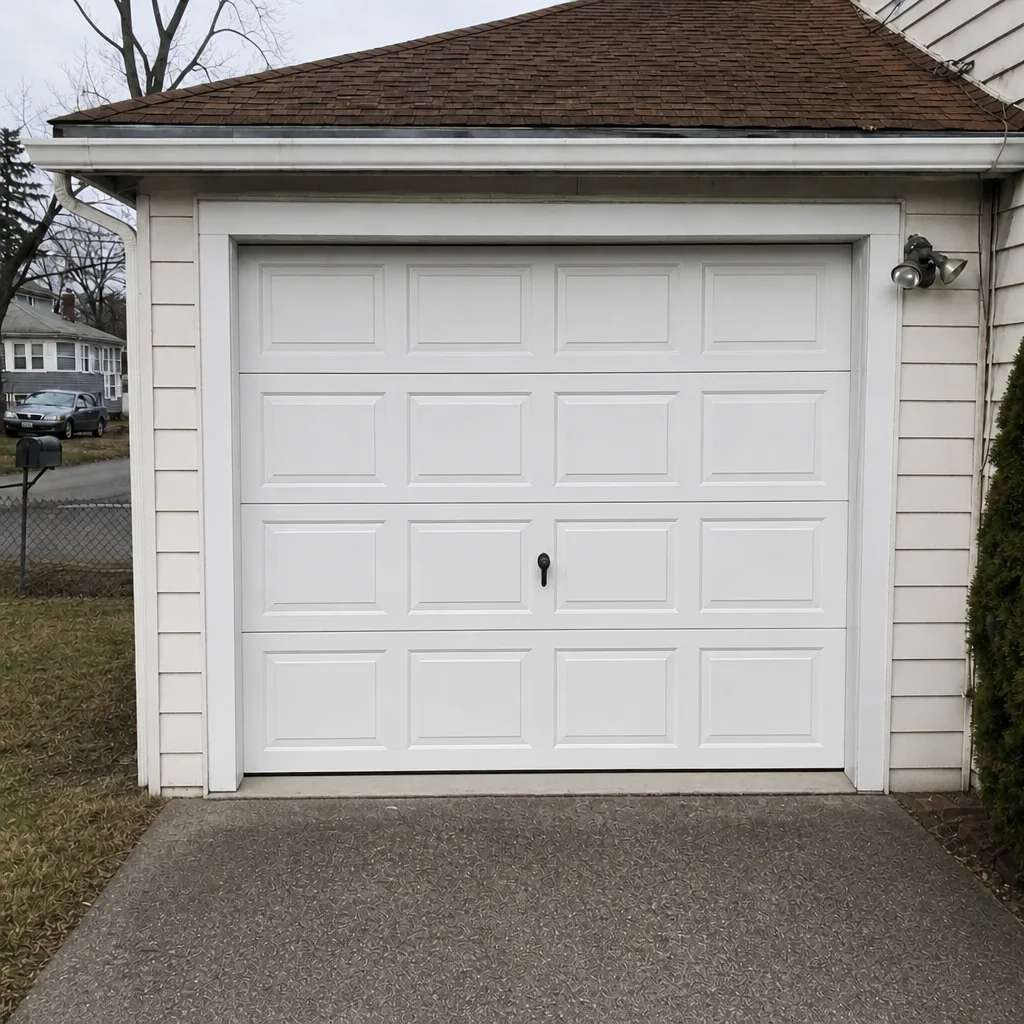
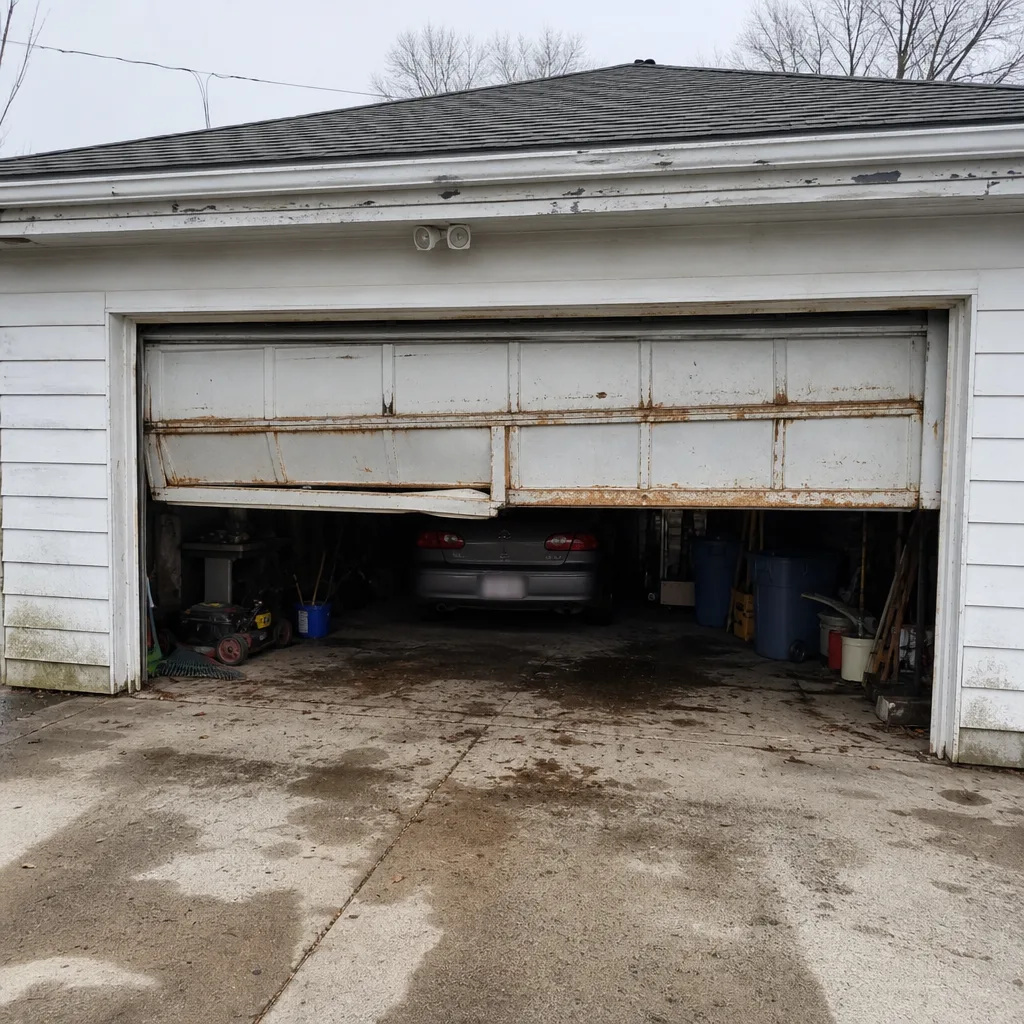
See the difference
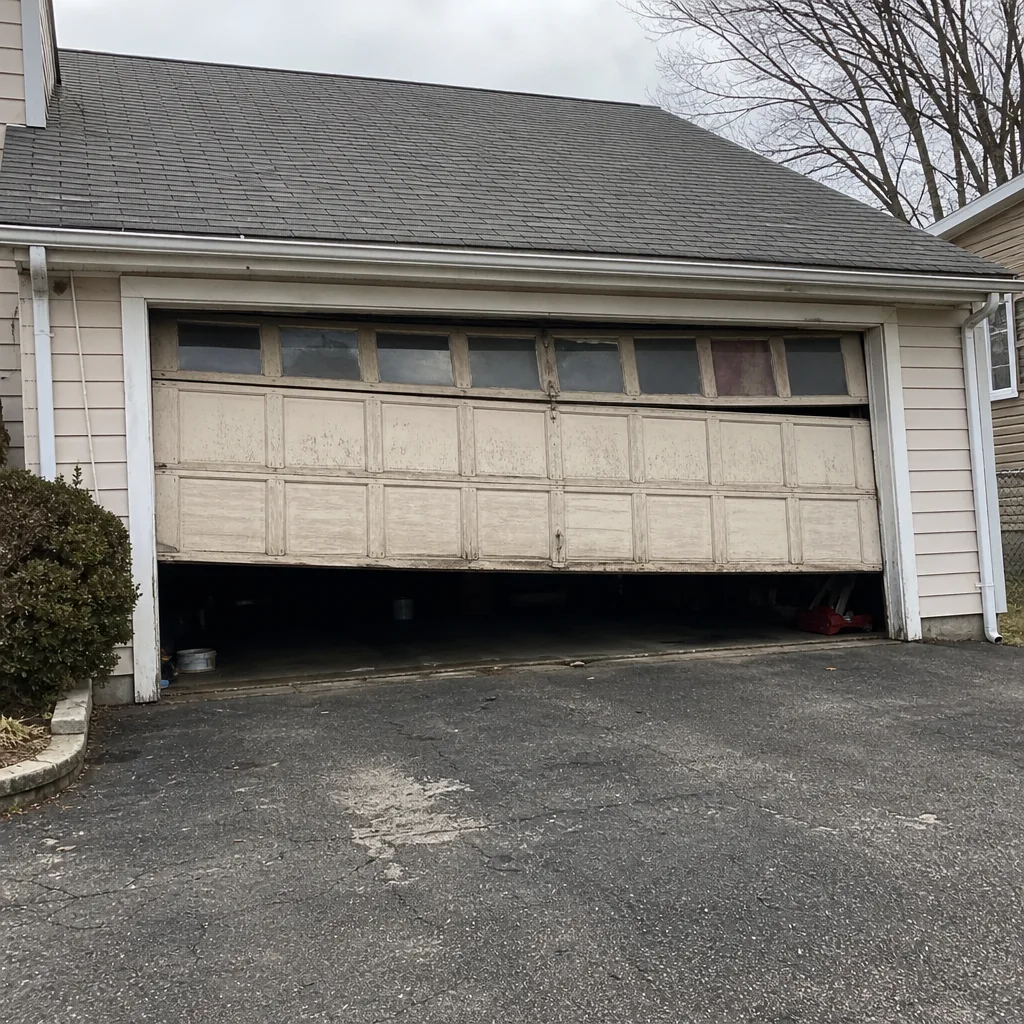 Before
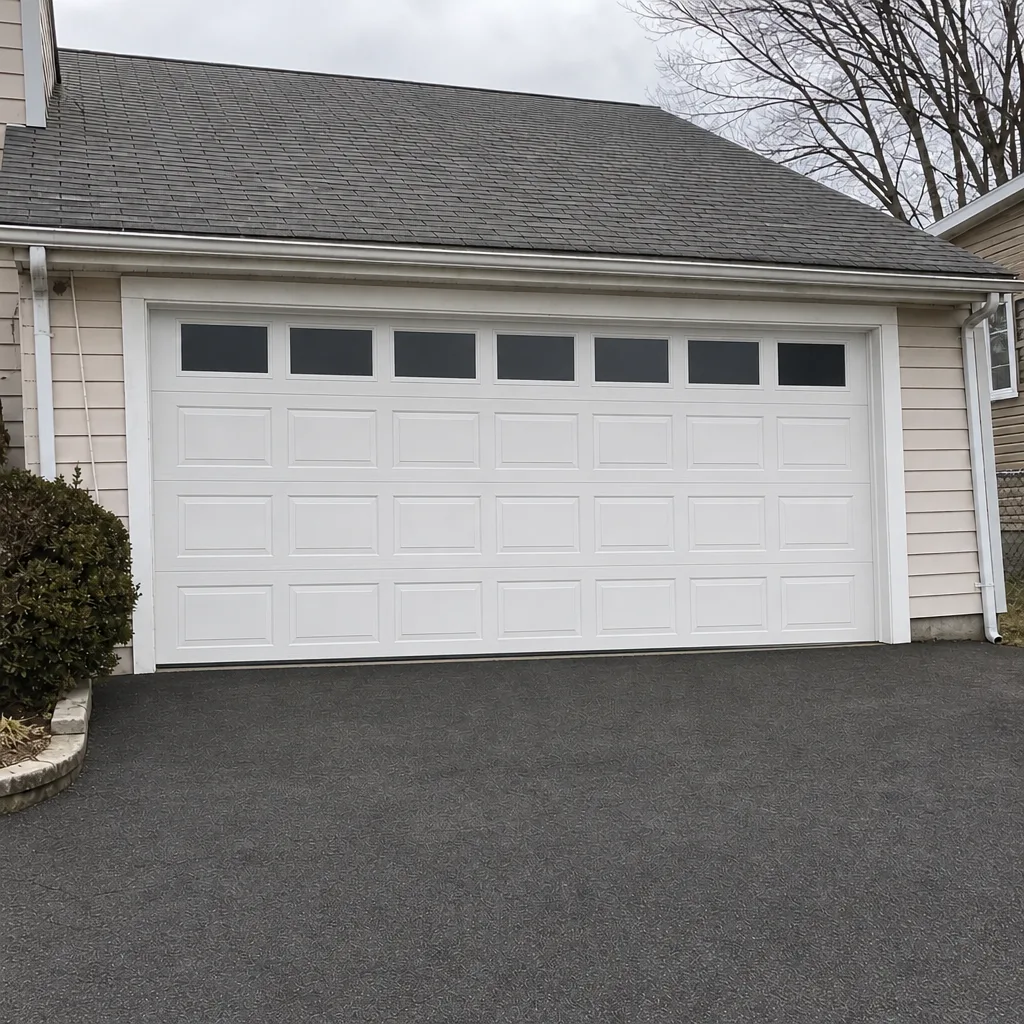 After
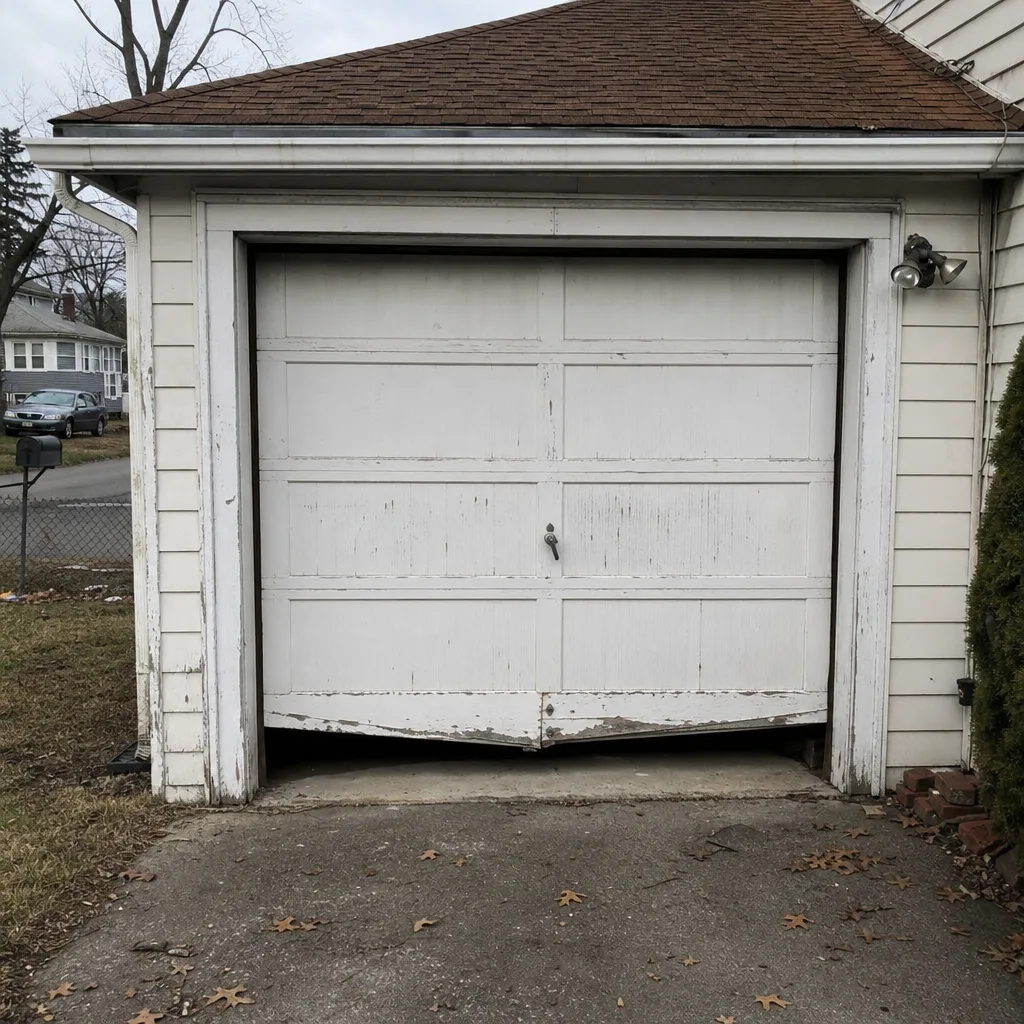 Before
 After
 Before
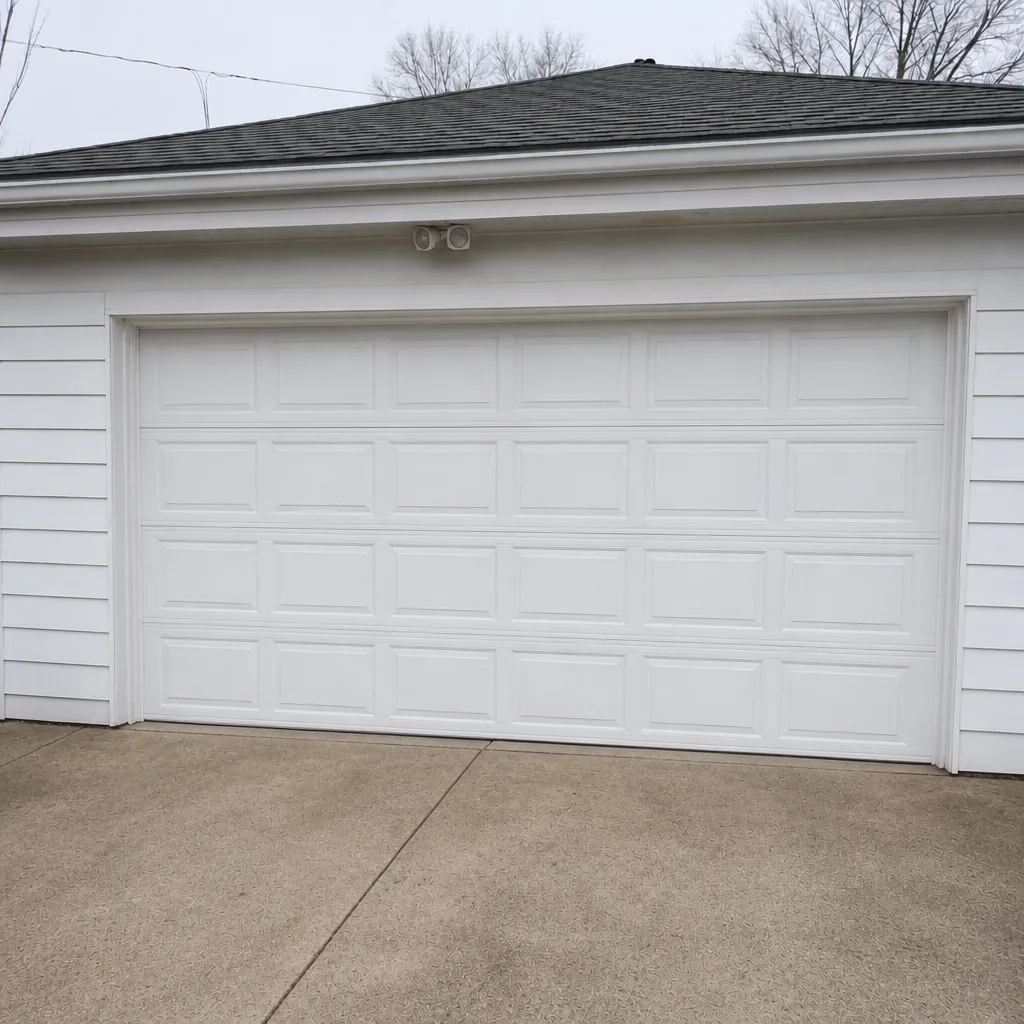 After
When to Call a Professional
Some symptoms mean it’s time to call. A door that feels heavy or won’t hold its halfway position points to a spring. Broken or frayed lift cables are a stop-use sign. A door that reverses on its own, fails to reverse on contact, or won’t open or close fully is an opener problem, not a door problem, and the two need to be assessed together. Grinding, popping, or a door that jerks during travel should be looked at before it turns into a bigger repair. If you’re past a cycle-count benchmark on a wear part or you’re prepping for a Brockton winter and not sure what needs attention, it’s worth a call.
Laurel Garage Door Repair offers free estimates in Brockton. Garage doors are all we do, from the panels to the opener, and we work on LiftMaster, Chamberlain, Genie, Clopay, Amarr, Wayne Dalton, Craftsman, and Raynor hardware. Our technicians have up to 12 years of experience, and the written estimate sets the price before any work starts. Call (844) 329-8773. We answer 24/7. Fast dispatch from 7am to 7pm, Sunday through Friday. Same-day service is available on many repairs.
Frequently Asked Questions
Quarterly for most doors, not semiannual. Lubricate rollers, hinges, springs, bearings, and the opener chain with a garage-door-specific silicone or purpose-made lubricant. Keep the tracks clean and dry; do not lubricate the track surface itself, because grease collects grit and causes wear.
No. Torsion springs store enormous energy and adjusting them yourself risks serious injury. Observe the springs for gaps, rust, or fraying and note any change in door balance, but leave adjustment and replacement to a trained technician.
Replace rollers by appearance and cycle count, not by calendar age. Flat spots, wobble, and a door that suddenly gets loud are signs of wear. Nylon rollers usually last into the low tens of thousands of cycles; steel rollers last roughly half that. If your door runs eight cycles a day, you’re adding about 2,900 cycles a year, so check for wear at that ratio.
Check weatherstripping compression, bottom seal condition, and overall balance before the first hard freeze. Replace any flattened or brittle seals while they’re still pliable, check for daylight under the door and around the frame, and observe spring tension without touching it. If anything feels heavy or won’t hold position, call before the cold sets in.
Yes. A door running six or more cycles a day needs a monthly walk-around, quarterly lubrication, and a professional check every six months. A door running one or two cycles a day can go three months between inspections and two years between professional service.
No maintenance will make a spring last forever, but lubrication and balance checks slow wear and catch imbalance before it fails. Springs are rated in cycles, so the best thing you can do is track your cycle count and replace springs on schedule rather than after a failure. Keep a log so the next technician can count remaining life accurately.
The Bottom Line
The right maintenance schedule for your garage door isn’t a fixed calendar. Count your cycles, match the inspection interval to that number, and check the door’s wear parts against cycle-count benchmarks rather than age. In Brockton, add the late-October pre-winter checklist to the front of each cold season, because seals and balance are what the winter tests hardest. Lubricate the right parts, clean the tracks dry, test the safety reverse, and log everything. Those six habits do more for a door’s lifespan than any semiannual round of generic tasks. When a spring, cable, or opener issue turns up, that’s the point to call a professional rather than push a door that’s telling you it needs help. Our technicians have up to 12 years of experience, and we work on the brands you already own. Call (844) 329-8773 for a free estimate. We answer 24/7. Fast dispatch from 7am to 7pm, Sunday through Friday.
Written by the team at Laurel Garage Door Repair.