
Last updated November 15, 2026
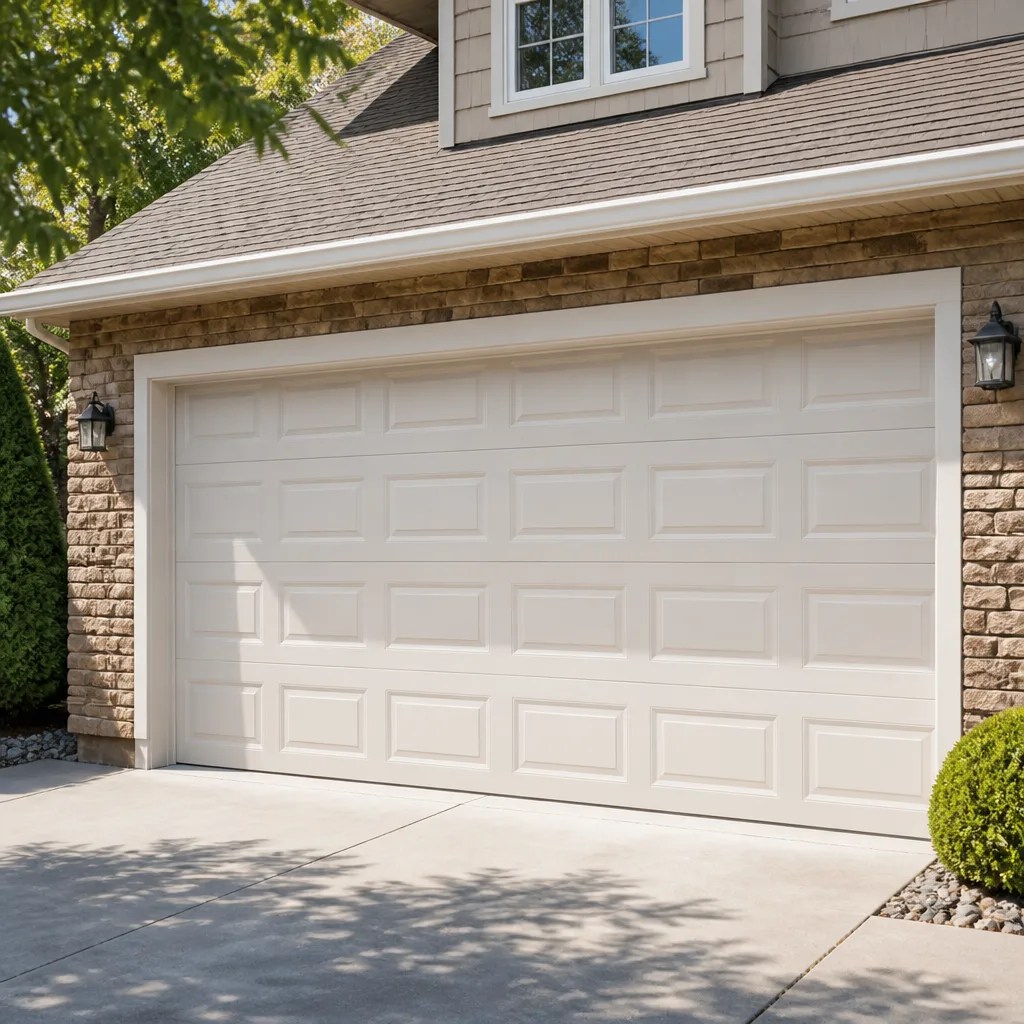 Raised-panel steel
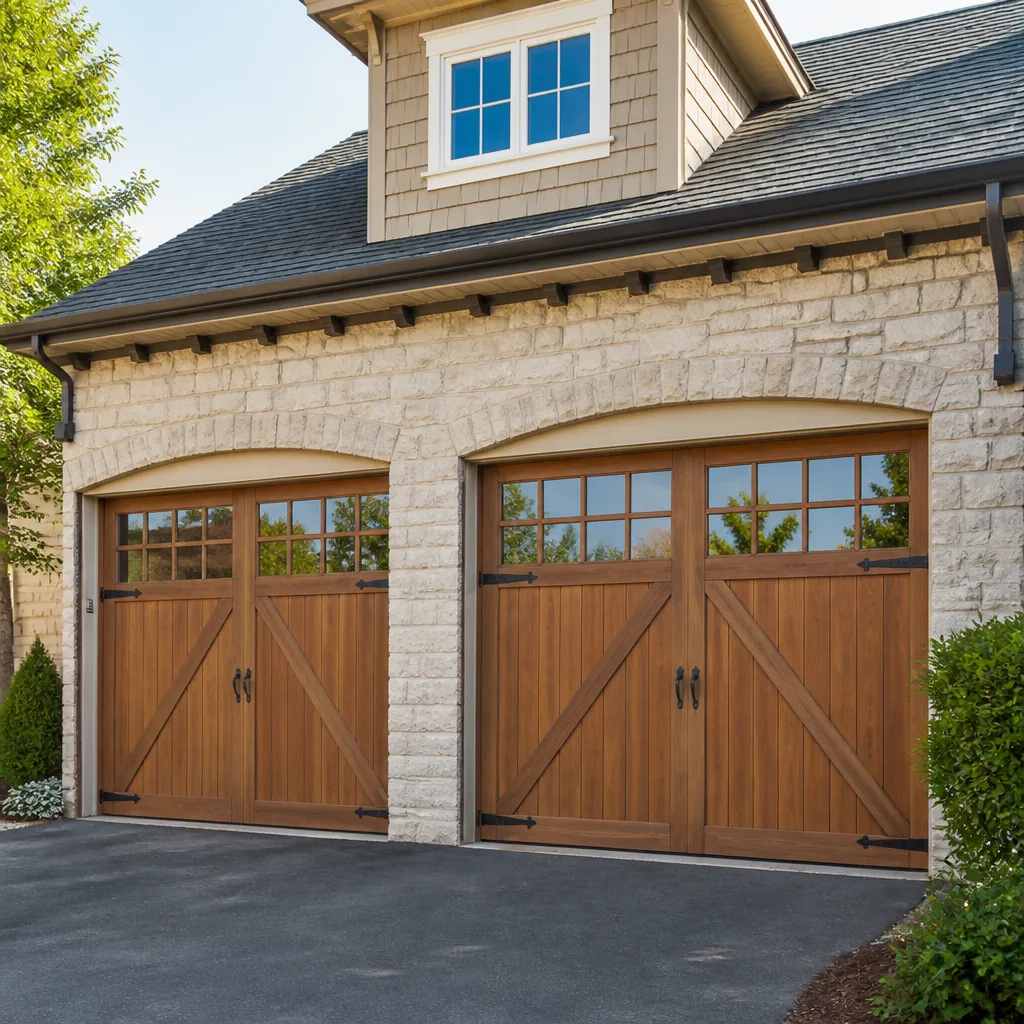 Carriage house
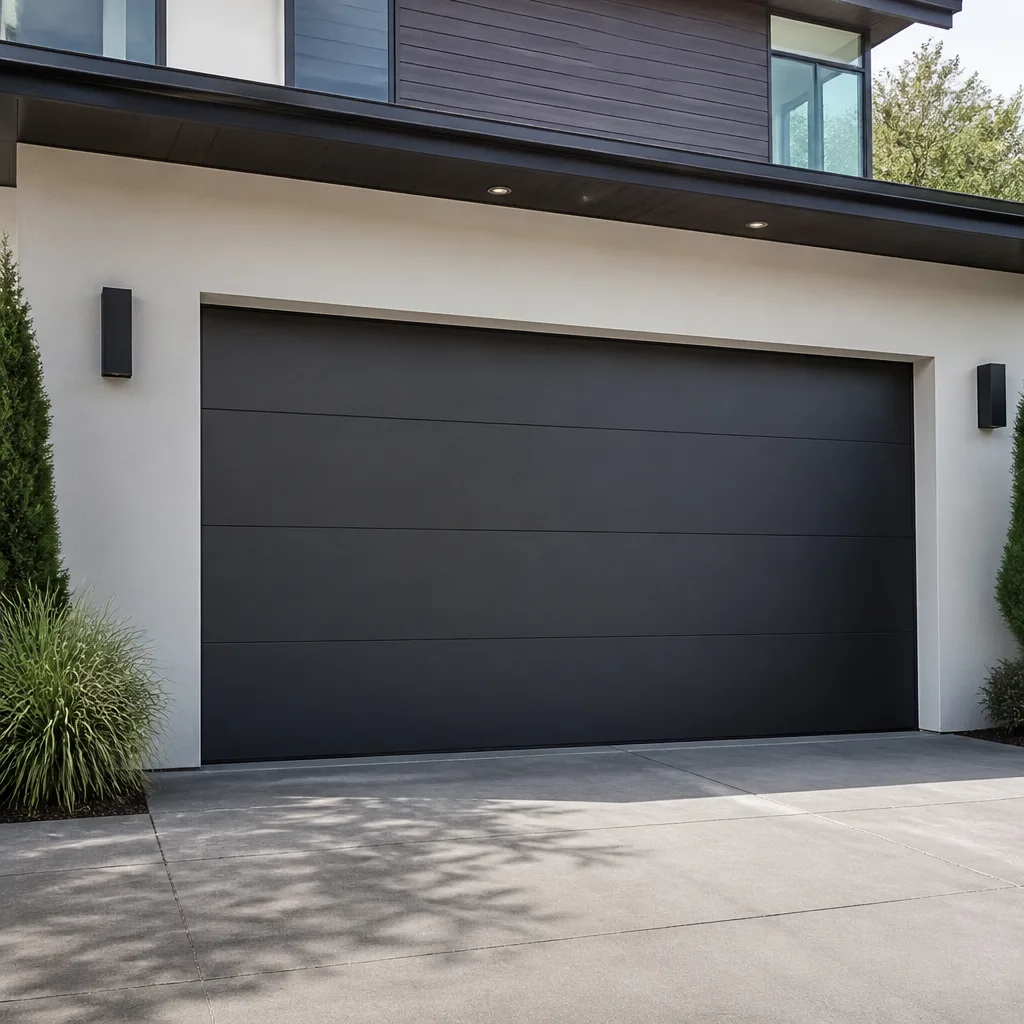 Modern flush
 Full-view glass
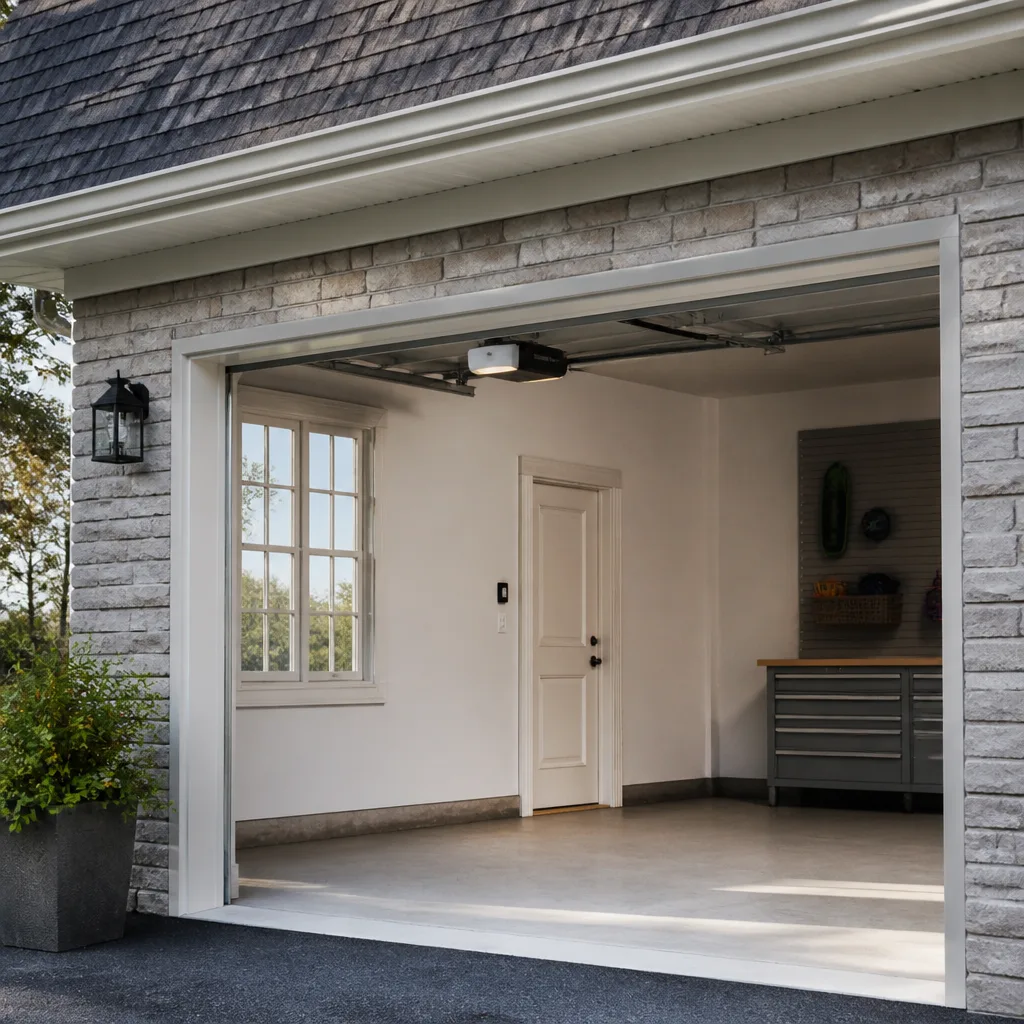 LiftMaster openers
 Chamberlain openers
Full 25-point door and opener safety check with every visit - springs, cables, rollers, tracks, and your LiftMaster or Chamberlain opener included
You get a price before we start. It does not change when the pro arrives.
Get your free estimateSeasonal Garage Door Care for Brockton: Year-Round Homeowner’s Guide
Most homeowners in Brockton brace for winter and forget the season that actually breaks doors. Cold snaps get blamed for every snapped spring, but the harder hits usually land in March and April. Metal that contracted through January and February is stressed by the time temperatures swing upward, and a spring already near the end of its duty life snaps under the rapid expansion of a Brockton thaw. The same pattern runs in summer, when humidity quietly warps wooden panels and rusts the hardware nobody looks at. This guide walks through a full year of care for the door and its opener, from a spring check to a pre-winter seal audit, so small maintenance stays small.
Quick Answer
Garage door care in Brockton works best on a four-season cycle: inspect and lubricate in fall before temperatures drop below 32°F, watch wooden panels for warping through the humid summer, and treat spring as the season to check springs and cables rather than trust them. The single highest-value habit is a fall lubrication and weatherstrip audit using a cold-rated lubricant, because a frozen or stiff door strains every component each time it runs. One seasonal walkaround, twice a year, is what keeps a minor fix from becoming a full spring or opener replacement.
Styles & brands we work with
- Raised-panel steel
- Carriage house
- Modern flush
- Full-view glass
- LiftMaster openers
- Chamberlain openers
Table of Contents
- Why Spring Is the Season Springs Fail in Brockton
- Summer Humidity and What It Does to Wooden Panels
- The Fall Lubrication Protocol
- The Pre-Winter Weatherstripping and Seal Audit
- Operating the Door During a Power Outage
- Year-Round Opener Care
- Knowing Your Door and Opener Brand
- Common Mistakes to Avoid
Why Spring Is the Season Springs Fail in Brockton
Spring is when torsion and extension springs break most often in Brockton, and the cold gets blamed for it. The real mechanics are thermal. Through January and February, the steel in a spring contracts and the door gets heavier to lift as the metal hardens. Then come the March and April temperature swings that rush through New England, and the same spring is hit with rapid expansion while under load. Steel that has thousands of cycles behind it doesn’t tolerate that shift well. A door that has been fine all winter can fail the first week the weather breaks.
There’s a second reason spring matters. It’s the first stretch of the year when homeowners start using the garage again in earnest, doing yard work, moving stored items, and cycling the door far more than they did in deep winter. More cycles on a stressed spring means more chances to break. You can’t stop thermal cycling, but you can look for the signs before they become a call.
What to check each spring
- Open and close the door a couple of times and listen. A loud bang, a grinding strain, or a door that lifts unevenly is a signal.
- Look at the springs without touching them. A visible gap in a torsion spring, or an extension spring that looks stretched or has a gap in its coil, means it’s done.
- Check the balance. Disconnect the opener and lift the door halfway. If it won’t hold there, the springs and cables need attention.
- Look for rust on the coil. Even light surface rust on a spring tells you moisture is getting in.
That last point tends to prompt a call to a technician, and it should. High-tension torsion springs are under the kind of stored force that injures people every year when they’re handled without the right tools. Don’t try to adjust or replace one yourself. When a spring does let go, our garage door repair handles it, and you can also reach the same team for a full picture of service on our Brockton page.
Summer Humidity and What It Does to Wooden Panels
Brockton summers are humid enough that a wooden garage door absorbs and releases moisture all season. Over a few years, that cycle does real damage. Panels can cup, bow, or split, and painted surfaces bubble as trapped moisture works its way out. Hardware installed into wood, like hinges and bracket screws, can loosen as the wood around it swells and shrinks. None of it happens overnight, but each summer adds a little more.
The sign to watch for is fit. A door that used to close flush now sits a little off, or the bottom edge catches on one side. Run your hand across the panel faces in June and again in August and feel for high and low spots. Cracks in the paint along a panel seam usually mean the wood underneath is moving. If your door is wood, a fresh coat of exterior-grade paint every few years slows this down more than anything else you can do. A wooden door in a humid climate asks for more upkeep than steel, but the upkeep pays for itself in the door not needing panel replacement.
Steel doors have a summer issue of their own. Rust collects where panels meet the hinges and along the bottom edge, and you’ll see it first as small brown flecks. Clean those areas and touch up the paint to stop it from spreading into the panel. This is also the season to test the opener’s sensors, since a door that binds in humid weather can trick the opener’s safety reverse into thinking it hit an obstacle. When the drive system itself acts up, our garage door opener repair covers it.
If you’re buying a new door soon, brands like Clopay and Amarr both offer moisture-resistant steel and composite options that hold up better to New England humidity than solid wood. That’s worth knowing before a warped wood door forces the decision.
The Fall Lubrication Protocol
The most important maintenance task of the year happens in fall, and it takes about fifteen minutes. Lubricate every moving contact point before the first hard freeze, and use a cold-rated product. Standard general-purpose and white lithium greases thicken as temperatures drop, and a stiff lubricant is almost as bad as no lubricant. A door that runs smoothly in October can strain in January if the wrong product was used in October.
Here’s the order that works:
- Use a lithium- or silicone-based lubricant rated for cold weather. Apply it to the hinges at each pivot point, both the top and bottom of each hinge.
- Lubricate the rollers, both the roller shaft where it meets the hinge and, on steel rollers, the bearing. Nylon rollers need less lubrication but still benefit from a light coat.
- Apply lubricant to the torsion springs and the bearing plates at the ends of the shaft. A spring that’s been greased runs quieter and holds off rust through winter.
- Wipe a thin coat along the tracks rather than spraying into them. Tracks collect grit when they’re coated too heavily, and that grit grinds rollers down.
- Do the same for the opener’s rail, chain, or belt. Chain drives especially want a cold-rated lubricant, and belt drives want it in the right spots only.
The rule of thumb: if it pivots, moves, or carries load, it gets lubricated in fall. Skip the motor housing and the interior of the opener unit, which aren’t meant to be opened. This one task, done every fall in Brockton, is what keeps a door cycling cleanly when the temperature drops.
The Pre-Winter Weatherstripping and Seal Audit
Before temperatures stay below freezing, walk the outside of the door with a flashlight. Brockton winters bring snow that piles against the door, and each freeze-thaw cycle lets moisture into any gap that hasn’t been sealed. The bottom seal, the rubber or vinyl strip along the bottom edge, is the most used and most ignored piece of weatherstripping on the door. A cracked, stiff, or missing bottom seal is water damage waiting to happen at the floor line.
Check these items before the cold settles in:
- Bottom seal. Look for cracks, tears, or a seal that’s come loose at one end. Run a hand along its length and feel for stiffness. A cold-stiff seal cracks within a season.
- Side and top weatherstripping. Check the strip along the jambs and header. It should be flat against the door when closed, with no gaps you can see light through.
- Threshold. The floor beneath the door wants to meet the bottom seal flush. A gap there is where snow-melt water and cold air get in.
- Panel joints. On wood doors, check the seams between panels for gaps that widen in winter as the wood contracts.
- Hardware and brackets. Tighten any loose hinge and bracket screws. Snug hardware holds up better when the door freezes shut against the floor.
The bottom seal replacement is one of the cheapest, most effective things you can do for a door. If your seal is older than a few winters and feels stiff, replace it before the freeze. The insulating value and the moisture protection both matter in Brockton.
Operating the Door During a Power Outage
When a winter storm knocks the power out, and one will at some point in most Brockton winters, your garage door is stuck where it is until you know the manual release. Every automatic opener has one: a red handle and cord hanging from the carriage that runs on the opener rail. Pulling that cord releases the door from the opener so you can lift it by hand.
The steps for a safe manual operation:
- Locate the red release cord before you need it. Do this now, in good conditions, so you know where it is and how it releases.
- Pull the cord down firmly to disengage the carriage. The door will not move until this happens.
- Lift the door by the handle at the bottom edge, using your legs. If the door is unusually heavy, stop. The springs may be failing, and a heavy door is a door to leave closed.
- Once the door is fully up, prop it or lock it if you have manual locks. Never leave a disengaged door partway open where it could drop.
- Reengage the opener only after the door is fully closed and the power is back on. Pulling the release again with the door in the wrong position can jam the carriage.
A caution that matters: if your door has a spring that’s broken or a door that runs heavy, don’t force it up by hand. The stored force in a working spring makes manual lifting easy, and a heavy door is the sign that something has failed. Leave it closed and call for help. We’re a garage-door-only specialist, and winter is when our Laurel Garage Door Repair phone line gets the most questions about stuck doors.
Year-Round Opener Care
The opener gets blamed for problems that start in the door, and the reverse happens too. Genie and LiftMaster openers are common in New England homes, and both are reliable when the door is balanced and the tracks are clear. The failure pattern we see most is an opener that’s struggling to force a door that binds. Before you replace the opener, rule out the door.
Basic opener care for every season:
- Test the safety reverse every month. Put a small box or a piece of wood flat on the floor in the door’s path and close the door. It should reverse on contact. If it doesn’t, stop using the opener until it’s fixed.
- Check the photo-eye sensors at the bottom of the tracks. They need to be aligned, clean, and unobstructed. Sunlight flashing across a sensor can trip it, and dirt on the lens can too.
- Lubricate the moving parts of the opener assembly, but not the motor. Chain and rail get a cold-rated lubricant; the housing stays closed.
- Check the balance of the door itself. A well-balanced door is nearly weightless when you lift it by hand, and that saves the opener the wear of forcing a heavy door.
- Listen for the opener running but the door not moving. That means the carriage or the drive has a problem that wants a specialist.
An opener that’s cycling fine but noisy, or one that’s slowing down, is usually a tired motor or a stretched chain. You can service the opener and the door together, which is the advantage of a trade that handles both. We work on the most common residential opener brands, from Genie to Chamberlain to Wayne Dalton door hardware, so you don’t get told your brand isn’t supported.
Knowing Your Door and Opener Brand
One simple piece of seasonal homework saves a lot of confusion: write down the make and model of your door and your opener and keep it near the panel on the wall. When a spring lets go in February, you’ll want that number on hand. The brands you’ll most often see on Brockton homes are Clopay and Amarr doors, LiftMaster and Chamberlain openers, and hardware assembled under names like Wayne Dalton and Craftsman. Each has quirks in how it’s serviced, and knowing yours points you to the right parts.
The practical benefit runs both ways. When you call for a repair, giving the brand and model lets us show up prepared rather than guess, and it avoids the common problem of a generalist contractor who can’t service a particular drive system. Garage doors and their openers are all we do, so the brand-specific details matter to us. Whether it’s a new opener on a LiftMaster rail or a spring replacement under a Clopay door, the goal is the right fix, not just a quick one. Our technicians have up to 12 years of experience across these systems.
Common Mistakes to Avoid
- Using the wrong lubricant. General-purpose grease thickens in Brockton’s cold and can jam a door that ran fine in fall. Use a cold-rated product every time.
- Ignoring the spring season. Homeowners check the door in winter and forget it in spring, which is the exact window when the metal is most stressed. Check springs in March and April.
- Forcing a binding door. Making the opener push through a door that binds overloads the motor and can snap a cable. Stop and find out why it binds.
- Replacing the bottom seal every decade instead of every few winters. A stiff seal is a draft and moisture problem. It’s cheap to fix and it protects the floor and the panels.
- Never testing the safety reverse. A door that won’t reverse on contact is a safety hazard, especially in a home with kids or pets. Test it monthly.
- Doing a spring or cable job yourself. Torsion and extension springs hold dangerous force, and a broken cable can whip. These are jobs for a trained specialist with the right tools.
- Assuming the opener is the problem. An opener that struggles is often just telling you the door is out of balance. Check the door first.
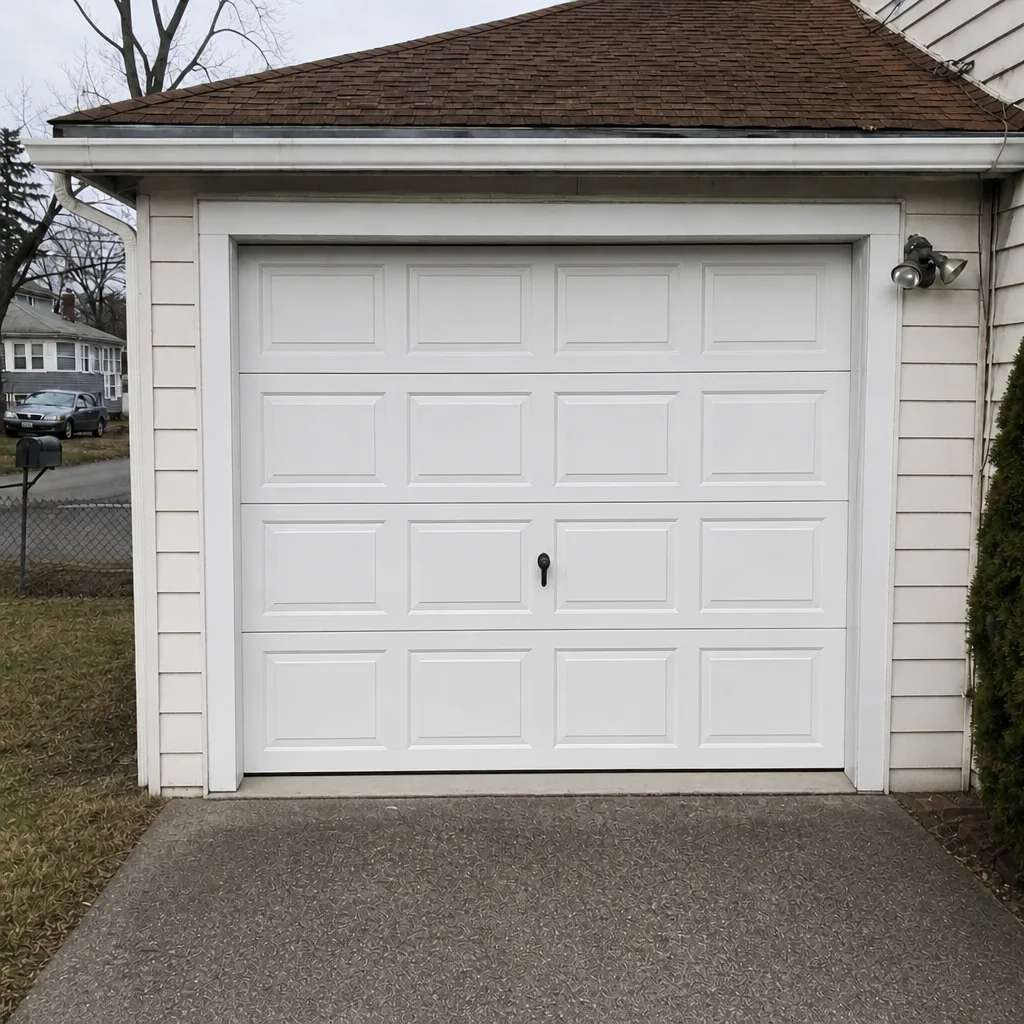
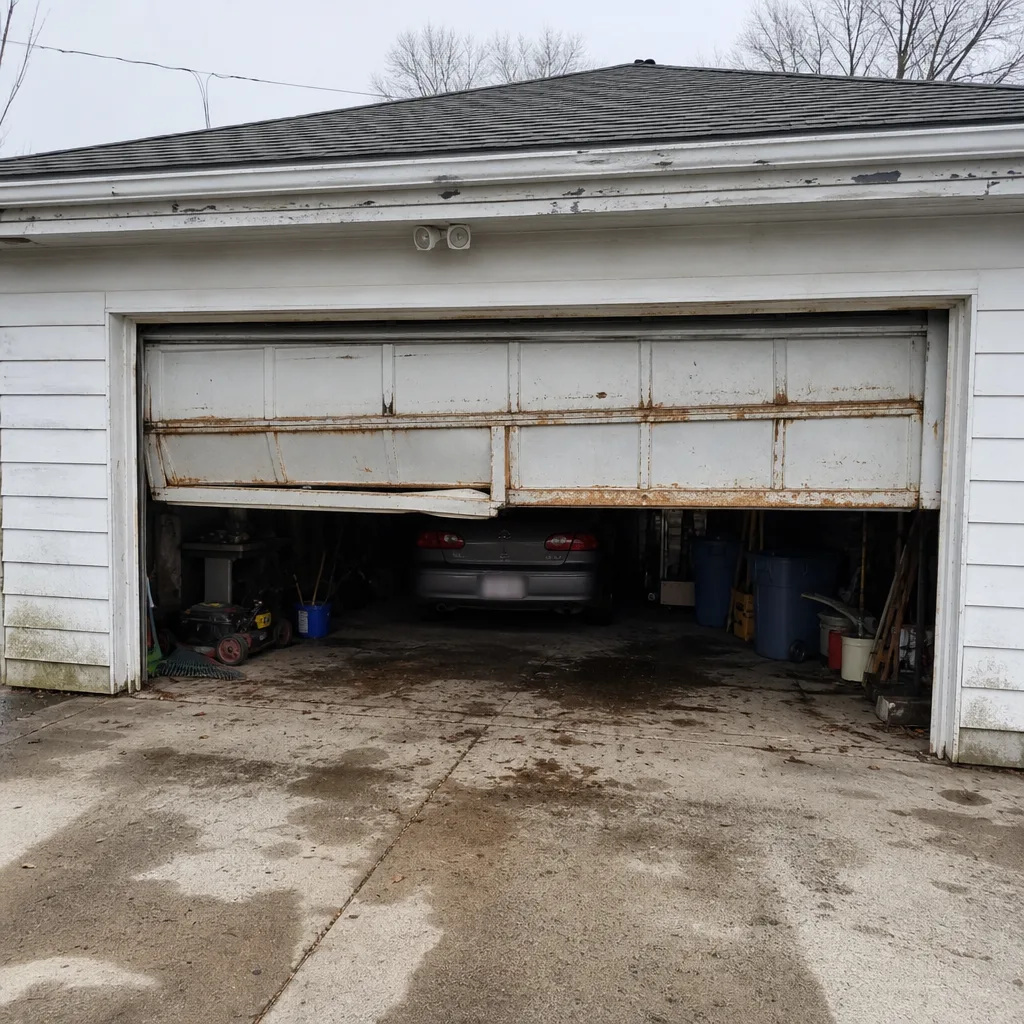
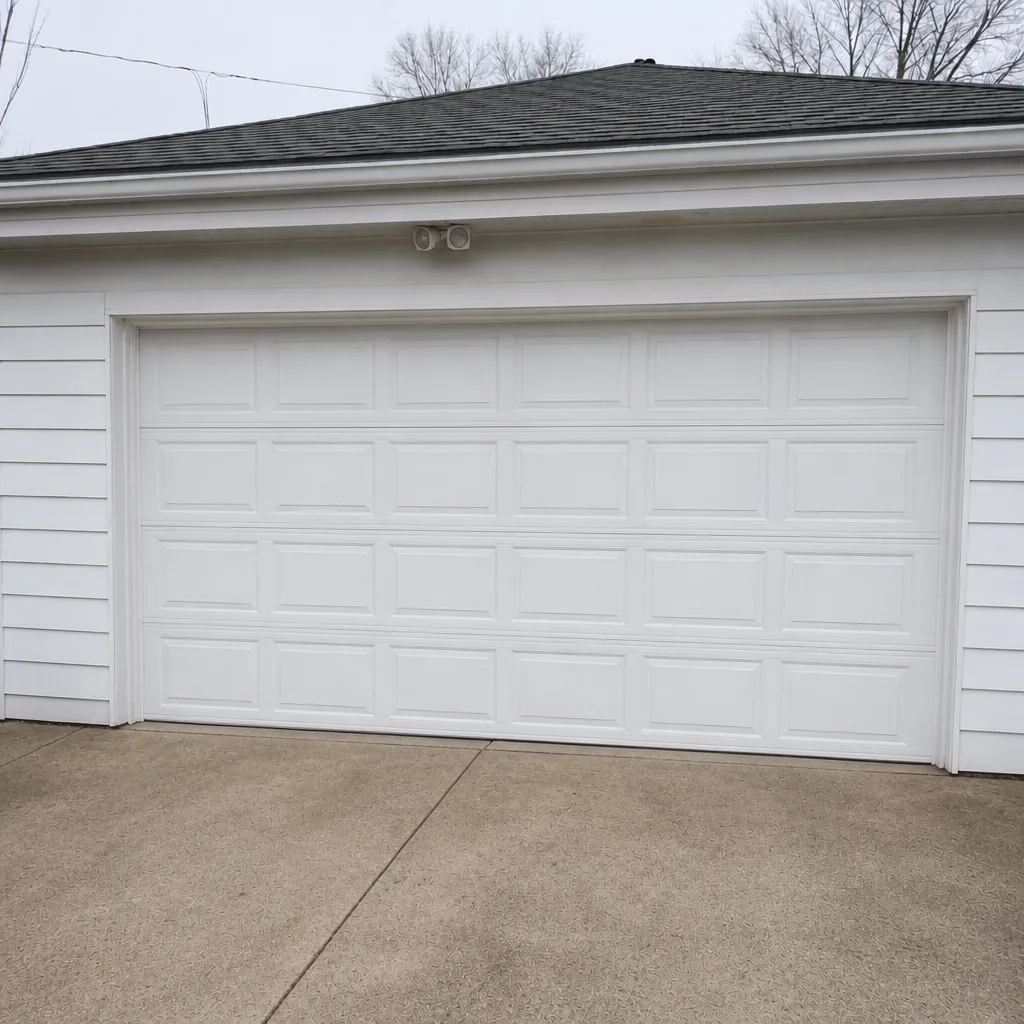
See the difference
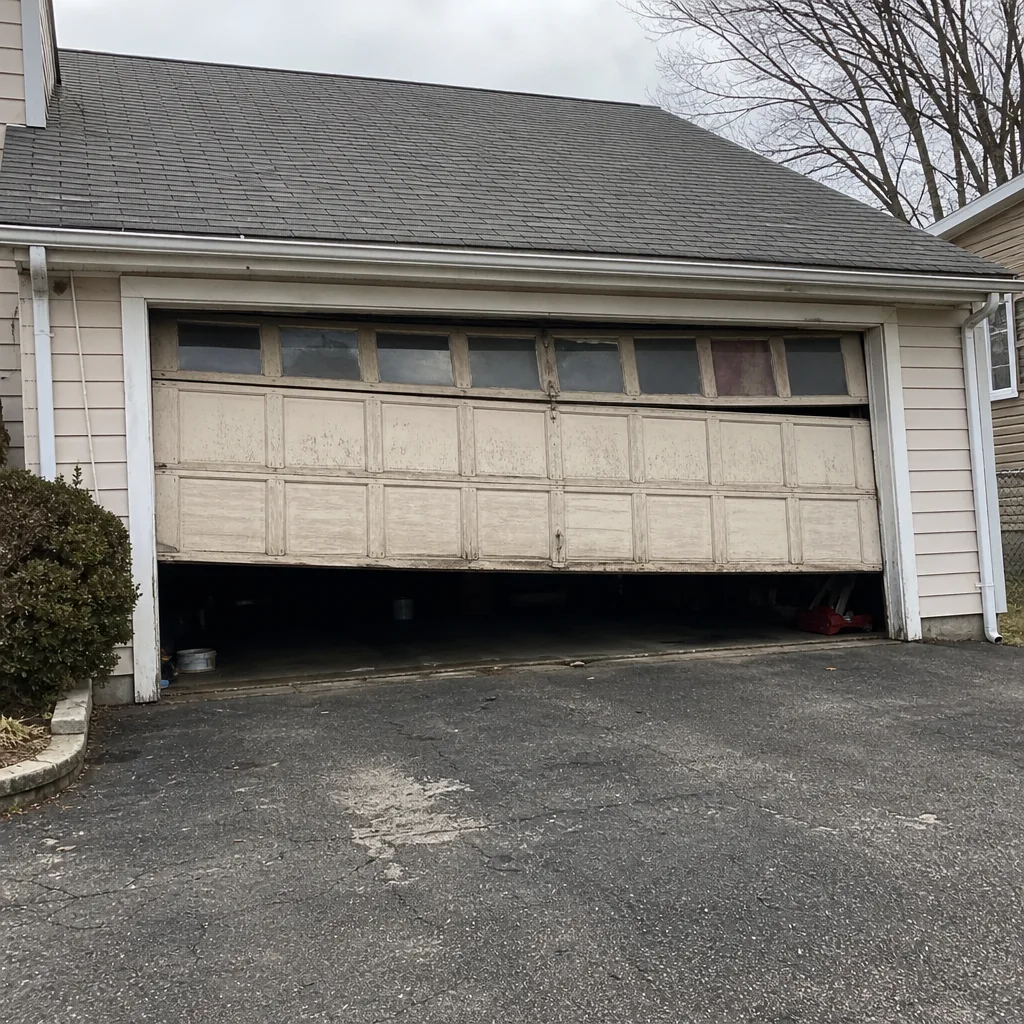 Before
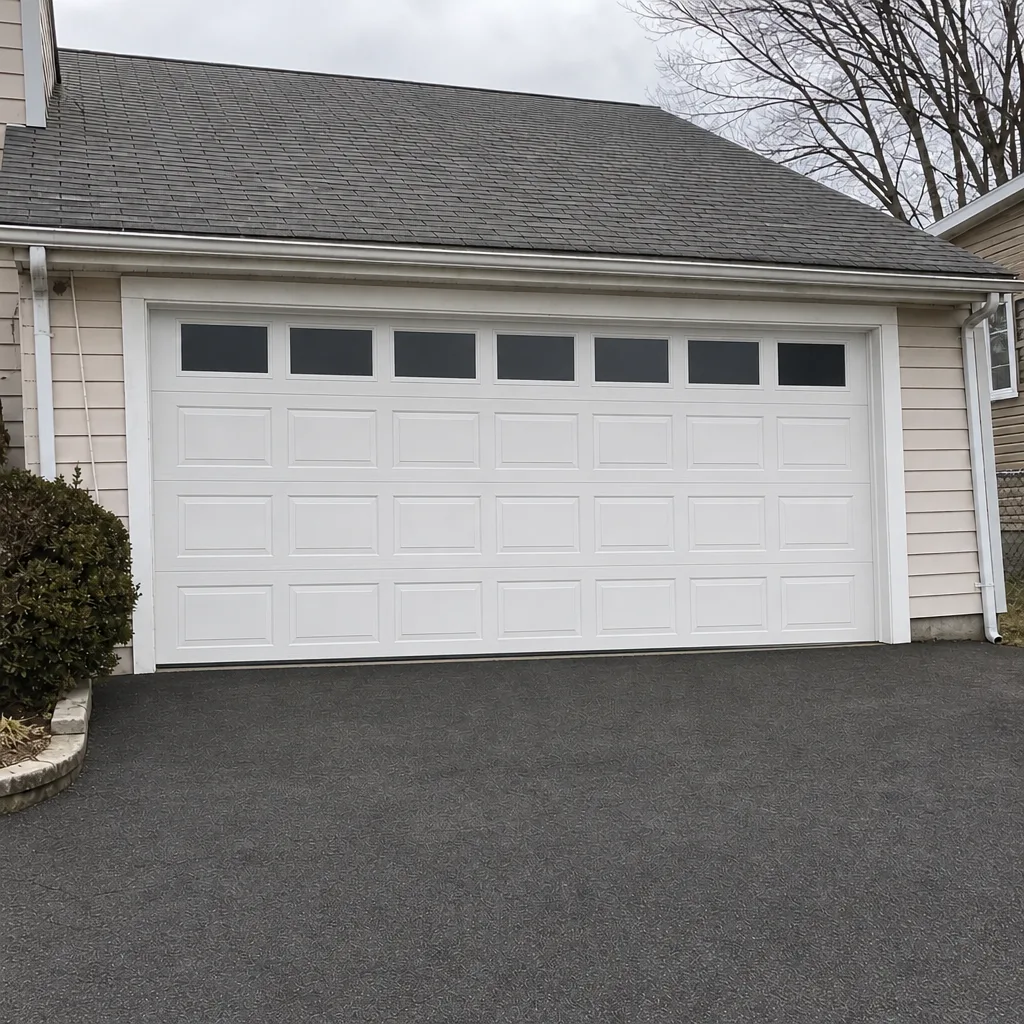 After
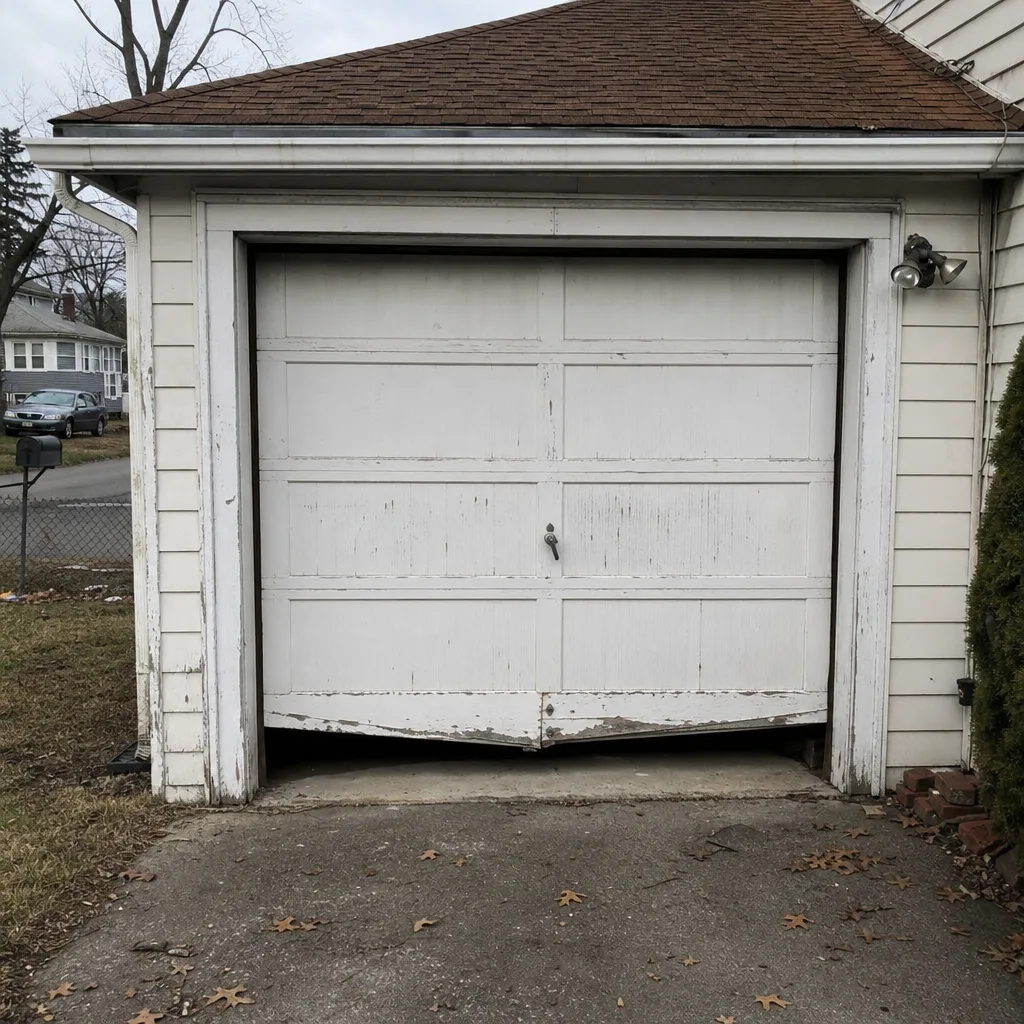 Before
 After
 Before
 After
When to Call a Professional
Call a specialist when a spring or cable has clearly broken, when the door hangs unevenly or won’t hold halfway, or when the opener runs but the door doesn’t move. Call if the door reverses for no reason, or if it won’t reverse at all, since that’s a safety issue. Call if you notice rust on a spring, a bent track, or a door that’s been hard to open for more than a few days. Weatherstripping and lubrication are things you can do yourself; anything involving springs, cables, tracks, or the opener’s internals is where a trained hand matters. Laurel Garage Door Repair offers free estimates in Brockton: call (844) 329-8773.
Frequently Asked Questions
A fall lubrication of every moving part with a cold-rated product, followed by a bottom-seal audit before the first freeze. Those two tasks protect the door from winter’s strain and keep snow-melt moisture out. They take about fifteen minutes and head off most of the wear that leads to bigger repairs.
Thermal expansion. Springs contract and harden through the cold months, then meet rapid expansion in the March and April thaws. Steel under load doesn’t handle that swing well, especially a spring with a lot of cycles behind it. It’s the expansion, not the cold alone, that does the damage. If your spring has let go, call (844) 329-8773 and we’ll schedule a repair.
Pull the red manual release cord hanging from the opener carriage, then lift the door by the bottom handle. If the door feels unusually heavy, stop and leave it closed; that’s a sign a spring has failed. Never leave a released door partway open. We answer 24/7 if you’re stuck.
Yes. Wood absorbs and releases moisture through the humid summer, which causes panels to cup, crack, or split over time. Watch for a door that stops closing flush or paint bubbling along the seams. A fresh coat of exterior paint every few years slows it down the most. Steel and composite doors hold up better in Brockton’s summers than solid wood.
A lithium- or silicone-based lubricant rated for cold weather. Standard white lithium and general-purpose grease thicken below freezing and can make the door strain. Apply it to hinges, rollers, springs, bearing plates, and the opener rail before temperatures drop below 32°F.
More often than not, the problem is in the door, not the opener. A door out of balance, a broken spring, or a jammed track will make the opener run without moving anything. Check the balance first, then the carriage. If it’s the drive system, our garage door opener repair covers Genie, LiftMaster, Chamberlain, and the other common brands. Call (844) 329-8773 for an exact quote, and estimates are free.
The Bottom Line
Garage door care in Brockton runs on a calendar, not a crisis. Lubricate in fall with a cold-rated product, audit your weatherstripping and bottom seal before the freeze, check springs in the spring when thermal stress peaks, and watch wooden panels through the humid summer. Know where your manual release is and how your door’s balance feels, so a winter outage or a snapped spring doesn’t catch you off guard. Those habits, done twice a year, are what keep a door running right. If something looks wrong, don’t wait for it to fail: call our team for a free estimate.
Call (844) 329-8773 today for a free estimate on any repair, opener service, or new door. We answer 24/7. Fast dispatch from 7am to 7pm, Sunday through Friday. Your door, running right, starts with a call.
Written by the team at Laurel Garage Door Repair.