
Last updated November 15, 2026
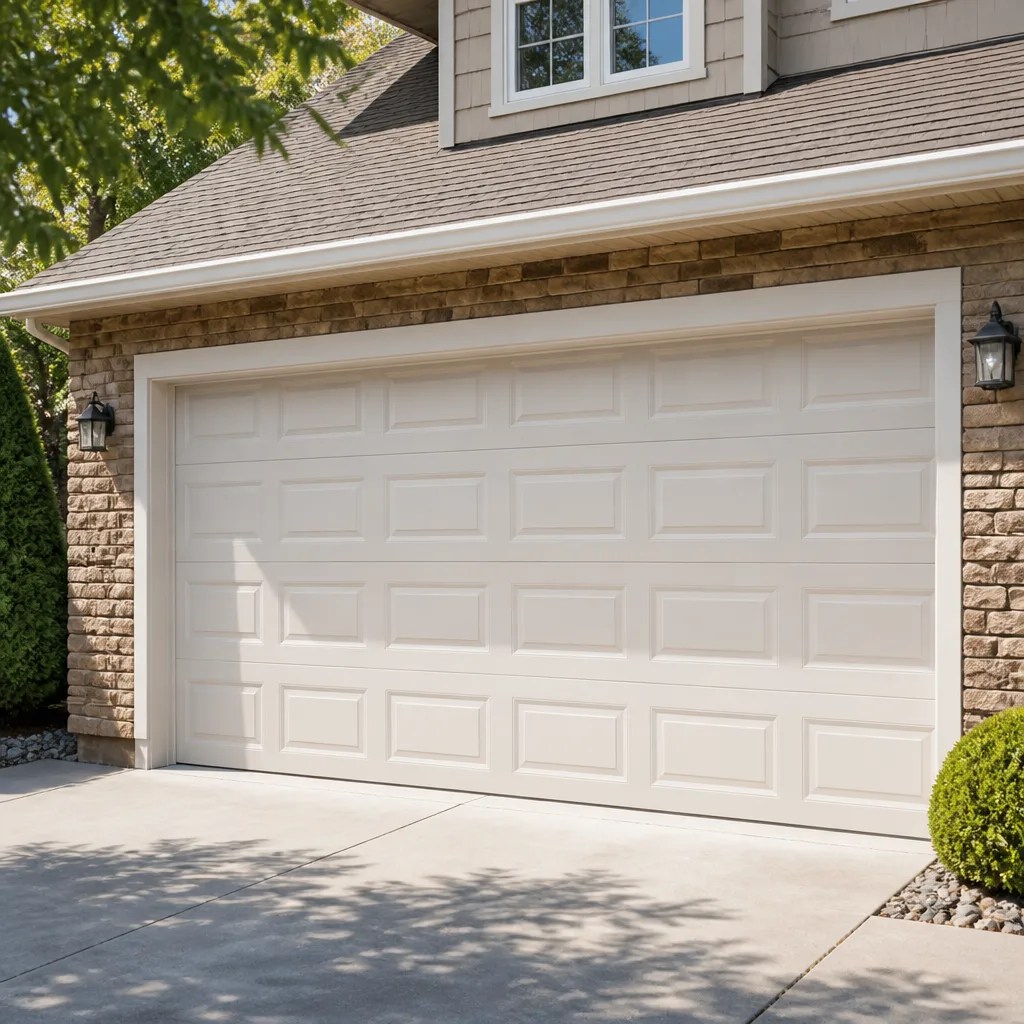 Raised-panel steel
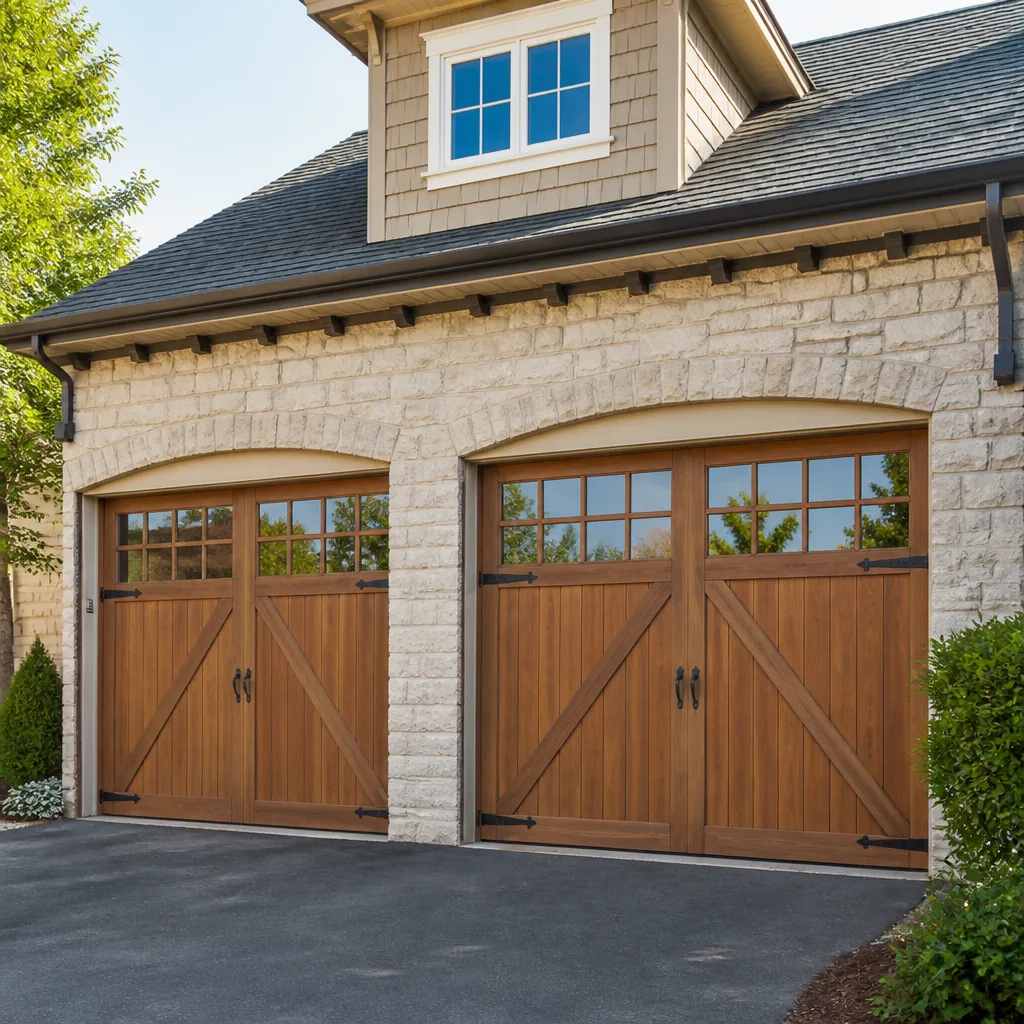 Carriage house
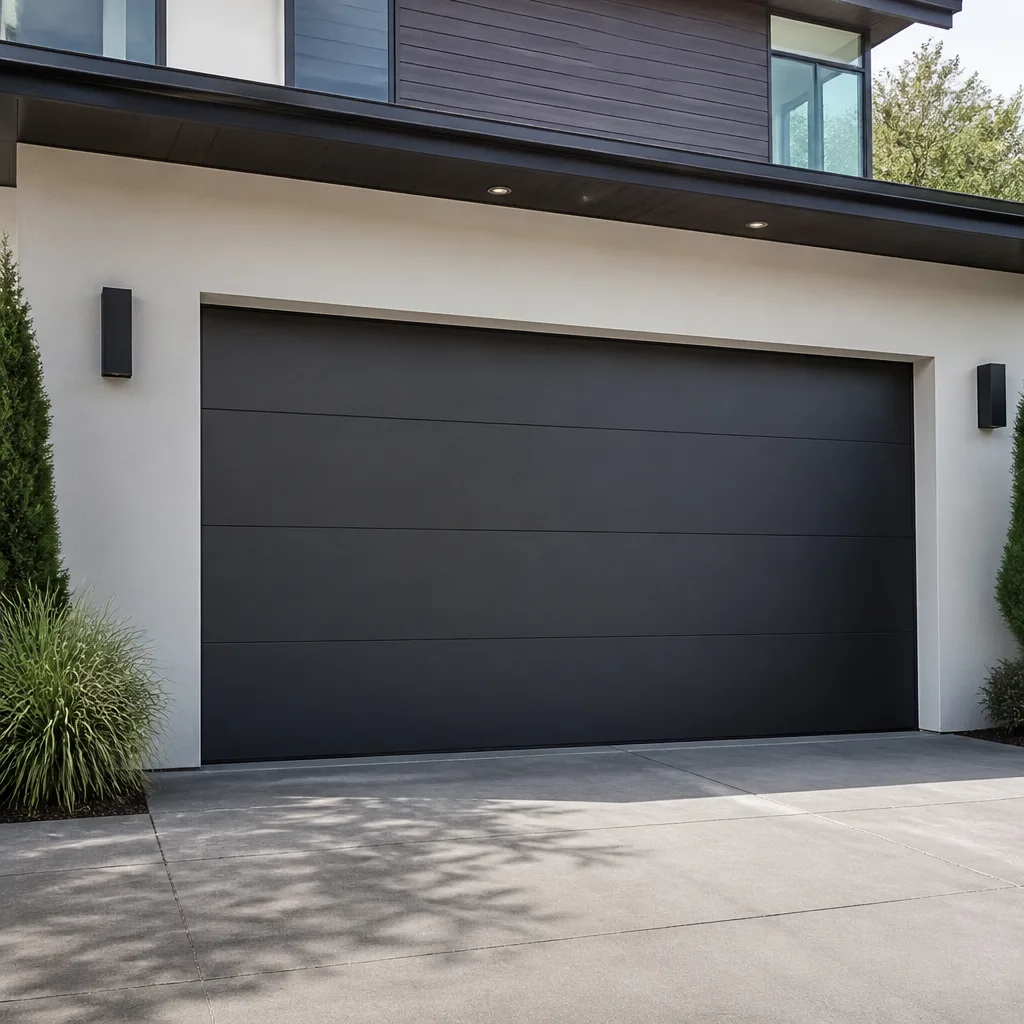 Modern flush
 Full-view glass
 LiftMaster openers
 Chamberlain openers
Full 25-point door and opener safety check with every visit - springs, cables, rollers, tracks, and your LiftMaster or Chamberlain opener included
You get a price before we start. It does not change when the pro arrives.
Get your free estimateGarage Door Warning Signs: A Brockton Homeowner’s Reference Guide
A garage door that hesitates for two seconds before it moves isn’t “just getting old.” That pause is a diagnostic signal, and it points to one of three components: the opener’s drive gear, a binding track, or a spring that’s lost tension. Two of those are inexpensive to correct now. The third turns into a dangerous, costly failure if you let it ride through another season. Most warning-sign guides hand you a list of obvious symptoms and stop there. This one connects each sound, movement pattern, and visual cue to the specific part that’s telling you something, so you know what to schedule and what to shut down. And it’s written for Brockton, where winter changes which failures are most likely.
Quick Answer
The warning signs that matter most on a garage door are hesitation before movement, a door that reverses on its own, uneven or jerky travel, visible cable fraying, and any bang or snap from the torsion hardware. Signs that allow a “schedule soon” response are slow movement, mild grinding, and a remote that works only up close. Signs that call for an immediate shutdown of the door are a snapped spring, a slack or broken cable, a door hanging crooked, and any loud bang followed by the door refusing to lift. When in doubt, stop operating the door and let a specialist look at it.
Styles & brands we work with
- Raised-panel steel
- Carriage house
- Modern flush
- Full-view glass
- LiftMaster openers
- Chamberlain openers
Table of Contents
- The Symptom-to-Component Diagnostic Map
- Schedule Soon vs. Shut It Down: Which Signs Are Which
- How Brockton Winters Mask Spring Wear
- A Monthly Visual Inspection You Can Do Without Touching a Component
- What Opener Behavior Tells You Before the Hardware Fails
- Why Brockton’s Housing Stock Produces Specific Failure Patterns
- Brand-Specific Warning Signs and Why We Work on Your Brand
- Repair or Replace? Reading the Signs Together
The Symptom-to-Component Diagnostic Map
Here’s the reference you’ll come back to. Each warning sign a homeowner notices maps to a narrow set of parts, and knowing which parts are involved tells you how fast to act. We’ve built this list from what we see across Brockton homes, and the pattern holds whether your door is a Clopay, an Amarr, or a Wayne Dalton.
- Hesitation before movement: opener drive gear, a track that’s out of alignment, or a spring that’s lost tension. The opener motor is working but something downstream is resisting it.
- A single loud bang from above the door: a torsion spring has snapped. Stop operating the door immediately.
- Grinding or scraping as the door travels: worn rollers, a dry or misaligned track, or a torsion drum that’s letting the cable slip.
- A rhythmic thumping: a bent panel, a loose hinge, or a roller that’s come out of its track.
- The door reverses before it closes: the safety sensors or the opener’s travel limits, not usually a mechanical part. But if it reverses only under load, suspect the spring.
- A visible kink or fray in the cable: the cable is failing. Stop operating the door and call for service.
- The door hangs crooked: one of the two springs or cables has failed while the other is still carrying load. This is a shutdown sign.
- A humming opener that doesn’t move the door: a stripped drive gear or a broken drive chain, the opener and the door are disconnected from each other.
Read that list twice. The difference between a $200-ish fix and a much larger repair often comes down to how early you caught the sign, not how bad the sign was. If you’d rather have the door itself looked at, garage door repair is where that conversation starts.
Schedule Soon vs. Shut It Down: Which Signs Are Which
The most useful habit a homeowner can build is sorting warning signs into two piles: things that need a service visit scheduled, and things that mean the door shouldn’t be used again until it’s looked at. Confusing these two piles is how a manageable repair turns into a dangerous one.
Signs that allow you to schedule soon
- Slow movement, especially a door that seems to take longer year over year.
- Mild grinding or squeaking that worsens over weeks rather than appearing overnight.
- A remote that only works when you’re close to the door.
- An opener light that flickers or a safety sensor that needs to be re-aimed.
- One panel that looks slightly out of line with its neighbor.
These are worth a call in the near term, not a panic. They signal wear, not imminent failure.
Signs that require an immediate shutdown
- Any loud bang or snap from the torsion bar area.
- A cable that looks frayed, kinked, or has come off its drum.
- A door that hangs unevenly, with one side lower than the other.
- A door that comes down faster than it should, or won’t stay up.
- Visible separation at a hinge, panel, or the bottom bracket.
When one of these appears, the safest move is to stop using the door and keep vehicles and people clear of it. Torsion springs and cables are under extreme tension, and they are not a component a homeowner should touch. If you’re unsure which pile a sign belongs to, err toward shutdown and get an expert eye on it. We answer 24/7 at (844) 329-8773.
How Brockton Winters Mask Spring Wear
This is the section worth reading twice if you live in Brockton. A door that runs perfectly in October can fail dangerously in January, and the reason has nothing to do with the door getting worse. It’s the season hiding the wear.
Torsion springs are steel coils that hold the entire weight of the door. Cold tightens that steel. The contraction is small, but it changes the load every cycle puts on the spring, and it stiffens the grease and rollers along the track at the same time. A spring that’s already near the end of its life may still lift the door in mild weather. Add a Brockton freeze and the same spring is doing a harder job with less slack to give.
What masks the wear is that the door keeps working, right up until it doesn’t. There’s no slow-motion warning in January the way there is in summer, because everything is stiff. So homeowners read a heavy door in winter as “cold weather,” not “failing spring.” The signs that actually predict a winter failure usually show up back in the fall:
- The door feels heavier by hand than it did the year before.
- The opener works harder, with a longer hesitation before the door lifts.
- You’ve had to increase the opener’s force setting (often a symptom, not a fix).
- There’s a gap or stretch difference you can see where the spring coils sit.
If any of those sound familiar in October, that’s the moment to have the springs checked, not the week they finally let go in a Brockton January. If you’re already there, a call to Laurel Garage Door Repair gets you a free estimate and a clear read on what’s actually worn.
A Monthly Visual Inspection You Can Do Without Touching a Component
You don’t need tools or training to catch most early failures. You need five minutes and the discipline to look, not touch. Here’s the routine we suggest to Brockton homeowners, and it’s safe to repeat every month.
- Look at the cables. From a few feet back, with the door closed, check the cables that run down each side. You’re looking for kinks, fraying, or a cable that sits unevenly on its drum at the top corners. Don’t reach in and adjust anything.
- Look at the drums. The metal spools at each top corner should hold the cable neatly and evenly. A cable that’s jumped the drum or is bunching in one spot is a shutdown sign.
- Look at the springs. From the floor, you can see whether both torsion springs look the same. A visible gap in a coil, or one spring that looks stretched compared to its neighbor, means it’s time for a professional look.
- Look at the rollers and hinges. Rollers should sit in the track and look round, not flat-spotted. Hinges should be tight, not wobbling.
- Look at the panels. Stand back and check the door hangs level. A crooked door is a sign one side has failed.
- Listen, don’t force. Open and close the door once and listen. New grinding, pops, or scrapes are worth noting. Don’t keep cycling the door to “see if it does it again.”
The rule is simple: look, listen, and note. Cables, drums, springs, and the bottom bracket are under tension and should only be handled by a trained technician. If something you see worries you, stop using the door and call. We answer 24/7.
What Opener Behavior Tells You Before the Hardware Fails
The opener is often the first part of the system to tell you something’s wrong, and homeowners routinely misread it as an opener problem. In our experience, an opener that’s behaving oddly is usually reporting on the door it’s pushing. That’s why we treat opener work as its own discipline rather than an afterthought, and it’s why garage door opener repair starts with the door, not the box on the ceiling.
Hesitation
If the opener pauses before the door moves, something is resisting. That resistance is usually a binding track or a spring losing tension. If you respond by turning up the opener’s force setting, you’re asking the motor to push through a problem it was designed to detect, not to overpower.
Reversal
A door that reverses while closing is usually the safety sensors, not the door. Look for an obstruction, dirt on the sensor lenses, or a sensor that’s been bumped out of alignment. But if the door reverses only near the bottom of travel, or reverses under load, suspect the spring or a cable issue instead.
Error codes and blinking lights
Most modern openers use light patterns to report problems, and the meaning varies by brand. A Genie, a LiftMaster, and a Chamberlain can blink differently for the same underlying fault. We work on those brands routinely, along with Craftsman, Raynor, and others, so diagnosing the light pattern is a fast read rather than a guess.
A humming motor with no movement
This is almost always a stripped drive gear or a broken drive chain. The motor runs; the connection to the door doesn’t. It’s a repairable opener problem, not a reason to replace the entire opener.
Reading opener behavior early is the cheapest warning system you have. A slow, grinding opener in October is telling you something before the hardware fails outright.
Why Brockton’s Housing Stock Produces Specific Failure Patterns
Brockton’s mix of older and newer homes produces distinct garage door wear patterns, and knowing which one you’re in helps you read the signs. Homes on the older side, in neighborhoods closer to the city center, often have original or decades-old doors and openers still in service. Those tend to show wear in the springs, cables, and rollers first.
Newer construction around the edges of Brockton more often runs on newer openers, which fail in a different pattern: drive gears, safety sensors, and circuit boards rather than cable. Homes with attached garages under the main living space also tend to get more cycles per day than a detached garage on a longer driveway. More cycles equal faster spring wear, and spring wear is the most consequential thing on the door.
Older doors on older homes also tend to have less margin. A door that was once well-tuned may have had the track adjusted a few times over the years, leaving less give. That makes the subtle signs more important, because the door has less slack to absorb the last season before failure. None of this means an older door is unsafe. It means the early signals deserve more attention than a newer door’s.
Brand-Specific Warning Signs and Why We Work on Your Brand
One of the most common frustrations homeowners share is being told their brand “isn’t supported.” That’s rare for us. Garage doors are all we do, and we work on the equipment already in homes across Brockton. Our technicians have up to 12 years of experience with the major residential brands, so the diagnostic read on your door doesn’t stop at the brand label.
A few brand-specific things to watch for as part of your monthly inspection:
- Genie openers: watch for the safety sensor indicator and the light code before the door stops responding. Genie units often report an obstruction before failing outright.
- Clopay doors: panel joints and bottom brackets are worth a look, especially after a hard winter. Panel separation is often the first sign the spring tension has drifted.
- Amarr doors: hinge wear and roller flat-spotting show up here as a rhythmic thump, which is a scheduling sign rather than a shutdown sign.
- Wayne Dalton doors: track alignment is worth checking each season, because a slightly out-of-line track produces the hesitation pattern we covered above.
We also work on LiftMaster, Chamberlain, Craftsman, and Raynor equipment, so if your system isn’t covered above, it likely falls under one we handle routinely. From the panels to the opener, it’s one call and one specialist. If you want to check your door’s condition without committing to a repair, we offer a free estimate.
Repair or Replace? Reading the Signs Together
No single sign answers the repair-or-replace question. The answer comes from reading several signs together, and in our experience, the pattern matters more than any one symptom.
Consider repair first if:
- The door itself is in good condition and only the springs, cables, or opener need work.
- The panels are intact and the frame is sound.
- The failure is isolated to one component, not several at once.
Consider replacing the door if:
- Multiple components are failing in the same year, which suggests end-of-life overall.
- Panels are cracked, separating, or no longer holding their line.
- The opener has failed alongside the door’s mechanical parts.
The right fix, not just a quick fix, is the goal here. If the door is sound and one spring has failed, replacing the spring is the correct answer. If a Brockton home’s door is showing several signs at once, a replacement conversation makes more sense. A free estimate is the honest way to find out which side you’re on, and we don’t recommend work you don’t need.
Common Mistakes to Avoid
- Turning up the opener’s force setting to hide a heavy door. That setting asks the motor to push through a problem, and it often accelerates the failure. The force setting is a symptom, not a fix.
- Using the door after a bang or snap. A snapped spring leaves the door unsupported, and operating it can bend panels or drop the door. Stop using the door and call.
- Watching the door operate from a single spot. Walk both sides and look from the floor. Cables and drums are often visible from one side and not the other.
- Assuming a stiff door in a Brockton January is “just the cold.” Cold makes a failing spring fail. If the door is heavier than it was last season, that’s the sign, not the weather.
- Skipping the inspection because nothing is broken. The whole point of the monthly check is that the signs show up before the break.
- Hiring a generalist for a specialist’s job. A garage door is a tensioned mechanical system, not a handyman task. A trade specialist reads the sign correctly the first time.
- Letting a slow response become a shutdown scenario. A scheduling sign handled early stays a scheduling sign. Left alone through a winter, it can become a shutdown sign.
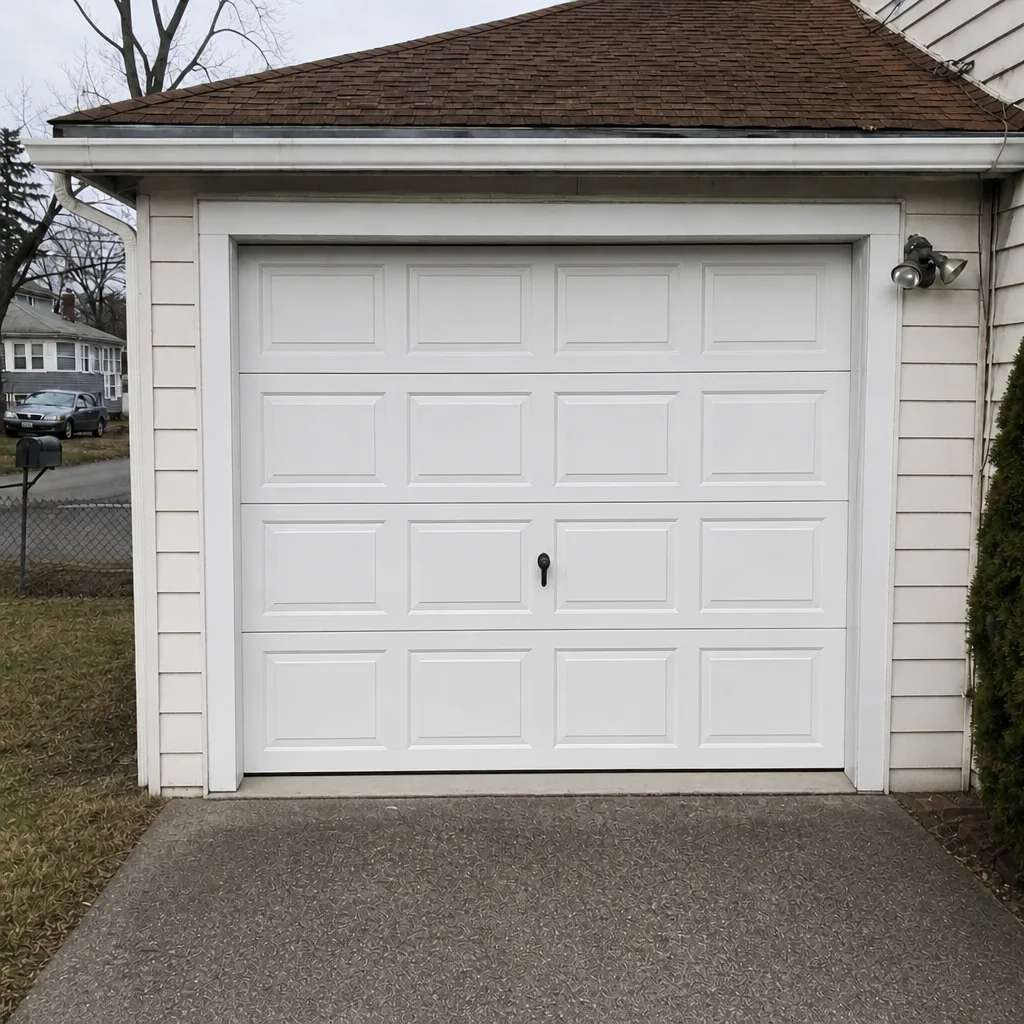
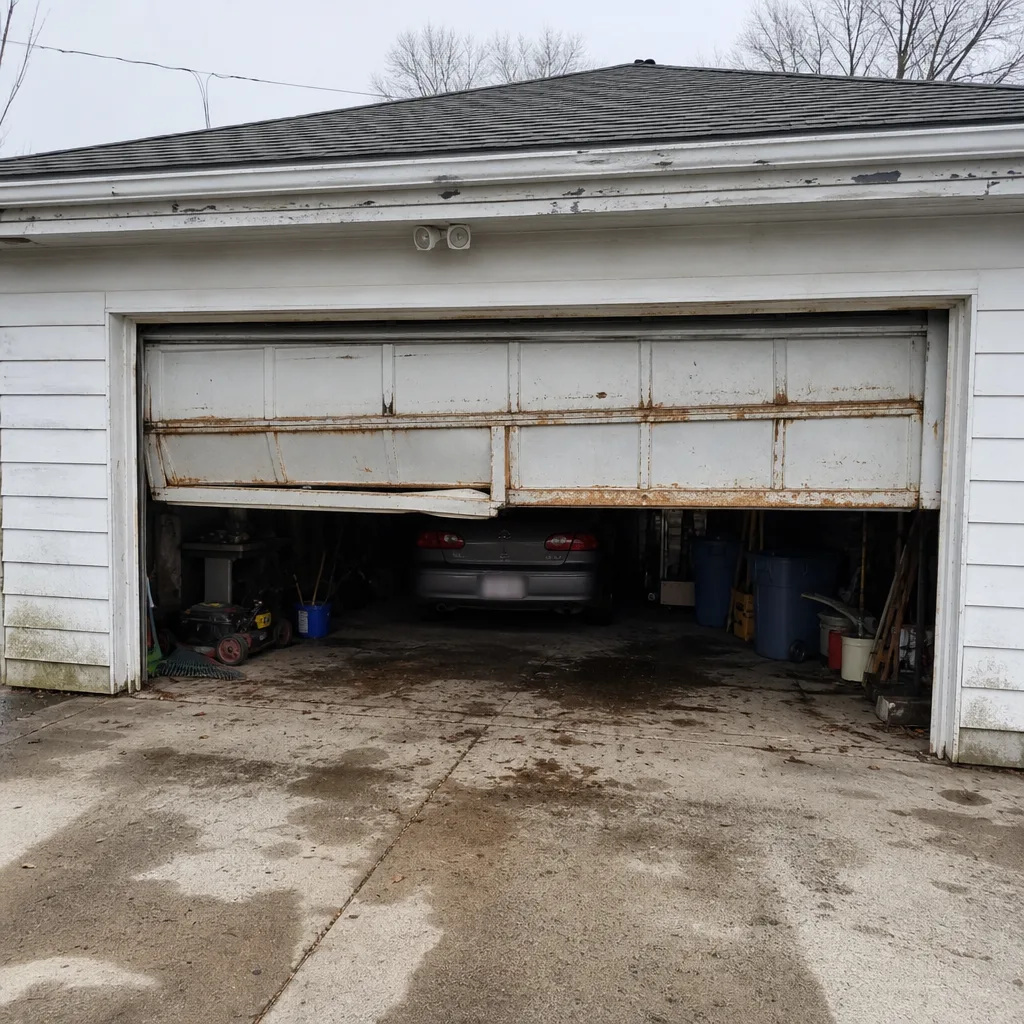
See the difference
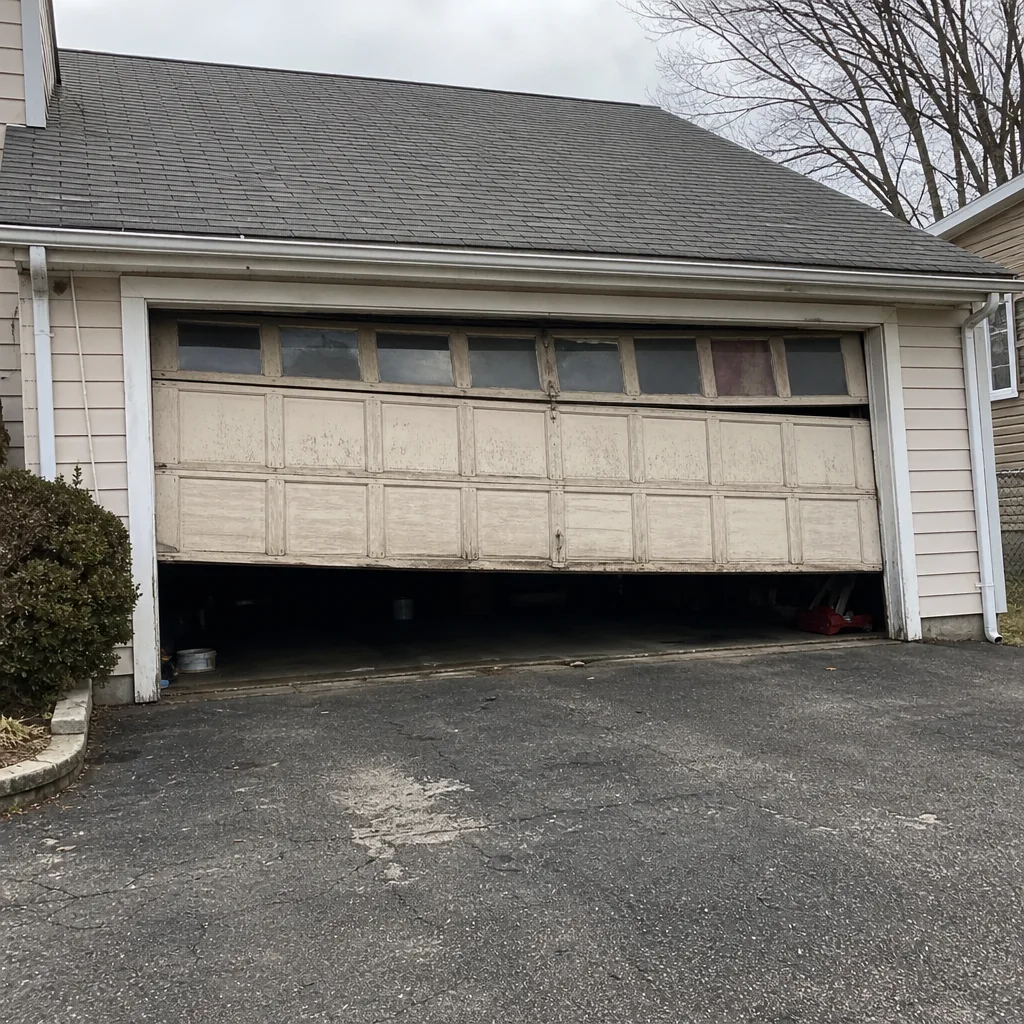 Before
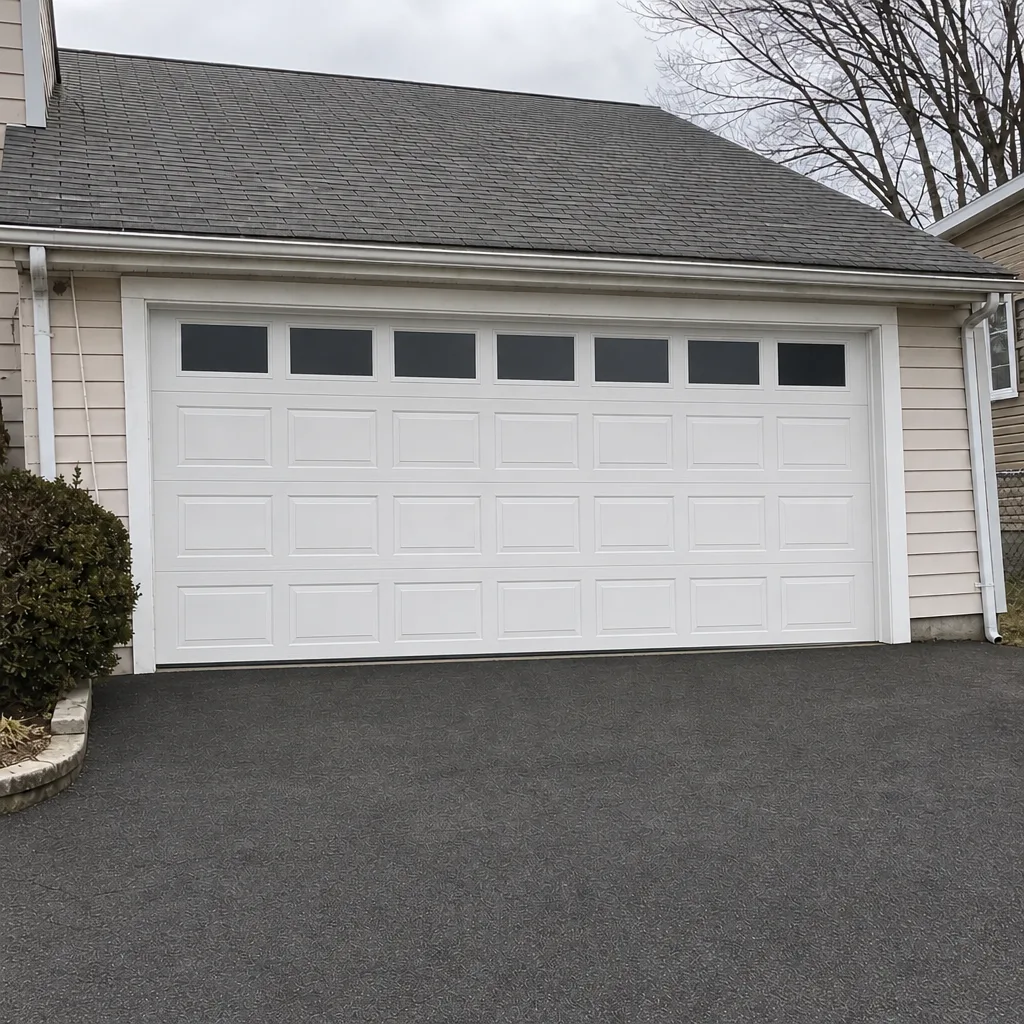 After
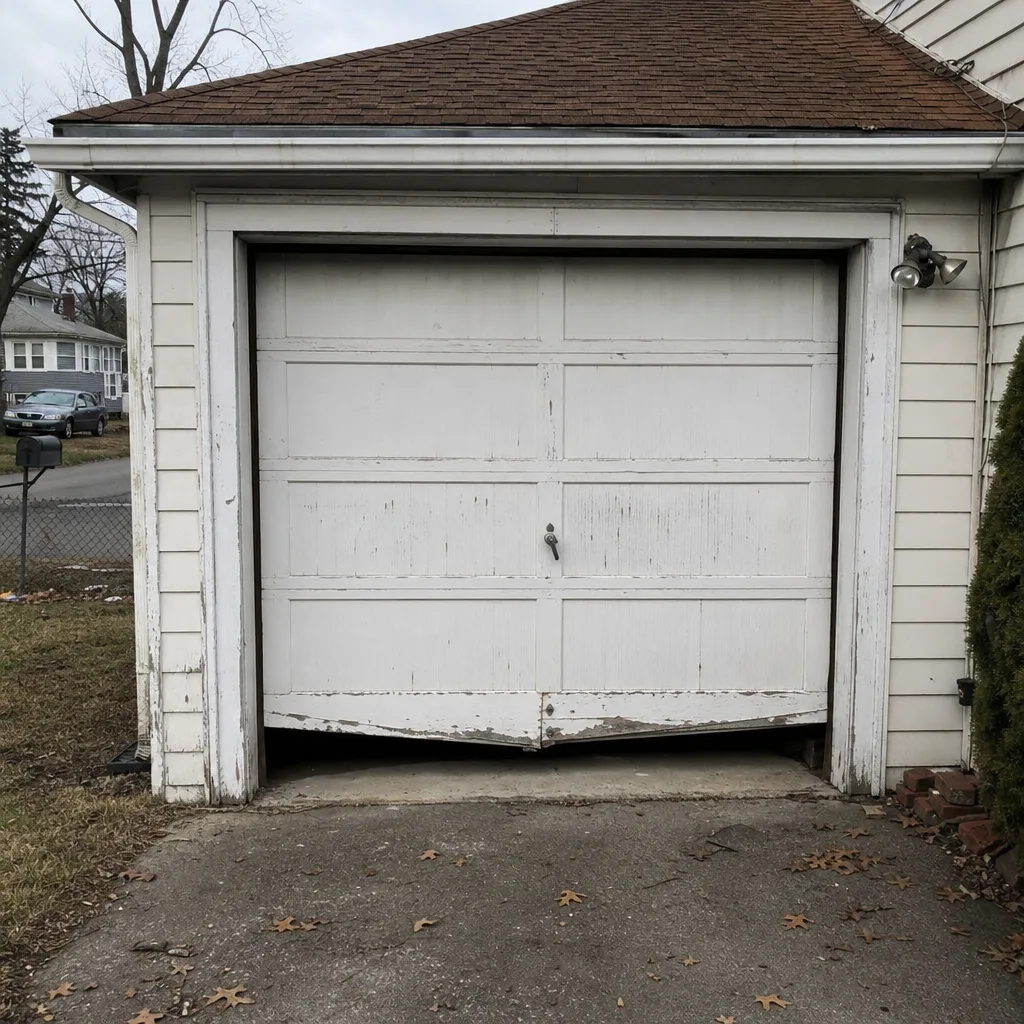 Before
 After
 Before
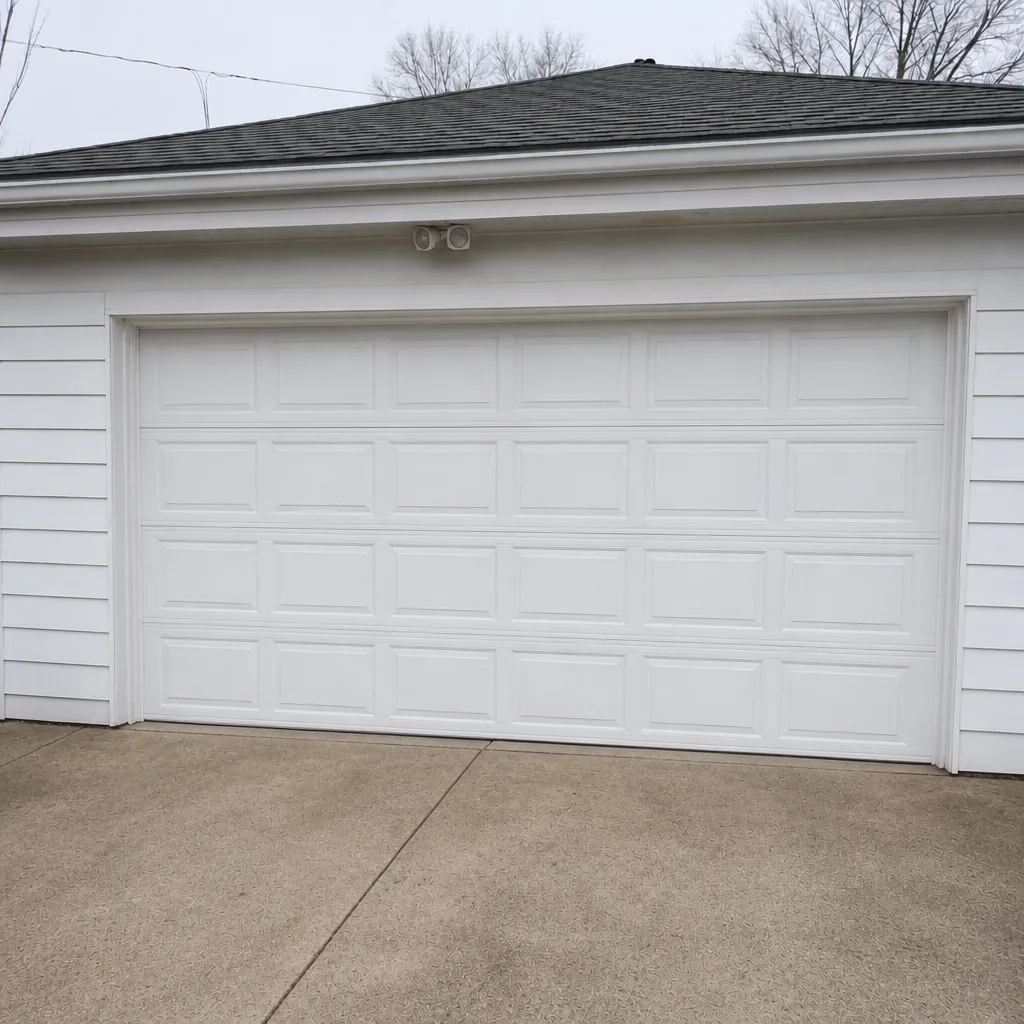 After
When to Call a Professional
Call a professional when a loud bang or snap comes from the torsion hardware, when a cable is kinked or frayed, when the door hangs unevenly, or when the door reverses or won’t stay up. Those are shutdown signs, and they mean the door shouldn’t be operated until a technician has looked at it. Also call when the door is simply heavier than it used to be, or the opener is hesitating more than it did last season. Those are scheduling signs that keep a smaller repair from becoming a larger one. Laurel Garage Door Repair offers free estimates in Brockton; call (844) 329-8773. We answer 24/7, with fast dispatch from 7am to 7pm, Sunday through Friday.
Frequently Asked Questions
A loud bang or snap from the torsion spring area is the single most important warning sign, because it means a spring has failed and the door is no longer supported. Stop operating the door and call for service. Any sign that points to the spring should be treated as a shutdown sign rather than a scheduling sign.
Slow movement, grinding, and a weak remote are scheduling signs, meaning the door can still be used until the repair is scheduled. A snapped spring, slack or frayed cable, crooked door, or a door that won’t stay up are shutdown signs, and the door should not be used until a technician has seen it. If you’re unsure which category a sign falls into, treat it as a shutdown sign and call (844) 329-8773.
Cold tightens the torsion spring and stiffens grease and rollers, so a spring nearing the end of its life that still lifts the door in mild weather can fail once Brockton’s winter arrives. The wear isn’t getting worse, it’s being hidden. The signs that predict the January failure typically show up in the fall: a door that feels heavier, a longer hesitation from the opener, and a force setting you’ve had to increase.
Yes, a visual inspection is safe and worth doing monthly. Look at the cables, drums, springs, rollers, hinges, and panels from a few feet back, then open and close the door once and listen for new sounds. Do not touch or adjust cables, springs, drums, or the bottom bracket, as those components are under extreme tension. If something looks off, stop using the door and call.
Hesitation points to a drive gear, a binding track, or a spring losing tension. It means something downstream is resisting the motor, and the right response is to have the cause diagnosed rather than increasing the opener’s force setting. Call (844) 329-8773 for a free estimate.
Very likely, yes. We work on LiftMaster, Chamberlain, Genie, Clopay, Amarr, Wayne Dalton, Craftsman, and Raynor equipment, covering the brands on most residential doors in the field. Our technicians have up to 12 years of experience with this equipment, so brand familiarity isn’t a barrier to the work.
The Bottom Line
The signs that predict the most expensive garage door failures are the quiet ones: hesitation, a heavier door, a force setting you’ve nudged upward. Read each sign against the component it points to, and sort it into a scheduling sign or a shutdown sign. In Brockton, watch the fall signs closely, because winter tends to hide the spring wear rather than reveal it. Do the monthly visual pass, keep your hands off cables, drums, and springs, and call when a shutdown sign appears. A door with the right fix now runs right for years, and it’s the cheapest habit you can build.
Written by the team at Laurel Garage Door Repair.